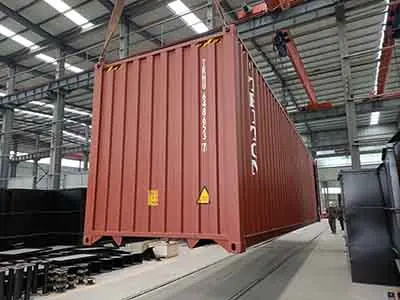


Fuel Tank
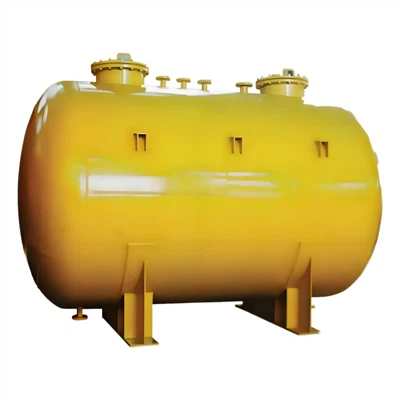
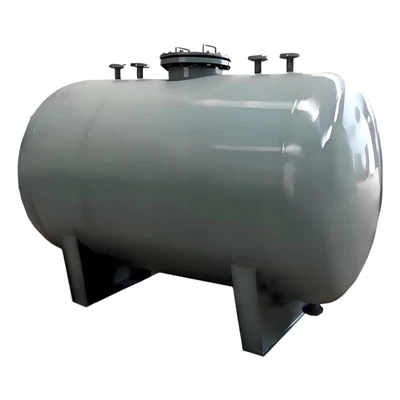
Shandong Tengxing New Energy Technology Co., Ltd. is a comprehensive enterprise specializing in the research, development, design, production, installation, and maintenance of specialized equipment, with a particular focus on various types of oil storage containers such as mobile fuel stations, self bunded fuel tanks, container fuel stations, ISO tank containers, above-ground fuel storage tanks, and underground fuel storage tanks. Since its establishment, our company has been at the forefront of fuel tank development, continuously launching well-designed, innovative and unique products to meet the increasingly complex and evolving needs of the market. In a fiercely competitive business environment, we have won wide praise and unwavering support from our customers with our unparalleled product quality and excellent service standards.





Why Choose Us
Professional Team
Our company covers an area of 18,000 square meters, has a professional team of 108 professionals, and has its own technical department, production department, administrative office, quality inspection department and financial department.
High Quality
Our company is committed to strictly controlling product quality from multiple levels. We have successively obtained ISO and UL142 certifications, and hold a special equipment production license and multiple patent certificates.
One-Stop Solution
With our strong technical expertise, advanced production technology and excellent after-sales service, we are committed to providing customers with tailor-made, comprehensive one-stop solutions to meet the diverse needs of customers.
Production Market
Our company has expanded its global footprint by exporting to over 30 nations, including Saudi Arabia, Oman, Singapore, Malaysia, Congo, Cameroon, Ghana, Mauritius, Botswana, Zimbabwe, South Africa, Tanzania and so on.
Advantages of fuel tank
Fuel availability and convenience
Having a ready supply of fuel on hand at all times is one of the main advantages of fuel tanks. This removes the need for refuelling visits for machinery or cars, saving time and money. A gasoline tank ensures convenience and ongoing operations, whether on farms, building sites, or isolated regions.
Cost effectiveness and savings
Companies can benefit from bulk fuel storage by buying fuel in larger amounts, which frequently results in cost savings. Purchasing fuel in bulk is typically more cost-effective than doing it less frequently in smaller volumes. Additionally, the necessity for transportation expenses related to frequent refuelling trips is decreased by having gasoline storage on-site.
Emergency planning
Fuel tanks are a crucial part of emergency planning strategies. A fuel tank guarantees that backup generators can obtain gasoline in cases of power outages or natural disasters, allowing crucial operations to continue. Hospitals, data centres, and other vital institutions May find this particularly important.
Fuel quality and preventing contamination
Quality fuel is essential for engines and other machinery to run as efficiently as possible. Fuel tanks provide a sealed and controlled environment that protects against fuel pollution. Fuel tanks can assist in preventing problems brought on by water, silt, or microbial growth by having regular maintenance and fuel management systems, assuring the highest fuel quality.
Environmental safety and compliance
Fuel tanks are made to adhere to environmental safety guidelines. They frequently have secondary containment systems, leak detection technologies, and spill containment procedures. These measures lessen the possibility of gasoline leaks or spills, reducing environmental damage and assisting companies in maintaining regulatory compliance.
Customisation & flexibility
Fuel tanks are available in various layouts, sizes, and shapes, allowing businesses to select the one that best meets their requirements. They can be stationary or movable, above-ground or underground, and built to handle particular fuel kinds or volumes.
Types of Fuel Tank

Portable Fuel Tanks
Portable fuel tanks provide cost savings, reliability, and flexibility for various applications. They offer a constant fuel supply, reducing the need for frequent refueling trips, which saves time and money. These tanks come in different sizes, contributing to increased efficiency in completing tasks.

Stationary Fuel Tanks
Stationary fuel tanks offer significant longevity benefits, typically lasting around 20 years for aboveground storage. Consistent maintenance, including regular inspections and adherence to environmental regulations, can extend their service life.

Aboveground Fuel Tanks
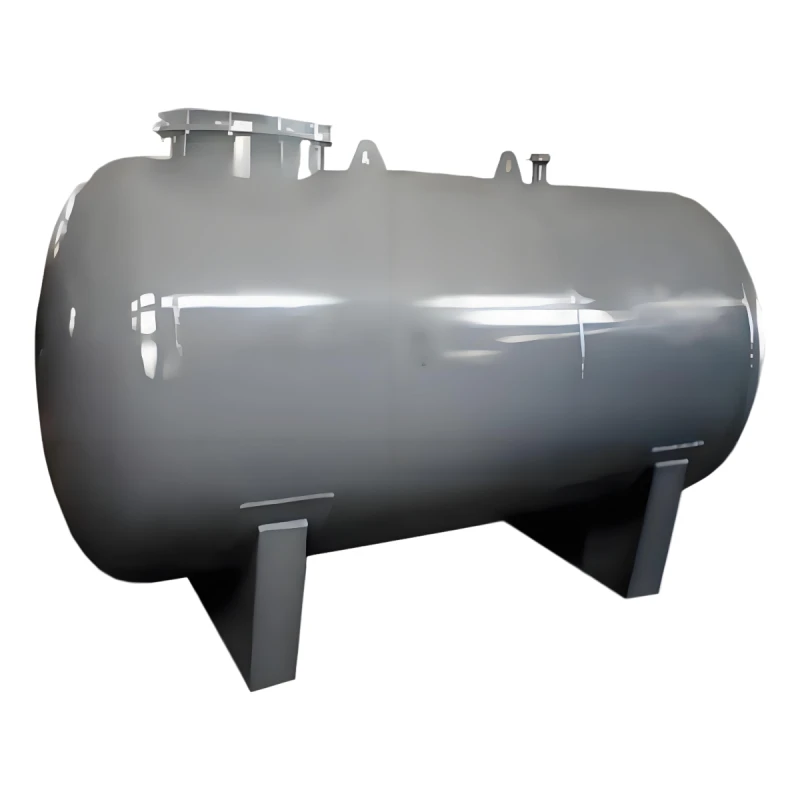
Aboveground fuel tanks (AST) are quite popular because of their lower long-term maintenance and upfront costs. These tanks are more cost-effective to install compared to underground tanks since you don’t need to spend for backfilling, deep excavation, and pavement of more involved piping.
Underground Storage Tanks
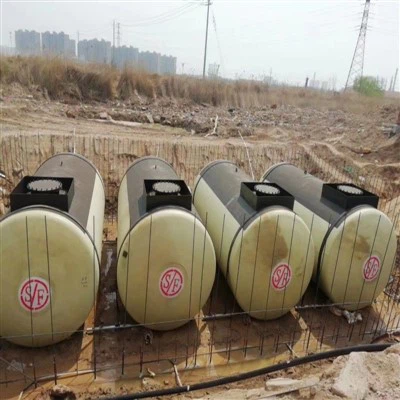
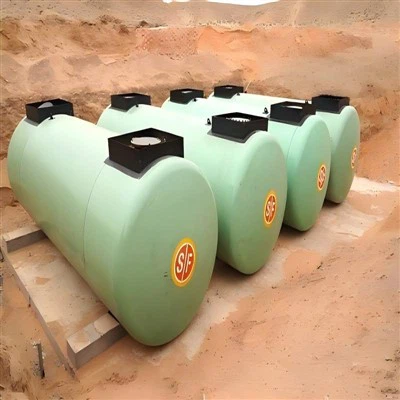
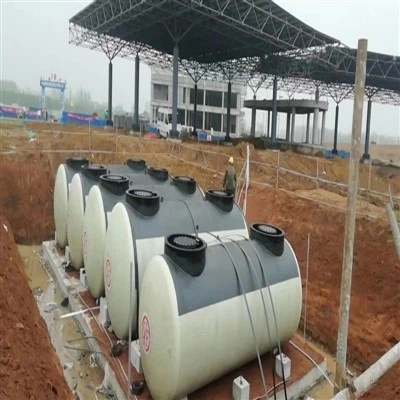
In Underground storage tank (UST), at least 10% of the tank’s stored volume is buried underground. Such tanks that are used for storing hazardous materials or fuels are regulated, and must have registration with the EPA.
Application of Fuel Tank
Nuclear Power Plant: Nuclear power plant tanks are used to store and manage nuclear fuel or other radioactive materials. They ensure the sealing and protective performance of nuclear fuel, prevent leakage and external contact, and ensure the safe operation of nuclear power plants.
Oil And Gas Industry: Fuel storage tanks are used in the oil and gas industry to store and transport petroleum products such as crude oil, gasoline, and diesel. Especially in the field of liquefied natural gas (LNG), tanks are used to store liquefied natural gas to ensure the continuity and high energy efficiency of energy supply.
Power Generation Industry: LNG storage tanks are used as fuel supply devices in the power generation industry to provide fuel for generator sets and ensure the stability of power supply. In addition, fuel storage tanks are also used to store and supply fuels such as coal and natural gas to support the operation of power plants.
Ship Fuel: LNG storage tanks are widely used in ship fuel supply systems to provide clean fuel and reduce pollution emissions from ships. This application is not only suitable for large cargo ships and tankers, but also for small ships and yachts.
Industrial Heating and Fuel: Fuel storage tanks are used in the industrial sector to store fuels required for equipment such as industrial boilers, drying equipment and furnaces. They provide a steady supply of fuel to support the continuity and efficiency of industrial production.
Agriculture and Agricultural Products Storage: In some cases, fuel storage tanks are also used to store agricultural-related fuels such as diesel or liquefied petroleum gas (LPG) to meet the energy needs of farms and agricultural equipment.
Fuel Tank Considerations
Fuel tanks should pay attention to the following points during use:
Operation specification
The tank should be cleaned and inspected in accordance with regulations before use to ensure that no foreign matter remains and effectively eliminate potential safety hazards in the tank. A liquid level control instrument should be installed in the tank to ensure that the diesel level is within a safe range. The tank should be inspected and maintained regularly, and damaged coatings should be cleaned, leaks repaired, and pipeline accessories maintained in a timely manner to ensure that the basic safety capacity of the tank is not reduced.
Anti-static measures
The oil tank itself is a place where static electricity is easily accumulated, and anti-static measures must be taken. In the process of transporting diesel, operations such as reducing oil transportation friction and mechanical collisions should be reduced to reduce the possibility of static electricity accumulation. Static grounding equipment should be installed on the storage tank to ensure that the tank body is well grounded with the roof, pipeline and other systems to eliminate possible static electricity.
Fire safety
For storage tanks storing flammable gases and flammable liquids, fire-fighting equipment should be equipped. Smoking, open flame lighting, heating, and bringing ignition sources into the tank area are strictly prohibited. For storage tanks storing flammable, explosive, toxic, corrosive and other media, the relevant regulations on the management of hazardous materials should be strictly implemented.
Packing & Shipping