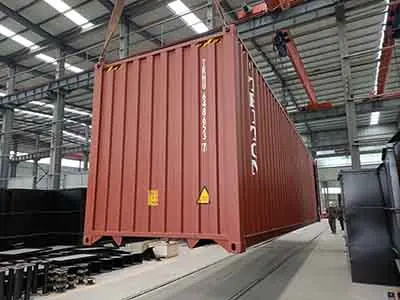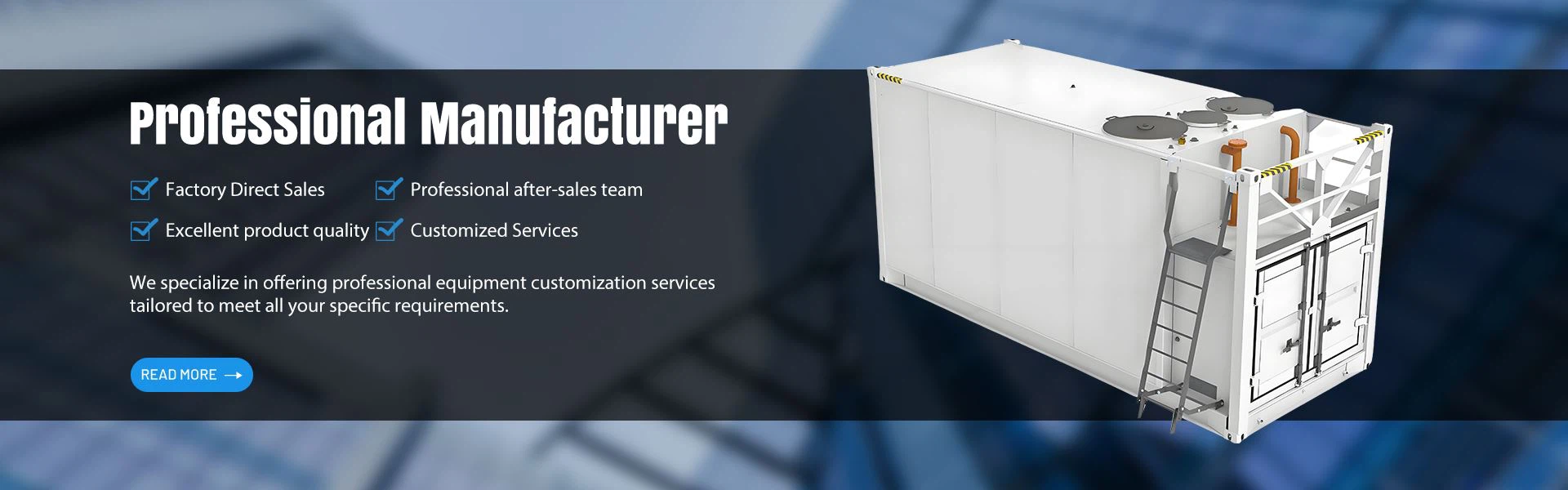


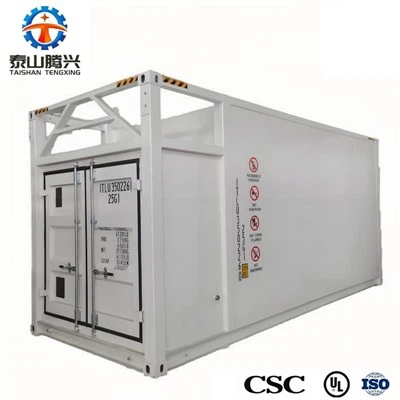
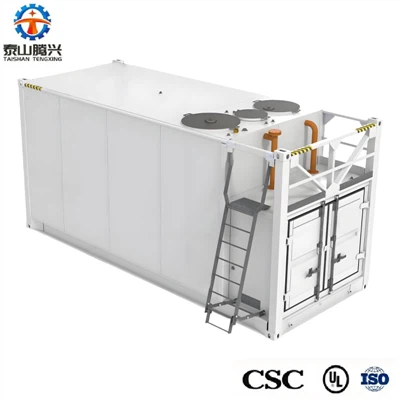
Self Bunded Fuel Tank
Shandong Tengxing New Energy Technology Co., Ltd. is a comprehensive enterprise specializing in the research, development, design, production, installation, and maintenance of specialized equipment, with a particular focus on various types of oil storage containers such as mobile fuel stations, self bunded fuel tanks, container fuel stations, ISO tank containers, above-ground fuel storage tanks, and underground fuel storage tanks. Since its establishment, our company has been at the forefront of fuel tank development, continuously launching well-designed, innovative and unique products to meet the increasingly complex and evolving needs of the market. In a fiercely competitive business environment, we have won wide praise and unwavering support from our customers with our unparalleled product quality and excellent service standards.



Why Choose Us
Professional Team
Our company covers an area of 18,000 square meters, has a professional team of 108 professionals, and has its own technical department, production department, administrative office, quality inspection department and financial department.
High Quality
Our company is committed to strictly controlling product quality from multiple levels. We have successively obtained ISO and UL142 certifications, and hold a special equipment production license and multiple patent certificates.
One-Stop Solution
With our strong technical expertise, advanced production technology and excellent after-sales service, we are committed to providing customers with tailor-made, comprehensive one-stop solutions to meet the diverse needs of customers.
Production Market
Our company has expanded its global footprint by exporting to over 30 nations, including Saudi Arabia, Oman, Singapore, Malaysia, Congo, Cameroon, Ghana, Mauritius, Botswana, Zimbabwe, South Africa, Tanzania and so on.
Advantages of Self Bunded Fuel Tank
Self bunded fuel tanks are equipped with an integrated double-wall structure to store fuel safely and securely. The gap between the inner and outer walls acts as a protective layer to catch any leakages and spills from seeping into the ground and causing environmental harm.
Self bunded fuel tanks provide significant long-term cost savings by reducing the frequency of refuelling trips, maintenance, and repairs. The robust, double-walled design protects the fuel from contamination and extends its lifespan, minimising downtime and costly repairs.
Self bunded fuel tanks are available in various sizes and capacities to suit different operational needs. These tanks also feature forklift pockets and lifting lugs for easy transportation and installation between sites.
Built from high-quality polyethylene or steel, bunded fuel tanks are engineered to meet the rigorous demands of industrial use. Their double-walled construction enhances safety and structural integrity, ensuring dependable performance over time.Compared to traditional tanks, self bunded fuel tanks offer significantly longer service life and reliable performance even in demanding environments.

Applications of self bunded fuel tanks
Mining: In remote mining sites where access to fuel is limited, self bunded fuel tanks provide a convenient and secure solution for storing diesel and other fuels used to power heavy machinery and equipment.
Agriculture: Farms and large agricultural operations rely on fuel to run tractors, generators, and irrigation systems. Self bunded fuel tanks ensure that farmers have a reliable supply of fuel on-site, reducing downtime and enhancing productivity.
Construction: Construction sites often require temporary fuel storage to refuel machinery and vehicles. Self bunded fuel tanks can be easily transported and set up on-site, providing a convenient and safe refuelling solutions.
Transportation: Trucking companies and logistics providers use self bunded fuel tanks to store diesel for their fleets. These tanks can be installed at depots or distribution centres to ensure that vehicles are fueled up and ready for long hauls.
Emergency Response: During natural disasters or other emergencies, self bunded fuel tanks play a crucial role in providing fuel for emergency generators, pumps, and vehicles. Their robust construction and secondary containment make them ideal for use in challenging conditions.
Specification
|
Item |
Self Bunded Fuel Tank |
|
Tank |
Single wall or double wall |
|
Condition |
New |
|
Size |
20ft/40ft |
|
Capacity |
1000L-55000L |
|
Thickness |
5mm/6mm/8mm |
|
Max Working Pressure(MPa) |
0.02 MPa |
|
Video outgoing-inspection |
Provided |
|
Machinery Test Report |
Provided |
|
Warranty of core components |
1 Years |
|
Core Components |
Storage Tank,dispenser, unloading Pump |
|
Place of Origin |
China |
|
Brand Name |
Tengxing |
|
Dimension(L*W*H) |
Customized |
|
Color |
Customized Color |
|
Material |
Carbon Steel |
|
Usage |
Store and refueling |
Precautions for installing self bunded fuel tank
Preparation before installation
Foundation preparation: The foundation of the tank should be solid and stable, with sufficient load-bearing capacity to prevent the tank from tilting or deforming during use. The foundation surface should be flat, without sharp objects or uneven areas to avoid damaging the bottom of the tank.
Inspect the tank: Before installation, carefully check the material, wall thickness, welds, etc. of the tank to ensure that it is of qualified quality and has no cracks, breakage or deformation. At the same time, check the accessories of the tank, such as flanges, pipes, seals, etc., to ensure that they are complete, intact and matching specifications.
Installation process
Place the tank: Place the tank on the foundation and use tools such as a level to adjust the level of the tank to ensure that the tank is stable and will not tilt. During the placement process, avoid strong impact and collision on the tank body.
Connect pipes and equipment: Connect the feed pipe, discharge pipe and other related equipment such as agitators, heat exchangers, etc. as needed. Use sealant and other materials to seal to ensure that there is no leakage at the connection.
Installation of testing equipment: Install testing equipment such as liquid level gauges, thermometers, and pressure gauges to monitor the liquid level, temperature, pressure and other parameters inside the tank in real time.
Inspection and testing after installation
Sealing performance inspection: After the installation is completed, carefully check the sealing performance of the tank to ensure that there is no leakage. You can use the method of adding liquid and observing the interface to check for leakage.
Pressure test: Perform a pressure test on the tank to ensure that it can withstand the design pressure without leakage or deformation. During the test, the pressure should be gradually increased, and the deformation and leakage of the tank should be observed.
Packing & Shipping