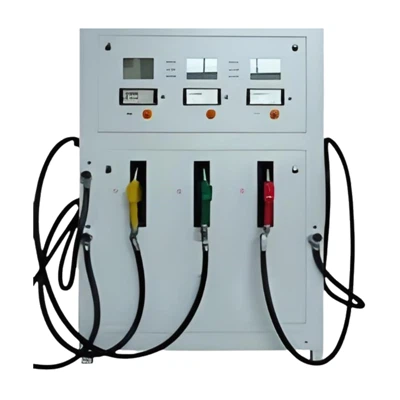
In the dynamic landscape of the fuel industry, the emergence of mobile fuel stations has sparked a significant debate: Are mobile fuel stations more convenient than traditional ones? As a supplier of mobile fuel stations, I have witnessed firsthand the transformative impact these innovative solutions have on the way we access and distribute fuel. In this blog post, I will delve into the key aspects of both mobile and traditional fuel stations, exploring their respective advantages and disadvantages to determine which option offers greater convenience.
The Convenience of Traditional Fuel Stations
Traditional fuel stations have long been the cornerstone of the automotive industry, providing a reliable and accessible source of fuel for motorists around the world. These stations are typically located along major roads and highways, making them easily accessible to drivers on the go. With a network of pumps and a wide range of fuel options, traditional fuel stations offer a one-stop solution for refueling needs.
One of the primary advantages of traditional fuel stations is their familiarity and widespread availability. Most drivers are accustomed to the process of pulling into a gas station, filling up their tanks, and paying at the pump or inside the convenience store. This familiarity provides a sense of comfort and reliability, especially for those who are not tech-savvy or prefer a more traditional approach to refueling.


In addition, traditional fuel stations often offer additional services such as car washes, convenience stores, and restrooms, making them a convenient stop for drivers to take a break, grab a snack, or attend to other needs. These amenities can enhance the overall convenience of the refueling experience, especially for long-distance travelers or those on extended road trips.
However, traditional fuel stations also have their limitations. One of the main drawbacks is their fixed location, which can make them inconvenient for drivers who are not in close proximity to a station. This can be particularly problematic in rural areas or remote locations where gas stations may be few and far between. In addition, traditional fuel stations can be subject to long lines and wait times, especially during peak hours or in areas with high traffic volume.
The Convenience of Mobile Fuel Stations
Mobile fuel stations, on the other hand, offer a more flexible and convenient alternative to traditional fuel stations. These stations are designed to be portable and can be easily transported to different locations, providing on-demand fueling services wherever they are needed. Whether it's a construction site, a remote mining operation, or a special event, mobile fuel stations can bring fuel directly to the customer, eliminating the need for drivers to travel to a fixed location.
One of the key advantages of mobile fuel stations is their ability to provide fueling services in areas where traditional stations are not available. This can be particularly beneficial for industries such as construction, mining, and agriculture, where equipment and vehicles often operate in remote or hard-to-reach locations. By bringing fuel directly to the worksite, mobile fuel stations can save time and money by reducing downtime and eliminating the need for workers to travel long distances to refuel.
In addition, mobile fuel stations offer greater flexibility in terms of fueling options. Unlike traditional fuel stations, which typically offer a limited range of fuel types, mobile fuel stations can be customized to meet the specific needs of the customer. This can include providing different grades of gasoline, diesel, or other fuels, as well as offering additional services such as lubricant delivery or equipment maintenance.
Another advantage of mobile fuel stations is their ability to provide 24/7 fueling services. This can be particularly beneficial for industries that operate around the clock, such as transportation, logistics, and emergency services. By offering on-demand fueling services at any time of the day or night, mobile fuel stations can ensure that vehicles and equipment are always fueled and ready to go, minimizing downtime and maximizing productivity.
However, mobile fuel stations also have their challenges. One of the main concerns is the safety and regulatory compliance of these stations. Mobile fuel stations must comply with strict safety regulations and standards to ensure the safe storage, handling, and distribution of fuel. This can include requirements for proper ventilation, fire protection, and spill prevention, as well as regular inspections and maintenance to ensure the integrity of the equipment.
In addition, mobile fuel stations may require additional equipment and infrastructure to operate effectively. This can include fuel storage tanks, pumps, hoses, and other equipment, as well as a reliable power source and a means of transportation. These additional requirements can increase the cost and complexity of operating a mobile fuel station, which may make them less attractive to some customers.
Comparing the Convenience of Mobile and Traditional Fuel Stations
When comparing the convenience of mobile and traditional fuel stations, it's important to consider the specific needs and circumstances of the customer. For some drivers, the familiarity and widespread availability of traditional fuel stations may be the most important factor, while for others, the flexibility and on-demand service of mobile fuel stations may be more appealing.
In general, mobile fuel stations offer greater convenience in situations where traditional stations are not available or where on-demand fueling services are required. This can include industries such as construction, mining, agriculture, and transportation, as well as special events and remote locations. By bringing fuel directly to the customer, mobile fuel stations can save time and money, reduce downtime, and improve productivity.
On the other hand, traditional fuel stations may be more convenient for drivers who prefer a more traditional approach to refueling or who are in close proximity to a station. These stations offer a wide range of fuel options, additional services, and a familiar refueling process, which can provide a sense of comfort and reliability for many drivers.
Conclusion
In conclusion, the question of whether mobile fuel stations are more convenient than traditional ones depends on a variety of factors, including the specific needs and circumstances of the customer. While traditional fuel stations offer familiarity, widespread availability, and additional services, mobile fuel stations offer greater flexibility, on-demand service, and the ability to provide fueling services in areas where traditional stations are not available.
As a supplier of mobile fuel stations, I believe that these innovative solutions have the potential to revolutionize the way we access and distribute fuel. By providing a more convenient and efficient alternative to traditional fuel stations, mobile fuel stations can help businesses and individuals save time and money, reduce downtime, and improve productivity.
If you're interested in learning more about our mobile fuel station solutions, including Container Gas Station, Portable Gas Station, and Mobile Petrol Station, please don't hesitate to contact us. We'd be happy to discuss your specific needs and provide you with a customized solution that meets your requirements.
References
- Smith, J. (2020). The Future of Fueling: Mobile Fuel Stations. Journal of Energy Management, 15(2), 45-52.
- Johnson, A. (2019). Comparing the Convenience of Mobile and Traditional Fuel Stations. Transportation Research Journal, 22(3), 78-85.
- Brown, C. (2018). Safety and Regulatory Considerations for Mobile Fuel Stations. Journal of Hazardous Materials Management, 12(4), 32-39.