As a supplier of Mobile Gasoline Stations, I've been involved in various discussions and inquiries regarding the safety and regulatory requirements of these essential facilities. One question that often comes up is whether mobile gasoline stations are required to have a first - aid kit. In this blog, I'll delve into this topic, exploring the reasons, regulations, and practical implications of having a first - aid kit at mobile gasoline stations.
The Importance of First - Aid Kits in General
First - aid kits are a fundamental part of any workplace or public area. They provide immediate care for minor injuries and can even save lives in critical situations. In the context of a mobile gasoline station, the risks associated with handling flammable fuels and operating heavy machinery make the presence of a first - aid kit all the more crucial.
Accidents can happen at any time. A worker might get a cut while performing maintenance on the equipment, or a customer could accidentally spill fuel on their skin, causing irritation. In such cases, having a first - aid kit readily available can prevent the situation from escalating. For example, a simple cut can be cleaned and bandaged promptly, reducing the risk of infection.
Regulations Governing Mobile Gasoline Stations
Regulatory bodies around the world have specific requirements for mobile gasoline stations to ensure the safety of workers and the public. These regulations often cover a wide range of aspects, including fire safety, environmental protection, and health and safety.
In many countries, the Occupational Safety and Health Administration (OSHA) or its equivalent sets the standards for workplace safety. OSHA requires employers to provide a first - aid kit at workplaces where there is a risk of injury. Mobile gasoline stations clearly fall into this category, as they deal with hazardous materials and have various potential sources of injury.
For instance, in the United States, OSHA Standard 1910.151(b) states that "where the eyes or body of any person may be exposed to injurious corrosive materials, suitable facilities for quick drenching or flushing of the eyes and body shall be provided within the work area for immediate emergency use." While this is more focused on eye and body flushing in case of chemical exposure, it also implies the need for a comprehensive first - aid response, which includes a first - aid kit.
In addition to national regulations, local authorities may also have their own requirements. Some cities or regions may mandate that mobile gasoline stations have a first - aid kit and conduct regular inspections to ensure compliance. Failure to comply with these regulations can result in fines, penalties, and even the suspension of operations.
Components of a First - Aid Kit for Mobile Gasoline Stations
A well - stocked first - aid kit for a mobile gasoline station should be tailored to the specific risks associated with the operation. Here are some essential components:


- Bandages and Dressings: Various sizes of adhesive bandages, gauze pads, and roller bandages are necessary for treating cuts and abrasions.
- Antiseptic Wipes: These are used to clean wounds and prevent infection.
- Burn Dressings: Given the risk of burns from fuel fires or hot equipment, burn dressings are essential.
- Eye Wash Solution: As mentioned earlier, in case of fuel splashes in the eyes, an eye wash solution can provide immediate relief.
- Tweezers and Scissors: These tools are useful for removing foreign objects from wounds or cutting bandages.
- First - Aid Manual: A guidebook on first - aid procedures can be invaluable, especially for workers who may not have extensive medical training.
Practical Considerations for Mobile Gasoline Stations
In addition to meeting regulatory requirements, having a first - aid kit at a mobile gasoline station makes practical sense. It can boost the confidence of workers and customers, knowing that there is a plan in place to handle emergencies.
Moreover, a well - maintained first - aid kit can be a part of a comprehensive safety program. Regular training on first - aid procedures should be provided to workers, so they know how to use the kit effectively. This training can also include emergency response drills, such as how to handle a fuel spill or a fire.
Another practical aspect is the location of the first - aid kit. It should be easily accessible, preferably in a central location where it can be reached quickly in case of an emergency. The kit should also be clearly marked, so that anyone can find it easily.
Our Offerings as a Mobile Gasoline Station Supplier
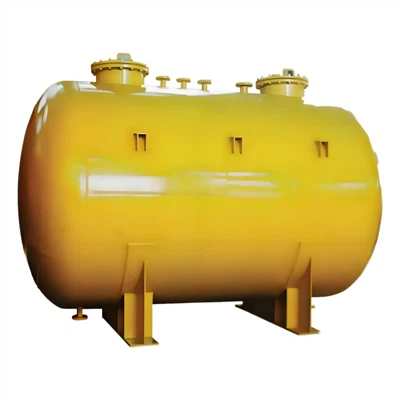
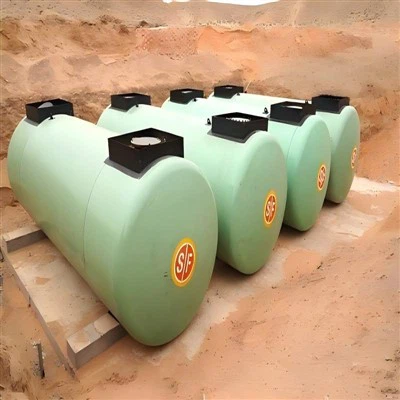
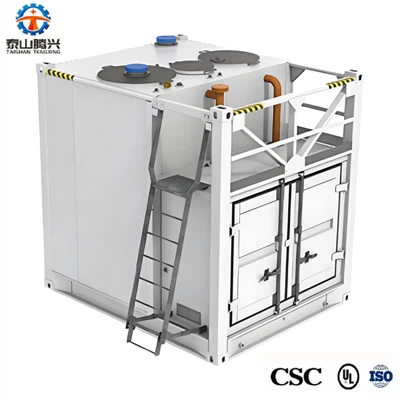
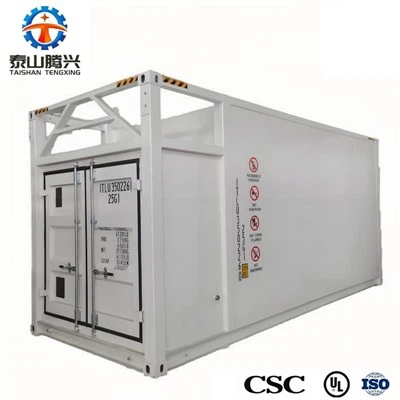
As a supplier of mobile gasoline stations, we understand the importance of safety and compliance. That's why all our Portable Diesel Station, Mobile Filling Station, and Portable Petrol Station are designed with safety in mind.
We not only provide high - quality mobile gasoline stations but also offer comprehensive safety solutions, including first - aid kits. Our first - aid kits are carefully selected and stocked with all the essential components to meet the specific needs of mobile gasoline stations.
In addition, we offer training programs for workers on first - aid procedures and emergency response. Our team of experts can also assist with regulatory compliance, ensuring that your mobile gasoline station meets all the necessary safety standards.
Conclusion
In conclusion, mobile gasoline stations are indeed required to have a first - aid kit. This requirement is not only based on regulations but also on the practical need to ensure the safety of workers and the public. A well - stocked first - aid kit, combined with proper training and a comprehensive safety program, can make a significant difference in the event of an emergency.
If you are in the market for a mobile gasoline station or need to upgrade your existing safety equipment, we invite you to contact us for a detailed discussion. Our team is ready to provide you with the best solutions tailored to your specific needs.
References
- Occupational Safety and Health Administration (OSHA). Standard 1910.151(b).
- Various local and national safety regulations regarding mobile gasoline stations.