Are Self - Bunded Fuel Tanks Compliant with Environmental Regulations?
As a supplier of self - bunded fuel tanks, I often get asked about the compliance of these tanks with environmental regulations. In this blog post, I'll delve into the details of how self - bunded fuel tanks meet environmental standards and why they are a reliable choice for fuel storage.
Understanding Self - Bunded Fuel Tanks
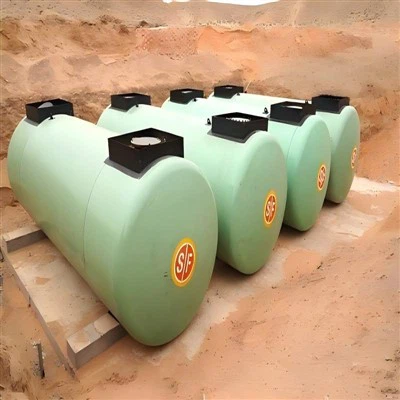
Self - bunded fuel tanks are a type of double - walled fuel storage tank. The inner tank holds the fuel, while the outer tank acts as a secondary containment system. This design provides an extra layer of protection against fuel spills and leaks, which is crucial for environmental safety.
The concept of self - bunded tanks is based on the principle of preventing fuel from reaching the environment in case of a leak in the primary tank. The outer bund is designed to contain the entire volume of the inner tank, plus a certain percentage (usually around 110% of the inner tank capacity) to account for any expansion or spillage.
Environmental Regulations and Their Importance
Environmental regulations regarding fuel storage are in place to protect the environment from the harmful effects of fuel spills. Fuel spills can contaminate soil, water sources, and harm wildlife. These regulations set standards for the design, installation, and maintenance of fuel storage tanks to minimize the risk of spills.
For example, in many regions, fuel storage tanks must be able to withstand certain structural stresses, have proper ventilation systems, and be regularly inspected for leaks. These requirements are not only for the protection of the environment but also for public safety.
How Self - Bunded Fuel Tanks Meet Environmental Regulations
-
Secondary Containment
The most significant feature of self - bunded fuel tanks is their secondary containment system. As mentioned earlier, the outer bund can hold the entire volume of the inner tank, preventing any fuel from leaking into the environment. This is a key requirement in many environmental regulations. For instance, in the United States, the Environmental Protection Agency (EPA) requires that all above - ground fuel storage tanks have secondary containment to prevent spills. -
Material and Construction
Self - bunded fuel tanks are typically made of high - quality materials such as steel or polyethylene. These materials are corrosion - resistant, which reduces the risk of leaks over time. The construction of the tanks also meets strict standards. They are designed to withstand external forces, such as impacts and weather conditions, ensuring the integrity of the tank and the containment system. -
Monitoring and Maintenance
To ensure compliance with environmental regulations, self - bunded fuel tanks are equipped with monitoring systems. These systems can detect leaks in the inner tank and alert the operator. Regular maintenance is also required, including inspections of the tank, the bund, and the monitoring equipment. This proactive approach helps to identify and address any potential issues before they become major problems.
Types of Self - Bunded Fuel Tanks and Their Compliance
There are different types of self - bunded fuel tanks available, such as Self Bunded Diesel Tank, Self Bunded Diesel Fuel Tank, and Self Bunded Petrol Fuel Tank. Each type is designed to meet specific environmental requirements based on the type of fuel they store.
Diesel fuel tanks, for example, need to meet regulations regarding the storage of diesel, which may include requirements for anti - static features and specific ventilation systems. Petrol fuel tanks, on the other hand, need to comply with more stringent regulations due to the higher volatility of petrol.
Benefits of Using Compliant Self - Bunded Fuel Tanks
-
Environmental Protection
By using compliant self - bunded fuel tanks, we can significantly reduce the risk of fuel spills and their impact on the environment. This helps to protect soil, water sources, and wildlife, contributing to a cleaner and healthier ecosystem. -
Legal Compliance
Compliant self - bunded fuel tanks ensure that businesses are operating within the legal framework. This can prevent costly fines and legal issues that may arise from non - compliance with environmental regulations. -
Reputation
Businesses that use compliant fuel storage solutions demonstrate their commitment to environmental responsibility. This can enhance their reputation among customers, partners, and the general public.
Challenges in Ensuring Compliance
While self - bunded fuel tanks are designed to meet environmental regulations, there are still some challenges in ensuring full compliance. One challenge is the proper installation of the tanks. If the tanks are not installed correctly, it can compromise the integrity of the secondary containment system.
Another challenge is the ongoing maintenance of the tanks. Regular inspections and maintenance are required to ensure that the tanks continue to meet environmental standards. However, some businesses may neglect these maintenance tasks, which can lead to non - compliance.
Conclusion
Self - bunded fuel tanks are a reliable and compliant solution for fuel storage. Their design, construction, and monitoring systems are specifically engineered to meet environmental regulations. Whether you need a Self Bunded Diesel Tank, Self Bunded Diesel Fuel Tank, or Self Bunded Petrol Fuel Tank, our products are designed to provide the highest level of environmental protection.


If you are interested in purchasing self - bunded fuel tanks or have any questions about their compliance with environmental regulations, please feel free to contact us for a detailed discussion. We are committed to providing you with the best fuel storage solutions that meet your needs and comply with all relevant environmental standards.
References
- Environmental Protection Agency (EPA). (Year). Regulations for Above - Ground Fuel Storage Tanks.
- Industry Standards for Self - Bunded Fuel Tanks. (Year). Published by [Industry Association].