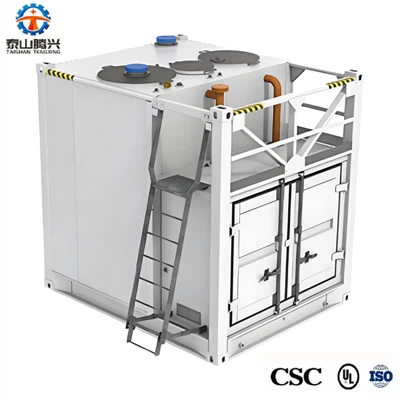
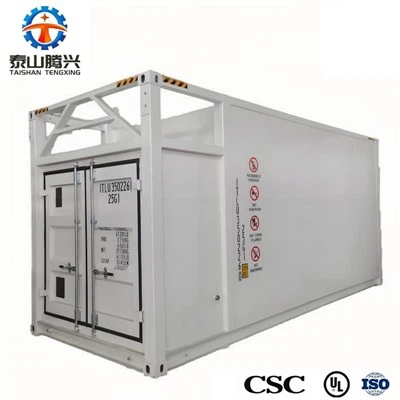
Hey there! As a supplier of 20 ft ISO tanks, I've had my fair share of conversations with customers about the pros and cons of using these nifty containers. While they're super popular and have a ton of advantages, it's only fair to talk about the possible downsides too. So, let's dive right in and explore if there are any disadvantages of using a 20 ft ISO tank.
Limited Capacity
One of the most obvious drawbacks of a 20 ft ISO tank is its capacity. Compared to larger ISO tanks, like the 40 ft ones, the 20 ft tank can hold less stuff. If you're in an industry where you need to transport large volumes of liquids or gases regularly, this limited capacity can be a real pain. For example, if you're a chemical company shipping bulk chemicals, you'll have to make more trips with a 20 ft tank than you would with a 40 ft one. This not only increases transportation costs but also takes up more time.
Let's say you're shipping a liquid product that has a high demand. With a 20 ft tank, you might need to send out two or three shipments to meet the same volume that a single 40 ft tank could carry. This means more trucks on the road, more fuel consumption, and potentially more wear and tear on the vehicles. And if you're using a shipping vessel, you'll need to allocate more space for multiple 20 ft tanks, which could be inefficient. Check out 20FT Tank Container to get a better idea of the capacity and dimensions.
Higher Cost per Unit Volume
Because of the limited capacity, the cost per unit volume of transporting goods in a 20 ft ISO tank can be higher. When you factor in the cost of the tank itself, the transportation fees, and any handling charges, it can add up quickly. For instance, if you're paying a flat fee for shipping a container, a 20 ft tank will cost you the same amount as a 40 ft tank in terms of the shipping charge, but you're getting less volume. This means you're effectively paying more for each gallon or liter of the product you're transporting.
In addition, the cost of manufacturing a 20 ft ISO tank is not significantly less than that of a 40 ft tank. The materials, labor, and quality control processes are similar, so the price difference between the two sizes is not proportional to the difference in capacity. This can make it less cost - effective for businesses that are looking to minimize their transportation expenses. You can learn more about the cost aspects on the ISO Fuel Container page.


Less Flexibility in Loading and Unloading
Another disadvantage is the limited flexibility when it comes to loading and unloading. 20 ft ISO tanks are designed to fit into standard shipping and handling systems, but their smaller size can sometimes make the process more challenging. For example, some loading and unloading equipment is optimized for larger containers. If you're using a facility that is set up mainly for 40 ft tanks, you might encounter difficulties when trying to load or unload a 20 ft tank.
There could be issues with the alignment of the tank with the loading equipment, or the equipment might not be able to reach all parts of the tank easily. This can lead to longer loading and unloading times, which can disrupt your supply chain. Moreover, if you're working with different types of products that require specific loading and unloading procedures, the smaller size of the 20 ft tank might not be as adaptable as a larger one.
Restricted Compatibility with Some Infrastructure
The 20 ft ISO tank might not be compatible with all types of infrastructure. Some storage facilities, pipelines, and processing plants are built with larger containers in mind. For example, if you're trying to connect a 20 ft ISO tank to a pipeline system that is designed for 40 ft tanks, you might face compatibility issues. The connectors, valves, and other components might not match up, which can lead to leaks or other safety hazards.
In some cases, you might need to invest in additional equipment or modify the existing infrastructure to make it work with the 20 ft tank. This can add to the overall cost and complexity of your operations. Also, if you're working in a region where the majority of the industry uses larger containers, it can be difficult to find the necessary support and resources for your 20 ft tanks.
Potential for Higher Maintenance Requirements
Due to their smaller size, 20 ft ISO tanks might be more prone to wear and tear in certain situations. The components of the tank, such as the valves, seals, and pipes, are under a relatively higher stress compared to those in larger tanks. This is because the same amount of pressure and movement is distributed over a smaller surface area. As a result, these components might need to be replaced more frequently, which can increase the maintenance costs.
In addition, if the tank is used in harsh environments or for transporting corrosive substances, the smaller size can make it more difficult to access and inspect all parts of the tank during maintenance. This can lead to undetected damage or issues that could potentially cause problems down the line. Regular maintenance is crucial to ensure the safety and reliability of the tank, but the challenges associated with maintaining a 20 ft ISO tank can be a drawback.
Conclusion
So, as you can see, there are indeed some disadvantages to using a 20 ft ISO tank. The limited capacity, higher cost per unit volume, less flexibility in loading and unloading, restricted compatibility with some infrastructure, and potential for higher maintenance requirements are all factors that you need to consider. However, it's important to note that these disadvantages don't mean that 20 ft ISO tanks aren't useful. In fact, they have many advantages too, such as being more maneuverable, easier to handle in some situations, and suitable for smaller - scale operations.
If you're thinking about using 20 ft ISO tanks for your business, it's essential to weigh the pros and cons carefully. Consider your specific needs, the volume of goods you need to transport, the type of infrastructure you have access to, and your budget. If you have any questions or need more information about our 20 ft ISO tanks, don't hesitate to reach out. We're here to help you make the best decision for your business. Whether you're looking for 20FT Tank Container or ISO Fuel Container, we've got you covered. Let's start a conversation about how our 20 ft ISO tanks can meet your requirements and take your business to the next level.
References
- General knowledge and experience in the ISO tank industry.
- Information from industry - related publications and research on container transportation.