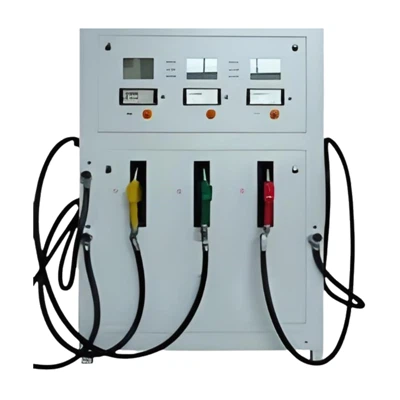
As a supplier of portable fuel stations, I often encounter questions from customers regarding the environmental impacts of using these innovative solutions. In this blog post, I aim to provide a comprehensive analysis of the environmental aspects associated with portable fuel stations, exploring both the potential negative impacts and the positive contributions they can make.
Negative Environmental Impacts
1. Air Pollution
One of the primary concerns when it comes to portable fuel stations is air pollution. The combustion of fuels such as gasoline and diesel releases a variety of pollutants into the atmosphere, including carbon monoxide (CO), nitrogen oxides (NOx), particulate matter (PM), and volatile organic compounds (VOCs). These pollutants can have significant health and environmental implications, contributing to smog formation, acid rain, and climate change.
When a portable fuel station is in operation, the refueling process can result in the emission of VOCs. These compounds are highly reactive and can react with sunlight and other pollutants in the atmosphere to form ground - level ozone, a major component of smog. Ozone can cause respiratory problems, especially for people with asthma and other lung diseases. In addition, the engines of vehicles refueled at the portable fuel station also release pollutants during operation.
2. Fuel Spills
Another potential environmental impact is the risk of fuel spills. Portable fuel stations are designed to be mobile and can be transported to various locations. During transportation, storage, or refueling processes, there is a possibility of fuel spills. Fuel spills can contaminate soil and water sources, posing a threat to the ecosystem.
When fuel spills occur on soil, it can penetrate the surface and contaminate the groundwater. Fuels contain toxic chemicals such as benzene, toluene, ethylbenzene, and xylenes (BTEX), which are carcinogenic and can have long - term health effects on humans and animals. In addition, fuel spills on water bodies can form a thin layer on the surface, blocking sunlight and preventing oxygen from dissolving into the water. This can lead to the death of aquatic plants and animals.
3. Noise Pollution
Portable fuel stations are often equipped with engines and pumps, which can generate significant noise during operation. Noise pollution can have negative impacts on both humans and wildlife. For humans, prolonged exposure to high - level noise can cause hearing loss, stress, and sleep disturbances. In the case of wildlife, noise pollution can disrupt their natural behavior patterns, such as migration, mating, and foraging.
Positive Environmental Contributions
1. Reducing Transportation Requirements
One of the significant environmental benefits of using portable fuel stations is the potential to reduce transportation requirements. Instead of vehicles having to travel long distances to a fixed fueling station, a portable fuel station can be brought directly to the location where the fuel is needed. This can result in a reduction in the amount of fuel consumed by vehicles for refueling trips, thereby lowering greenhouse gas emissions.
For example, in construction sites or remote areas, having a Portable Gasoline Station on - site can eliminate the need for construction vehicles to make frequent trips to a distant fueling station. This not only saves time but also reduces the overall carbon footprint of the project.
2. Energy Efficiency
Modern portable fuel stations are designed with advanced technology to improve energy efficiency. For instance, some models are equipped with high - efficiency pumps and engines that consume less fuel while providing the same level of performance. Additionally, these stations often have better insulation and sealing, which can reduce fuel evaporation and heat loss, further improving energy efficiency.
3. Waste Management
Portable fuel stations can also contribute to better waste management in the fueling process. They are often equipped with systems to collect and recycle waste materials, such as used oil and filters. By properly managing these waste products, the environmental impact associated with fueling activities can be minimized.
Mitigating Environmental Impacts
1. Emission Control Technologies
To reduce air pollution, portable fuel stations can be equipped with emission control technologies. For example, catalytic converters can be installed in the engines to reduce the emission of CO, NOx, and VOCs. In addition, vapor recovery systems can be used during the refueling process to capture and recycle VOCs, preventing them from being released into the atmosphere.


2. Spill Prevention and Response
To prevent fuel spills, portable fuel stations should be designed with proper safety features, such as double - walled tanks and leak detection systems. Regular maintenance and inspections are also essential to ensure the integrity of the fuel storage and dispensing systems. In the event of a spill, a well - prepared spill response plan should be in place to minimize the environmental impact. This may include having absorbent materials, containment booms, and trained personnel to handle the spill.
3. Noise Reduction Measures
To reduce noise pollution, noise - reducing materials can be used in the construction of portable fuel stations. For example, sound - absorbing insulation can be installed around the engine and pump areas. In addition, the location of the portable fuel station should be carefully selected to minimize the impact on nearby communities and wildlife.
Conclusion
In conclusion, while there are some potential environmental impacts associated with using portable fuel stations, such as air pollution, fuel spills, and noise pollution, there are also significant positive contributions that they can make. By reducing transportation requirements, improving energy efficiency, and promoting better waste management, portable fuel stations can play an important role in minimizing the overall environmental impact of fueling activities.
As a supplier of Mobile Filling Station and Portable Petrol Station, we are committed to providing high - quality and environmentally friendly products. We continuously invest in research and development to improve the design and performance of our portable fuel stations, incorporating the latest emission control technologies, spill prevention measures, and noise reduction features.
If you are interested in our portable fuel stations and would like to learn more about how they can meet your fueling needs while minimizing environmental impacts, we encourage you to contact us for a procurement discussion. We look forward to the opportunity to work with you and contribute to a more sustainable future.
References
- Environmental Protection Agency (EPA). Air Quality Standards and Pollutants.
- International Maritime Organization (IMO). Guidelines for the Prevention of Pollution from Fuel Oil Spills.
- World Health Organization (WHO). Noise Pollution and Health.