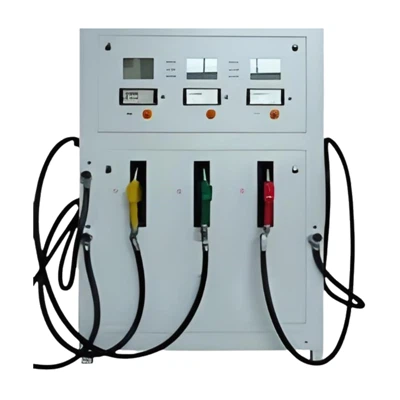
As a fuel tank supplier, I often get asked whether a fuel tank can be used in a recreational vehicle (RV). The answer is a resounding yes, but there are several important factors to consider to ensure safety, efficiency, and compliance.
Compatibility and Types of Fuel Tanks
Compatibility
First and foremost, the fuel tank must be compatible with the type of fuel used in the RV. Most RVs run on either gasoline or diesel. Gasoline tanks are designed to handle the volatility and chemical properties of gasoline, while diesel tanks are built to withstand the higher viscosity and different combustion characteristics of diesel fuel. Using the wrong type of tank can lead to serious safety hazards, including leaks, fires, and engine damage.
Types of Fuel Tanks
There are different types of fuel tanks available for RVs, each with its own advantages and disadvantages.
- Plastic Fuel Tanks: These are lightweight, corrosion - resistant, and relatively inexpensive. They are often used in smaller RVs or those with limited space. However, they may not be as durable as metal tanks and can be more prone to damage from impacts.
- Steel Fuel Tanks: Steel tanks are strong and durable. They can withstand high pressures and are less likely to be damaged by rough handling. However, they are heavier than plastic tanks and can be susceptible to rust if not properly coated.
- Aluminum Fuel Tanks: Aluminum is a popular choice for RV fuel tanks due to its lightweight nature and resistance to corrosion. It is also more expensive than plastic but offers a good balance between durability and weight.
Safety Considerations
Installation
Proper installation of the fuel tank is crucial for safety. The tank should be securely mounted to prevent movement during transit. It should also be installed in a location that is well - ventilated to prevent the build - up of fuel vapors. Additionally, all connections, such as fuel lines and vents, must be properly sealed to prevent leaks.
Ventilation
Fuel tanks need to be properly ventilated to allow for the expansion and contraction of fuel as the temperature changes. A blocked or inadequate ventilation system can cause pressure to build up inside the tank, leading to leaks or even an explosion. The ventilation system should be designed to direct fuel vapors away from the RV's living areas and ignition sources.
Overfill Prevention
An overfill prevention device is essential to prevent fuel from overflowing when refueling. This not only helps to prevent spills and environmental contamination but also reduces the risk of fire. Most modern fuel tanks are equipped with overfill prevention valves or other similar devices.
Capacity and Range
Capacity
The capacity of the fuel tank is an important consideration for RV owners. A larger tank means fewer stops for refueling, which can be especially beneficial when traveling long distances or in remote areas. However, a larger tank also adds weight to the RV, which can affect fuel efficiency and handling.
Range
The range of an RV depends on both the fuel tank capacity and the fuel efficiency of the vehicle. RV owners should consider their typical travel patterns when choosing a fuel tank capacity. For example, if you frequently take long trips on the highway, a larger tank may be more suitable. On the other hand, if you mainly use your RV for short local trips, a smaller tank may be sufficient.
Regulatory Compliance
Local and National Regulations
Fuel tanks used in RVs must comply with local and national regulations. These regulations cover aspects such as tank construction, installation, and safety features. For example, in some areas, fuel tanks must be certified by a recognized testing agency to ensure they meet certain safety standards.
Environmental Regulations
There are also environmental regulations that govern the use of fuel tanks in RVs. These regulations aim to reduce emissions and prevent fuel spills. For example, some areas require the use of fuel tanks with low - emission features or the installation of spill containment systems.
Our Fuel Tank Offerings
As a fuel tank supplier, we offer a wide range of fuel tanks suitable for RVs. Our Diesel Storage Tank is designed specifically for diesel - powered RVs. It is made from high - quality materials and is built to meet the strictest safety and performance standards. Our Fuel Storage Tank is available in different capacities and materials, allowing you to choose the one that best suits your needs.
We understand the unique requirements of RV owners and are committed to providing fuel tanks that are safe, reliable, and efficient. Our team of experts can help you select the right fuel tank for your RV and provide guidance on installation and maintenance.
Contact Us for Purchase and Consultation
If you are considering using a fuel tank in your recreational vehicle, we encourage you to contact us for a detailed consultation. Our sales team is ready to answer all your questions and provide you with a customized solution based on your specific needs. Whether you need a small plastic tank for a compact RV or a large aluminum tank for a luxury motorhome, we have the right product for you.


References
- SAE International. (20XX). Standards for Fuel Tanks in Recreational Vehicles.
- National Fire Protection Association. (20XX). Fire Safety Standards for RV Fuel Systems.
- Environmental Protection Agency. (20XX). Regulations on Fuel Tank Emissions and Spill Prevention.