As a supplier of portable fuel stations, I often get asked whether these stations can be refilled easily. This is a crucial question for many potential users, whether they are in the transportation, construction, or agricultural sectors. In this blog, I'll delve into the details of refilling portable fuel stations, exploring the factors that affect the ease of refilling and sharing insights based on my experience in the industry.
Understanding Portable Fuel Stations
Portable fuel stations come in various types, including Mobile Diesel Station, Portable Gasoline Station, and Mobile Filling Station. These stations are designed to provide a convenient and flexible solution for fueling vehicles, equipment, and machinery in remote locations or areas where traditional fueling infrastructure is lacking.
One of the key advantages of portable fuel stations is their mobility. They can be easily transported to different sites, allowing users to refuel their vehicles and equipment on - the - go. However, the ease of refilling these stations is equally important, as it directly impacts their usability and efficiency.
Factors Affecting the Ease of Refilling
1. Design and Structure
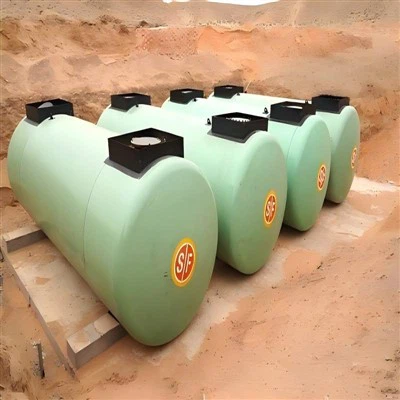
The design of a portable fuel station plays a significant role in determining how easily it can be refilled. A well - designed station will have a clear and accessible filling port, which makes it easier for operators to connect the refilling equipment. For example, some portable fuel stations are equipped with large - diameter filling ports that can accommodate standard refilling hoses, reducing the risk of spills and making the refilling process more efficient.
In addition, the internal structure of the fuel tank also matters. A fuel tank with a simple and unobstructed interior allows for a smooth flow of fuel during refilling. Some advanced portable fuel stations have baffles inside the tank to prevent fuel sloshing, which not only improves safety but also makes refilling easier by maintaining a stable fuel level.
2. Refilling Equipment Compatibility
Another important factor is the compatibility of the portable fuel station with the refilling equipment. Most portable fuel stations are designed to be refilled using standard fuel transfer pumps and hoses. However, it's essential to ensure that the refilling equipment has the right flow rate and pressure to match the capacity of the portable fuel station.
For instance, if a portable fuel station has a large - capacity tank, a high - flow fuel transfer pump may be required to refill it in a reasonable amount of time. On the other hand, if the refilling equipment has a very high pressure, it may cause damage to the fuel station or result in fuel spills. Therefore, it's crucial to select the appropriate refilling equipment based on the specifications of the portable fuel station.
3. Location and Accessibility
The location where the portable fuel station is placed also affects the ease of refilling. If the station is located in a confined space or an area with limited access, it can be challenging to maneuver the refilling equipment. For example, if the fuel station is placed in a corner of a warehouse with narrow aisles, it may be difficult to position the refilling truck or pump close enough to the filling port.
Ideally, the portable fuel station should be placed in an open and easily accessible area, with sufficient space around it for the refilling equipment to operate. This ensures that the refilling process can be carried out smoothly without any unnecessary delays or difficulties.
4. Safety Regulations and Procedures
Safety is of utmost importance when refilling portable fuel stations. There are strict regulations and procedures in place to prevent fuel spills, fires, and other hazards. These regulations often require operators to follow specific steps, such as grounding the fuel station and the refilling equipment to prevent static electricity buildup.
While these safety measures are necessary, they can also add some complexity to the refilling process. However, by providing proper training to operators and ensuring that all safety equipment is in place, the refilling process can be carried out safely and efficiently.
Refilling Methods for Portable Fuel Stations
1. Direct Refilling from a Fuel Truck
One of the most common methods of refilling portable fuel stations is directly from a fuel truck. This method is suitable for large - scale refilling, especially when the portable fuel station has a high - capacity tank. The fuel truck is equipped with a pump and a hose, which can be connected to the filling port of the portable fuel station.


Before refilling, the operator needs to ensure that the fuel truck and the portable fuel station are properly grounded to prevent static electricity. Then, the hose is connected to the filling port, and the pump is activated to transfer the fuel from the truck to the station. This method is relatively straightforward, but it requires the fuel truck to be in close proximity to the portable fuel station.
2. Refilling with a Fuel Transfer Pump
For smaller - scale refilling or when a fuel truck is not available, a fuel transfer pump can be used. The fuel transfer pump can be connected to a storage tank or a drum of fuel and then to the filling port of the portable fuel station.
This method offers more flexibility, as it can be used in various locations. However, the operator needs to ensure that the fuel transfer pump has the right flow rate and pressure for the portable fuel station. Additionally, proper ventilation is required to prevent the buildup of fuel vapors during the refilling process.
Ease of Refilling in Practice
In my experience as a portable fuel station supplier, I've found that most of our customers are able to refill their stations with relative ease. Our portable fuel stations are designed with user - friendly features, such as accessible filling ports and clear markings, which make the refilling process straightforward.
Many of our customers also appreciate the flexibility of refilling methods. They can choose to refill directly from a fuel truck when they need a large amount of fuel or use a fuel transfer pump for smaller refills. With proper training and following safety procedures, refilling a portable fuel station becomes a routine task that can be completed efficiently.
Conclusion
In conclusion, a portable fuel station can be refilled easily if the right factors are considered. The design and structure of the station, the compatibility of the refilling equipment, the location and accessibility, and adherence to safety regulations all play important roles in ensuring a smooth refilling process.
As a supplier, we are committed to providing high - quality portable fuel stations that are not only easy to refill but also safe and reliable. If you are in the market for a portable fuel station and have questions about refilling or any other aspects, I encourage you to contact us for a detailed discussion. We are more than happy to assist you in finding the right solution for your fueling needs.
References
- Industry standards and guidelines for portable fuel stations.
- Manufacturer's specifications and user manuals for portable fuel stations.
- Research on fuel transfer and storage systems.