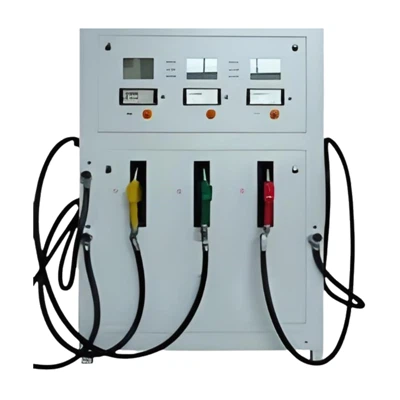
As a supplier of self-bunded fuel tanks, I often receive inquiries from gas station owners and operators about the feasibility of using self-bunded fuel tanks in their facilities. This blog post aims to provide a comprehensive analysis of whether self-bunded fuel tanks can be used in a gas station, exploring their advantages, limitations, regulatory considerations, and more.
Advantages of Self-Bunded Fuel Tanks in Gas Stations
Safety
One of the primary advantages of self-bunded fuel tanks is their enhanced safety features. These tanks are designed with a double-wall construction, where an outer wall surrounds the inner tank. In case of a leak or rupture in the inner tank, the outer wall acts as a secondary containment system, preventing fuel from spilling into the environment. This significantly reduces the risk of soil and groundwater contamination, which is a major concern in gas stations. For example, if there is a small crack in the inner tank of a self-bunded diesel fuel tank Self Bunded Diesel Fuel Tank, the outer wall will contain the leaked fuel, minimizing the potential for environmental damage.
Space Efficiency
Self-bunded fuel tanks are more space-efficient compared to traditional single-wall tanks with separate secondary containment systems. The integrated double-wall design eliminates the need for additional space for a secondary containment structure, making them ideal for gas stations with limited land area. This allows gas station operators to maximize the use of their available space and potentially install more tanks or other equipment.


Ease of Installation
Installing self-bunded fuel tanks is generally quicker and easier than installing single-wall tanks with secondary containment. Since the secondary containment is already built into the tank, there is no need for complex on-site construction of a separate containment system. This reduces the installation time and cost, allowing gas stations to start operating more quickly.
Cost-Effectiveness
In the long run, self-bunded fuel tanks can be a cost-effective option for gas stations. While the initial purchase price may be higher than that of single-wall tanks, the savings in installation costs, reduced environmental liability, and lower maintenance requirements can offset the upfront investment. Additionally, the durability of self-bunded tanks means they have a longer lifespan, further reducing the overall cost of ownership.
Limitations of Self-Bunded Fuel Tanks in Gas Stations
Capacity Limitations
Self-bunded fuel tanks typically have a lower capacity compared to large underground storage tanks commonly used in gas stations. This can be a limitation for high-volume gas stations that require large amounts of fuel storage. However, for smaller gas stations or those with lower fuel consumption, the capacity of self-bunded tanks may be sufficient.
Temperature and Weather Sensitivity
The performance of self-bunded fuel tanks can be affected by extreme temperatures and weather conditions. In very cold climates, the fuel may thicken, and the tank material may become more brittle, increasing the risk of cracking. In hot climates, the expansion of the fuel and the tank materials can also pose challenges. Proper insulation and temperature control measures may be required to ensure the optimal performance of the tanks in different weather conditions.
Compatibility with Existing Systems
Integrating self-bunded fuel tanks into an existing gas station infrastructure may pose some challenges. The tanks need to be compatible with the existing fuel dispensing systems, piping, and monitoring equipment. Modifications may be required to ensure seamless operation, which can add to the installation cost and complexity.
Regulatory Considerations
Local and National Regulations
Before using self-bunded fuel tanks in a gas station, it is essential to comply with local and national regulations. These regulations govern various aspects of fuel storage, including tank design, installation, maintenance, and environmental protection. For example, some regions may have specific requirements for the thickness of the tank walls, the capacity of the secondary containment, and the monitoring of fuel levels and leaks. Failure to comply with these regulations can result in significant fines and legal consequences.
Fire Safety Regulations
Gas stations are subject to strict fire safety regulations due to the flammable nature of the fuels they store and dispense. Self-bunded fuel tanks must meet the relevant fire safety standards, such as having proper ventilation, flame arrestors, and fire-resistant coatings. Additionally, the location of the tanks within the gas station must comply with fire safety distances to prevent the spread of fire in case of an incident.
Case Studies
Successful Implementation in Small Gas Stations
There have been several successful implementations of self-bunded fuel tanks in small gas stations. For example, a small rural gas station was facing space constraints and wanted to upgrade its fuel storage system. By installing self-bunded gasoline tanks Self Bunded Gasoline Tank, the station was able to increase its storage capacity without expanding its footprint. The ease of installation also allowed the station to minimize downtime during the upgrade process, resulting in minimal disruption to its business operations.
Challenges in Large Urban Gas Stations
In contrast, large urban gas stations may face more challenges when using self-bunded fuel tanks. A large gas station in a busy city center needed to replace its old underground storage tanks. While self-bunded tanks were considered for their safety and space-saving features, the high fuel demand of the station required a larger storage capacity than the self-bunded tanks could provide. Eventually, the station decided to use a combination of self-bunded tanks for backup storage and larger underground tanks for primary storage.
Conclusion
In conclusion, self-bunded fuel tanks can be a viable option for gas stations, especially those with smaller fuel consumption, limited space, or a need for enhanced safety. However, they also have some limitations, such as capacity constraints and temperature sensitivity, which need to be carefully considered. Before making a decision, gas station owners and operators should thoroughly evaluate their specific requirements, comply with all relevant regulations, and consult with experts in the field.
If you are a gas station owner or operator interested in exploring the use of self-bunded fuel tanks in your facility, we invite you to contact us for more information. Our team of experts can provide personalized advice and solutions based on your specific needs. We offer a wide range of self-bunded fuel tanks, including Self Bunded Diesel Tank, Self Bunded Petrol Fuel Tank, Self Bunded Petrol Tank, Self Bunded Diesel Fuel Tank, and Self Bunded Gasoline Tank, to meet your diverse requirements. Let's start a conversation and find the best fuel storage solution for your gas station.
References
- Environmental Protection Agency (EPA). "Fuel Storage Tank Regulations."
- National Fire Protection Association (NFPA). "Fire Safety Standards for Gas Stations."
- Industry reports on the use of self-bunded fuel tanks in gas stations.