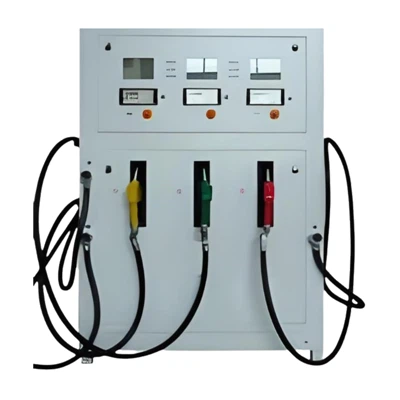
A power plant is a complex and critical infrastructure that requires a reliable and efficient fuel storage solution. One option that has gained popularity in recent years is the self-bunded fuel tank. As a self-bunded fuel tank supplier, I often receive inquiries about whether these tanks can be used in a power plant. In this blog post, I will explore the feasibility and advantages of using self-bunded fuel tanks in a power plant setting.
Understanding Self-Bunded Fuel Tanks
Self-bunded fuel tanks are designed with an outer shell that provides secondary containment for the inner tank. This design eliminates the need for a separate bund wall, which is a traditional method of containing fuel spills. The outer shell is typically made of high-quality steel or polyethylene, providing a robust and durable barrier against leaks and spills.
Self-bunded fuel tanks come in various sizes and capacities, making them suitable for a wide range of applications. They can be used to store different types of fuels, including gasoline, diesel, and aviation fuel. Some of the key features of self-bunded fuel tanks include:
- Double-walled construction: The double-walled design provides an extra layer of protection against leaks and spills.
- Integrated spill containment: The outer shell acts as a secondary containment system, preventing fuel from escaping in the event of a leak.
- Easy installation: Self-bunded fuel tanks are pre-fabricated and can be easily installed on-site, reducing installation time and costs.
- Low maintenance: These tanks require minimal maintenance, thanks to their durable construction and corrosion-resistant materials.
Feasibility of Using Self-Bunded Fuel Tanks in a Power Plant
Power plants require a large and continuous supply of fuel to generate electricity. The fuel storage system must be reliable, safe, and compliant with environmental regulations. Self-bunded fuel tanks offer several advantages that make them a viable option for power plants:
- Safety: The double-walled construction of self-bunded fuel tanks provides an extra layer of protection against leaks and spills, reducing the risk of environmental contamination and fire hazards.
- Compliance: Self-bunded fuel tanks are designed to meet strict environmental regulations, ensuring that power plants remain compliant with local and national laws.
- Space efficiency: Self-bunded fuel tanks eliminate the need for a separate bund wall, saving valuable space in the power plant.
- Cost-effectiveness: These tanks are relatively inexpensive to purchase and install, and they require minimal maintenance, making them a cost-effective solution for power plants.
Types of Self-Bunded Fuel Tanks for Power Plants
As a self-bunded fuel tank supplier, I offer a range of tanks suitable for power plants. Some of the most popular types of self-bunded fuel tanks include:


- Self Bunded Gasoline Tank: These tanks are designed to store gasoline safely and efficiently. They are available in various sizes and capacities, making them suitable for small and large power plants.
- Self Bunded Diesel Tank: Diesel is a commonly used fuel in power plants, and self-bunded diesel tanks are designed to meet the specific requirements of diesel storage. These tanks are built to withstand the harsh conditions of power plant environments.
- Self Bunded Diesel Fuel Tank: Similar to self-bunded diesel tanks, these tanks are specifically designed for diesel fuel storage. They offer the same benefits of safety, compliance, and cost-effectiveness.
Installation and Maintenance of Self-Bunded Fuel Tanks in Power Plants
Proper installation and maintenance are crucial for the safe and efficient operation of self-bunded fuel tanks in power plants. Here are some key considerations:
- Installation: Self-bunded fuel tanks should be installed by a qualified professional who has experience in installing fuel storage systems. The installation process should comply with local and national regulations.
- Inspection and testing: Regular inspection and testing of self-bunded fuel tanks are essential to ensure their integrity and safety. This includes checking for leaks, corrosion, and other signs of damage.
- Maintenance: Self-bunded fuel tanks require minimal maintenance, but it is important to follow the manufacturer's recommendations for maintenance and servicing. This may include cleaning, painting, and replacing parts as needed.
Case Studies: Self-Bunded Fuel Tanks in Power Plants
There are several case studies that demonstrate the successful use of self-bunded fuel tanks in power plants. For example, a large power plant in the United States replaced its traditional fuel storage system with self-bunded fuel tanks. The new system provided a more reliable and efficient fuel storage solution, reducing the risk of leaks and spills. The power plant also reported cost savings in installation and maintenance.
Conclusion
In conclusion, self-bunded fuel tanks are a viable option for power plants. They offer several advantages, including safety, compliance, space efficiency, and cost-effectiveness. As a self-bunded fuel tank supplier, I am committed to providing high-quality tanks that meet the specific needs of power plants. If you are considering using self-bunded fuel tanks in your power plant, I encourage you to contact me to discuss your requirements. I can provide you with detailed information about our products and services, and help you choose the right tank for your application.
References
- American Petroleum Institute (API). (2019). API Standard 653, Tank Inspection, Repair, Alteration, and Reconstruction.
- National Fire Protection Association (NFPA). (2020). NFPA 30, Flammable and Combustible Liquids Code.
- Environmental Protection Agency (EPA). (2021). Spill Prevention, Control, and Countermeasure (SPCC) Rule.