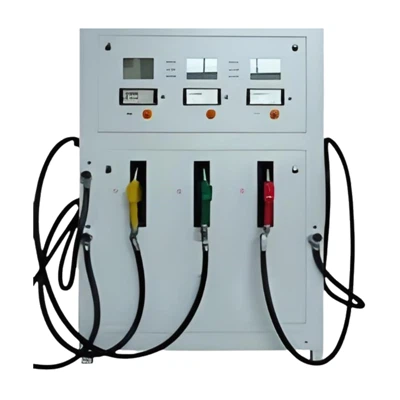
Hey there! As a supplier of above ground fuel tanks, I often get asked a bunch of questions about what these tanks can and can't do. One question that pops up quite a lot is, "Can an above ground fuel tank be used for biofuels?" Well, let's dive into this topic and find out.
First off, let's talk a bit about biofuels. Biofuels are fuels made from renewable biological resources, like plants and animal waste. They're seen as a more environmentally - friendly alternative to traditional fossil fuels. There are different types of biofuels, such as biodiesel and bioethanol. Biodiesel is typically made from vegetable oils or animal fats, while bioethanol is produced from crops like corn or sugarcane.
Now, can our above - ground fuel tanks handle these biofuels? The short answer is, in many cases, yes. But there are some things we need to consider.
Compatibility of Materials
Above ground fuel tanks are usually made from various materials, like steel or fiberglass. When it comes to using them for biofuels, the compatibility of the tank material with the biofuel is crucial.
Steel tanks are quite common. They're strong and can withstand a lot of wear and tear. However, biofuels, especially biodiesel, can be a bit corrosive. Biodiesel has different chemical properties compared to regular diesel. It can react with the steel in the tank over time, leading to corrosion. This corrosion can cause leaks and other problems. So, if you're planning to use a steel Above Ground Diesel Fuel Tank for biodiesel, you might need to have it coated with a special material that can resist the corrosive effects of the biofuel.
Fiberglass tanks, on the other hand, are generally more resistant to the corrosive nature of biofuels. They're a great option if you're looking to store biofuels in an above - ground tank. Fiberglass doesn't react with biofuels in the same way steel does, so you're less likely to run into corrosion issues.
Temperature and Storage Conditions
Biofuels have different temperature requirements compared to regular fuels. For example, biodiesel can start to gel at higher temperatures than regular diesel. If the temperature in your above - ground tank drops too low, the biodiesel can thicken and clog the fuel lines. This means that you need to make sure your tank is insulated properly, especially if you live in a cold climate.
Also, biofuels can be more sensitive to water and microbial growth. Water can get into the tank through condensation, and if there's water present, it can promote the growth of bacteria and fungi. These microorganisms can contaminate the biofuel and cause problems with your engine. So, you'll need to have a good system in place to remove any water from the tank regularly.
Regulatory Requirements
When it comes to using above - ground fuel tanks for biofuels, there are also regulatory requirements that you need to follow. Different regions have different rules and regulations regarding the storage of biofuels. Some areas might require you to have a specific type of tank, or they might have rules about how far the tank needs to be from buildings or other structures.
It's really important that you check with your local authorities to make sure you're in compliance with all the regulations. If you don't follow the rules, you could face some serious fines or other legal issues.
Advantages of Using Above - Ground Tanks for Biofuels
There are some definite advantages to using above - ground tanks for biofuels. For one, they're easier to install and maintain compared to underground tanks. You can easily inspect an above - ground tank for any signs of damage or corrosion. If there's a problem, it's also easier to access the tank and make repairs.
Above - ground tanks are also more visible, which can be a good thing in terms of security. You can keep an eye on the tank and make sure there are no unauthorized access attempts. And if you need to move the tank for any reason, it's much simpler to do so with an above - ground tank than an underground one.
Our Above - Ground Fuel Tanks
As a supplier, we offer a range of Above Ground Diesel Tank and Above Ground Gasoline Fuel Tank that can be used for biofuels. Our tanks are made from high - quality materials, and we can provide customized solutions based on your specific needs.
We understand that each customer has different requirements when it comes to storing biofuels. Whether you need a small tank for a home - based biofuel system or a large tank for an industrial facility, we've got you covered. Our team of experts can help you choose the right tank, make sure it's installed correctly, and give you advice on how to maintain it properly.
Conclusion and Call to Action
So, in conclusion, an above - ground fuel tank can definitely be used for biofuels, but it's important to consider the compatibility of materials, temperature and storage conditions, and regulatory requirements. We're here to help you navigate through all these factors and make the best choice for your biofuel storage needs.
If you're interested in purchasing an above - ground fuel tank for biofuels, or if you have any questions, don't hesitate to reach out. We're always happy to have a chat and discuss how we can meet your requirements. Whether you're new to biofuels or an experienced user, we've got the knowledge and the products to make your biofuel storage a success.


References
- "Biofuels and Their Storage Considerations." Journal of Renewable Energy.
- "Above - Ground Fuel Storage Guidelines." National Fuel Storage Association.