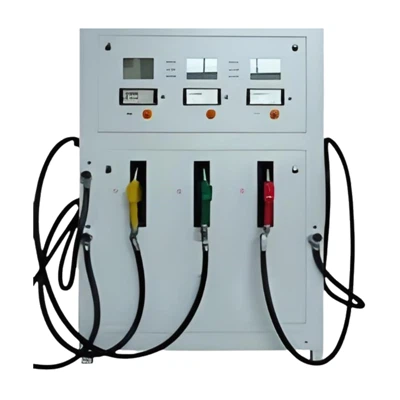
As a supplier of underground fuel tanks, I've seen firsthand the growing interest in alternative fuels. With the increasing focus on sustainability and reducing carbon emissions, many customers are wondering if their existing underground fuel tanks can be repurposed for these new energy sources. In this blog post, I'll explore the feasibility of using underground fuel tanks for alternative fuels, considering factors such as compatibility, safety, and regulatory requirements.
Compatibility of Underground Fuel Tanks with Alternative Fuels
Biodiesel
Biodiesel is a renewable fuel made from vegetable oils, animal fats, or recycled cooking grease. It is often blended with petroleum diesel to reduce emissions and increase the use of renewable resources. Most modern underground diesel tanks are compatible with biodiesel blends up to B20 (20% biodiesel and 80% petroleum diesel). However, higher blends may require modifications to the tank and fuel system to prevent corrosion and seal degradation.
The materials used in underground fuel tanks, such as steel and fiberglass, can react differently to biodiesel. Steel tanks may be more prone to corrosion in the presence of biodiesel, especially if the fuel contains water or impurities. Fiberglass tanks, on the other hand, are generally more resistant to biodiesel but may require special coatings or linings to ensure long-term compatibility.
Ethanol
Ethanol is a biofuel made from corn, sugarcane, or other plant materials. It is commonly blended with gasoline to increase octane ratings and reduce emissions. Underground gasoline tanks can typically handle ethanol blends up to E10 (10% ethanol and 90% gasoline) without significant issues. However, higher blends, such as E85 (85% ethanol and 15% gasoline), may require specialized tanks and fuel systems.
Ethanol is a solvent that can dissolve certain types of rubber and plastic components in fuel tanks and fuel lines. This can lead to leaks, clogs, and other performance problems. Additionally, ethanol has a higher affinity for water than gasoline, which can cause phase separation and corrosion in the tank.
Hydrogen
Hydrogen is a clean and efficient alternative fuel that produces zero emissions when burned. It can be used in fuel cells to generate electricity or in internal combustion engines. However, storing hydrogen in underground fuel tanks presents several challenges.
Hydrogen has a very low density and requires high-pressure storage to achieve a reasonable energy density. This means that underground hydrogen tanks need to be designed and built to withstand extremely high pressures. Additionally, hydrogen is highly flammable and can leak through small cracks or pores in the tank material. Specialized materials and construction techniques are required to ensure the safety and integrity of underground hydrogen tanks.
Natural Gas
Natural gas is a fossil fuel that is cleaner and more efficient than gasoline and diesel. It can be compressed (CNG) or liquefied (LNG) for storage in underground tanks. Underground natural gas tanks are commonly used in fleet vehicles, such as buses and trucks.
CNG tanks are typically made of high-strength steel or composite materials and are designed to withstand high pressures. LNG tanks, on the other hand, need to be insulated to maintain the low temperatures required for liquefaction. Both CNG and LNG tanks require regular maintenance and inspection to ensure their safety and performance.


Safety Considerations
When using underground fuel tanks for alternative fuels, safety is of utmost importance. Here are some key safety considerations to keep in mind:
Leak Detection
Alternative fuels can be more corrosive or reactive than traditional fuels, increasing the risk of leaks. It is essential to have a reliable leak detection system in place to monitor the integrity of the tank and detect any leaks early. This can include sensors, alarms, and regular inspections.
Ventilation
Proper ventilation is crucial to prevent the accumulation of flammable vapors in and around the underground fuel tank. Alternative fuels, such as hydrogen and natural gas, are highly flammable and can pose a significant safety hazard if not properly ventilated. Ventilation systems should be designed to meet local codes and standards and should be regularly maintained.
Fire Protection
Underground fuel tanks for alternative fuels should be equipped with appropriate fire protection measures, such as fire suppression systems and fire-resistant coatings. These measures can help prevent the spread of fire in the event of a fuel leak or ignition.
Training and Education
Operators and maintenance personnel should receive proper training and education on the safe handling and storage of alternative fuels. This includes understanding the properties and hazards of the fuel, as well as the proper procedures for filling, inspecting, and maintaining the underground fuel tank.
Regulatory Requirements
Using underground fuel tanks for alternative fuels is subject to various regulatory requirements at the local, state, and federal levels. These requirements are designed to ensure the safety of the public, the environment, and the fuel storage system.
Permitting
Before installing or converting an underground fuel tank for alternative fuels, you may need to obtain permits from the relevant regulatory agencies. These permits typically require detailed plans and specifications for the tank and fuel system, as well as proof of compliance with applicable codes and standards.
Inspections
Underground fuel tanks for alternative fuels are subject to regular inspections to ensure their continued safety and compliance. These inspections may include visual inspections, pressure tests, and leak detection tests. It is important to keep accurate records of all inspections and maintenance activities.
Environmental Regulations
Alternative fuels may have different environmental impacts than traditional fuels, and there may be specific regulations governing their storage and use. For example, biodiesel and ethanol may require special handling and disposal procedures to prevent contamination of soil and water.
Conclusion
In conclusion, while it is possible to use underground fuel tanks for alternative fuels, it is not a one-size-fits-all solution. Each alternative fuel has its own unique properties and requirements, and careful consideration must be given to compatibility, safety, and regulatory compliance.
If you are considering using an underground fuel tank for alternative fuels, I recommend consulting with a qualified professional who has experience in this area. They can help you assess the feasibility of your project, select the appropriate tank and fuel system, and ensure that you meet all the necessary requirements.
As a supplier of underground fuel tanks, we offer a wide range of products and services to meet the needs of customers using alternative fuels. Our Underground Gasoline Tank, Underground Petrol Tank, and Underground Diesel Tank are designed and built to the highest standards of quality and safety. We also provide expert advice and support to help you make the right choice for your project.
If you have any questions or would like to discuss your specific requirements, please don't hesitate to contact us. We look forward to working with you to find the best solution for your alternative fuel storage needs.
References
- American Petroleum Institute (API). (2019). API Standard 650, Welded Steel Tanks for Oil Storage.
- National Fire Protection Association (NFPA). (2020). NFPA 30, Flammable and Combustible Liquids Code.
- U.S. Environmental Protection Agency (EPA). (2021). Underground Storage Tanks Regulations.