Hey there! I'm an underground fuel tank supplier, and I get asked a ton of questions about what fuels our tanks can handle. One of the hot topics lately is whether an underground fuel tank can be used for ethanol - blended fuels. So, let's dig into this and find out.
First off, let's talk a bit about ethanol - blended fuels. Ethanol is an alcohol that's often mixed with gasoline. You've probably seen labels like E10 (which means it's 10% ethanol and 90% gasoline) or E85 (85% ethanol and 15% gasoline) at the gas station. Ethanol is popular because it's a renewable fuel source, and it can help reduce our dependence on fossil fuels.
Now, when it comes to using these fuels in an underground fuel tank, it's not a one - size - fits - all answer. There are several factors we need to consider.
Material of the Tank
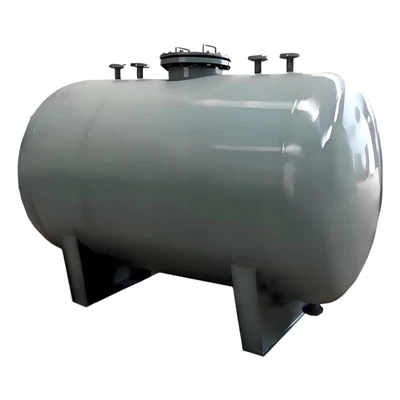
The material of the underground fuel tank is super important. Most of the traditional underground fuel tanks are made of steel. Steel tanks have been around for a long time and have served us well for storing regular gasoline and diesel. But ethanol is a bit of a troublemaker.


Ethanol is a solvent. It can dissolve some of the protective coatings on steel tanks over time. When the coating breaks down, the steel is exposed to the fuel and the moisture in the underground environment. This can lead to corrosion, which is a big no - no. Corrosion can cause holes in the tank, leading to fuel leaks. And fuel leaks are not only a waste of money but also a huge environmental hazard.
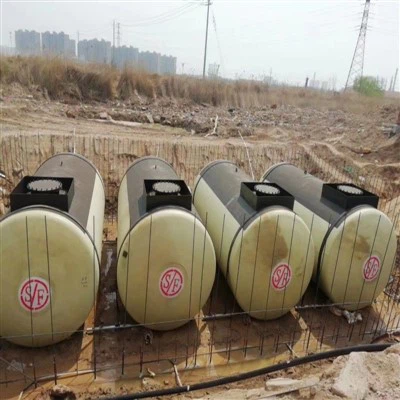
On the other hand, fiberglass tanks are a different story. Fiberglass is resistant to the corrosive effects of ethanol. If you have a fiberglass underground fuel tank, chances are it'll do just fine with ethanol - blended fuels. Fiberglass doesn't react with ethanol in the same way steel does, so there's less risk of corrosion and leaks.
Compatibility with Seals and Gaskets
It's not just the tank itself we need to worry about. The seals and gaskets in the fuel system are also crucial. These little components are responsible for keeping the fuel inside the tank and preventing leaks. Ethanol can cause some types of rubber seals and gaskets to swell or shrink.
If a seal swells, it might get in the way of proper functioning parts in the fuel system. And if it shrinks, it won't be able to create a tight seal, leading to fuel leaks. So, if you're planning to use ethanol - blended fuels in an underground fuel tank, you need to make sure the seals and gaskets are made from a material that's compatible with ethanol.
Water Absorption
Ethanol has a unique property: it loves water. It can absorb water from the air and the surrounding environment. When water gets into the fuel tank, it can cause all sorts of problems. For one, water can mix with the ethanol - blended fuel and create a layer at the bottom of the tank. This water - ethanol mixture can be hard to remove and can cause issues with the engine's performance.
In an underground fuel tank, there's always a risk of water seeping in through the soil. So, if you're using ethanol - blended fuels, you need to have a good system in place to prevent water from getting into the tank and to remove any water that does manage to get in.
Our Tanks and Ethanol - Blended Fuels
As an underground fuel tank supplier, we take all these factors into account. We offer a range of tanks, including Underground Diesel Tank, Underground Petrol Tank, and Underground Gasoline Tank. When it comes to ethanol - blended fuels, our fiberglass tanks are a great option.
Our fiberglass tanks are designed to be resistant to the corrosive effects of ethanol. They also come with high - quality seals and gaskets that are compatible with ethanol - blended fuels. We also provide guidance on how to prevent water from getting into the tank and how to deal with any water that might accumulate.
Benefits of Using Our Tanks with Ethanol - Blended Fuels
If you choose our underground fuel tanks for ethanol - blended fuels, there are some great benefits. Firstly, you can contribute to a more sustainable future by using renewable ethanol - blended fuels without worrying too much about the tank's integrity. Our tanks are built to last, so you won't have to replace them as often, which saves you money in the long run.
Secondly, you'll have peace of mind knowing that our tanks are designed with the latest technology to prevent leaks and other issues. This means you're not only protecting your investment but also the environment.
Installation and Maintenance
When you purchase an underground fuel tank from us, we don't just sell you the tank and walk away. We offer professional installation services. Our team of experts will make sure the tank is installed correctly, taking into account all the factors related to ethanol - blended fuels, such as proper ventilation to prevent water condensation.
We also provide maintenance plans. Regular maintenance is essential when using ethanol - blended fuels in an underground fuel tank. We'll check the tank for any signs of corrosion, inspect the seals and gaskets, and make sure the water removal system is working properly.
Conclusion and Call to Action
In conclusion, yes, an underground fuel tank can be used for ethanol - blended fuels, but it depends on the tank's material, the compatibility of its components, and how well you manage water in the tank. As an experienced underground fuel tank supplier, we have the solutions to make it work for you.
If you're thinking about using ethanol - blended fuels and need a reliable underground fuel tank, don't hesitate to get in touch. We're here to help you choose the right tank for your needs, install it properly, and provide ongoing maintenance. Let's work together to make your fuel storage safe, sustainable, and cost - effective.
References
- “Ethanol Blended Fuels: Compatibility with Fuel System Materials.” American Petroleum Institute.
- “Underground Storage Tanks: A Guide for Owners and Operators.” Environmental Protection Agency.