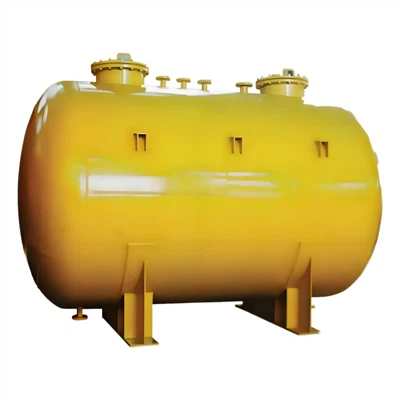
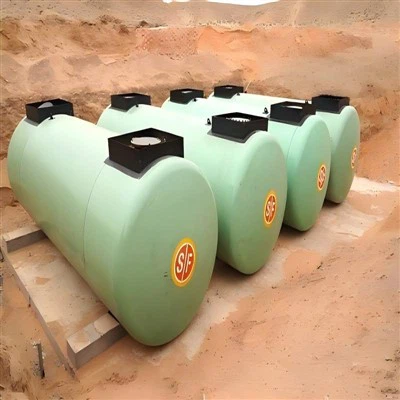
As a supplier of underground fuel tanks, I often get asked whether an underground fuel tank can be used in a commercial setting. The answer is a resounding yes, but there are several important factors to consider before making the decision.
Advantages of Using Underground Fuel Tanks in Commercial Settings
Space Efficiency
One of the primary advantages of underground fuel tanks in commercial settings is their space - saving nature. In a commercial environment, land is often at a premium. Above - ground fuel tanks can take up a significant amount of valuable real estate, which could otherwise be used for other business operations. Underground fuel tanks, on the other hand, are installed beneath the ground, leaving the surface area free for parking lots, storage, or other commercial activities. This is especially beneficial for businesses such as gas stations, large - scale industrial complexes, and airports where a large volume of fuel needs to be stored, but space is limited.
Aesthetic Appeal
From an aesthetic perspective, underground fuel tanks are a clear winner. They are not visible above the ground, which means they do not detract from the overall look of a commercial property. This is particularly important for businesses in areas where visual appeal is a key factor, such as shopping centers or tourist destinations. The absence of large, bulky above - ground tanks can enhance the overall appearance of the business, making it more attractive to customers and clients.
Safety
Underground fuel tanks offer enhanced safety features compared to above - ground tanks. They are less vulnerable to external factors such as vandalism, extreme weather conditions, and vehicle collisions. The earth acts as a natural barrier, protecting the tank from physical damage. Additionally, in the event of a fire, underground fuel tanks are less likely to contribute to the spread of the fire as they are buried beneath the ground. This can help to minimize the risk of property damage and ensure the safety of employees and customers.


Types of Underground Fuel Tanks for Commercial Use
There are several types of underground fuel tanks available for commercial settings, each designed to store different types of fuels.
Underground Gasoline Tank
Gasoline is one of the most commonly used fuels in commercial settings, especially in gas stations and automotive repair shops. An Underground Gasoline Tank is specifically designed to store gasoline safely. These tanks are made from materials that are resistant to corrosion and leakage, ensuring that the gasoline remains stored securely underground. They are also equipped with advanced monitoring systems to detect any potential leaks or issues, providing an extra layer of safety.
Underground Diesel Tank
Diesel fuel is widely used in commercial vehicles, generators, and industrial equipment. An Underground Diesel Tank is built to handle the unique properties of diesel fuel. Diesel has a higher flash point than gasoline, which means it is less volatile. However, it can still pose a risk if not stored properly. Underground diesel tanks are constructed to prevent contamination and ensure the long - term storage of diesel fuel. They are also designed to be compatible with diesel dispensing systems, making it easy to transfer the fuel to vehicles or equipment.
Underground Petrol Tank
Petrol is another term commonly used for gasoline in some regions. An Underground Petrol Tank serves the same purpose as an underground gasoline tank. It is designed to meet the specific requirements of storing petrol, including protection against corrosion, leakage, and environmental factors. These tanks are available in various sizes to accommodate the needs of different commercial operations.
Regulatory Considerations
When using underground fuel tanks in a commercial setting, it is crucial to comply with all relevant regulations. These regulations are in place to protect the environment, public health, and safety.
Installation Requirements
The installation of underground fuel tanks must be carried out by qualified professionals. They must follow strict guidelines regarding the depth of burial, distance from buildings and water sources, and proper grounding. Additionally, the tanks must be tested for leaks before being put into service. This ensures that the tank is installed correctly and reduces the risk of environmental contamination.
Monitoring and Maintenance
Regular monitoring and maintenance of underground fuel tanks are essential. Most regulatory bodies require businesses to conduct periodic inspections and tests to detect any potential leaks or issues. This may include installing leak detection systems, performing tank integrity tests, and maintaining accurate records of all inspections and maintenance activities. Failure to comply with these requirements can result in significant fines and legal consequences.
Environmental Protection
Underground fuel tanks have the potential to contaminate the soil and groundwater if a leak occurs. To prevent this, businesses must take steps to protect the environment. This may include using double - walled tanks, installing secondary containment systems, and implementing spill prevention and response plans. By taking these precautions, businesses can minimize the risk of environmental damage and ensure compliance with environmental regulations.
Cost Considerations
The cost of using underground fuel tanks in a commercial setting includes several factors.
Initial Installation Cost
The initial installation of an underground fuel tank can be relatively expensive. This is due to the cost of the tank itself, excavation work, installation labor, and any necessary permits and inspections. However, it is important to consider the long - term benefits of using an underground tank, such as space savings, safety, and aesthetic appeal, when evaluating the initial cost.
Operating and Maintenance Cost
The operating and maintenance cost of underground fuel tanks includes the cost of monitoring systems, periodic inspections, and any necessary repairs or replacements. While these costs can add up over time, they are generally lower than the costs associated with above - ground tanks in terms of long - term maintenance and safety. Additionally, the cost of environmental remediation in the event of a leak from an above - ground tank can be significantly higher than that of an underground tank.
Conclusion
In conclusion, underground fuel tanks can be a viable and beneficial option for commercial settings. They offer space efficiency, aesthetic appeal, and enhanced safety features. There are different types of underground fuel tanks available to store various types of fuels, such as gasoline, diesel, and petrol. However, businesses must comply with strict regulatory requirements regarding installation, monitoring, and environmental protection. When considering the cost, it is important to weigh the initial installation cost against the long - term benefits and savings.
If you are a commercial business looking for a reliable and safe solution for fuel storage, we invite you to contact us for more information about our underground fuel tanks. Our team of experts can provide you with detailed product information, installation services, and guidance on regulatory compliance. Let us help you find the perfect underground fuel tank solution for your business needs.
References
- Environmental Protection Agency (EPA). (Year). Regulations for Underground Storage Tanks.
- National Fire Protection Association (NFPA). (Year). NFPA Codes and Standards for Fuel Storage.
- American Petroleum Institute (API). (Year). Standards for Underground Fuel Tanks.