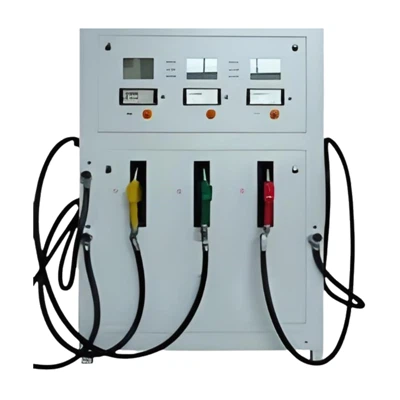
Mobile gasoline stations have emerged as a convenient solution for on - the - spot refueling needs, especially in remote areas, construction sites, and large - scale events. As a supplier of Mobile Gasoline Stations, I am well - aware of the complex regulatory landscape that governs these mobile fueling units. In this blog, we'll explore how mobile gasoline stations are regulated to ensure safety, environmental protection, and fair business practices.
1. Safety Regulations
Safety is the top priority when it comes to mobile gasoline stations. These regulations cover a wide range of aspects, from the design and construction of the stations to their operation and maintenance.
Design and Construction
Mobile gasoline stations must be built to strict standards. The storage tanks, for example, need to be made of materials that can withstand the pressure and corrosive nature of gasoline. They should be equipped with proper ventilation systems to prevent the accumulation of flammable vapors. Additionally, spill containment systems are required to minimize the risk of gasoline spills in case of an accident.
The refueling equipment, such as pumps and hoses, also has to meet specific safety criteria. Pumps should be calibrated regularly to ensure accurate fuel dispensing, and hoses need to be inspected for signs of wear and tear. For more information on different types of mobile fuel stations, you can visit our Portable Petrol Station and Mobile Diesel Station pages.
Operation and Maintenance
Operators of mobile gasoline stations are required to have proper training. They must understand how to handle gasoline safely, including how to prevent leaks, how to respond to emergencies, and how to operate the refueling equipment correctly. Regular maintenance checks are also mandatory. This includes inspecting the tanks, pumps, and hoses for any signs of damage or malfunction.
Moreover, there are strict rules regarding the transportation of mobile gasoline stations. They need to be properly secured during transit to prevent any movement that could cause damage or spills. The vehicles used to transport these stations must also meet certain safety standards.


2. Environmental Regulations
Mobile gasoline stations are also subject to a variety of environmental regulations to minimize their impact on the environment.
Gasoline Storage and Dispensing
To prevent soil and groundwater contamination, mobile gasoline stations must be equipped with secondary containment systems. These systems act as a backup in case of a spill from the primary storage tank. The storage tanks should also be fitted with overfill prevention devices to avoid any accidental overflow of gasoline.
In addition, measures are in place to reduce air pollution. For instance, vapor recovery systems are required to capture the gasoline vapors released during the refueling process. These vapors are then either recycled or treated to prevent their release into the atmosphere. Our Mobile Gasoline Station offerings are designed with these environmental regulations in mind.
Waste Management
Any waste generated during the operation of mobile gasoline stations, such as used filters and cleaning materials, must be disposed of properly. Operators are required to follow local waste disposal regulations to ensure that these materials do not pose an environmental hazard.
3. Business and Licensing Regulations
Operating a mobile gasoline station business involves adhering to a set of business and licensing regulations.
Licensing
To operate a mobile gasoline station, businesses need to obtain the necessary licenses and permits from local and national authorities. These licenses ensure that the business meets all the regulatory requirements and is operating legally. The application process usually involves providing information about the station's design, safety features, and the operator's training and qualifications.
Pricing and Sale Regulations
There are also regulations regarding the pricing and sale of gasoline from mobile stations. Prices must be clearly displayed, and there are often rules against price gouging. Additionally, the quality of the gasoline sold must meet the national standards.
4. Location and Access Regulations
The location where a mobile gasoline station can operate is also regulated.
Zoning Laws
Mobile gasoline stations are subject to local zoning laws. They cannot be placed in areas where they may pose a risk to public safety, such as near schools, hospitals, or residential areas. Instead, they are typically allowed in industrial zones or areas specifically designated for fueling activities.
Accessibility
These stations must also be accessible to the intended customers. This includes having proper signage and ensuring that the refueling area is easy to reach and use. Our Portable Diesel Station and Mobile Filling Station models are designed to be flexible in terms of placement while still complying with all location - related regulations.
Why Choose Our Mobile Gasoline Stations?
As a supplier, we understand the importance of compliance. Our mobile gasoline stations are designed and built to meet all the regulatory requirements mentioned above. We conduct rigorous quality control checks to ensure that each station we provide is safe, environmentally friendly, and in line with all business regulations.
We have a team of experts who can guide you through the process of obtaining the necessary licenses and permits. Whether you are an operator looking for a reliable mobile fuel station or a business considering entering the mobile refueling market, our products and services can provide you with a competitive edge.
If you are interested in our Mobile Gasoline Stations, we encourage you to contact us for a detailed discussion. We can provide you with the latest product information, pricing details, and answer any questions you may have regarding the regulatory requirements. Our commitment is to help you succeed in this industry by providing high - quality, compliant mobile fuel solutions.
References
- [1] National Fire Protection Association (NFPA). Standards for the storage and handling of flammable and combustible liquids.
- [2] Environmental Protection Agency (EPA). Regulations for preventing fuel spills and air pollution from fueling stations.
- [3] Local government authorities' business and licensing regulations for mobile fuel stations.