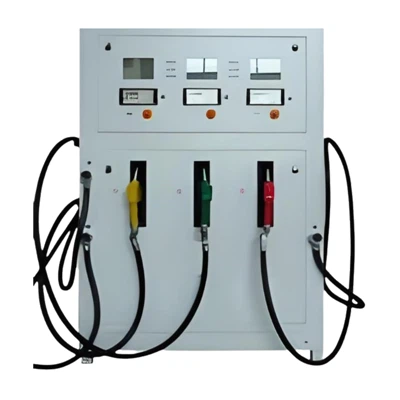
Hey there! I'm a supplier for mini petrol stations, and I've seen firsthand how these little fuel hubs operate. Managing human resources at a Mini Petrol Station, like the ones you can check out Mini Petrol Station, is a unique challenge. It's not like running a big corporate office or a large gas chain. These mini stations have their own set of requirements and quirks.
Staff Recruitment
First off, let's talk about recruitment. When a Mini Petrol Station is looking for new employees, they need to find the right fit. It's not just about having someone who can pump gas. You need people who are customer - friendly, reliable, and can handle basic administrative tasks.


The recruitment process usually starts with putting up job ads. They might post on local job boards, social media, or even put up a sign at the station itself. Once they start getting applications, they have to sift through them. A lot of the time, they're looking for people with some experience in the service industry, but they're also open to training newbies.
For example, they might look for someone who has worked in a convenience store or a fast - food joint. These jobs require similar skills like dealing with customers, handling cash, and working in a fast - paced environment. And since Mini Petrol Stations often have a small team, they need employees who can wear multiple hats.
Training and Development
Once the new employees are hired, it's time for training. Training at a Mini Petrol Station is all about safety, customer service, and station operations. Safety is a top priority. Employees need to know how to handle fuel, how to operate the pumps safely, and what to do in case of an emergency.
They also get trained in customer service. Since the station is a small operation, every interaction with a customer matters. Employees are taught to greet customers with a smile, answer their questions, and handle any complaints in a professional manner.
In terms of station operations, they learn how to manage the inventory of fuel and other products, how to use the cash register, and how to keep the station clean. And it's not a one - time training. They need to keep up with new safety regulations and product updates.
Scheduling
Scheduling is another big part of human resource management at a Mini Petrol Station. These stations are often open long hours, sometimes 24/7. So, they need to create a schedule that ensures there's always someone on duty.
The schedule has to take into account the employees' availability, their skills, and the peak hours at the station. For example, during the morning and evening rush hours, they need more staff to handle the increased traffic. And they also have to make sure that employees get enough rest between shifts.
It's not always easy to create a schedule that works for everyone. Sometimes, employees have personal commitments, like family events or doctor's appointments. The station managers have to be flexible and find ways to accommodate these requests while still keeping the station running smoothly.
Employee Motivation
Motivating employees at a Mini Petrol Station is crucial. Since the work can be repetitive and sometimes stressful, it's important to keep the team engaged. One way to do this is by offering incentives. For example, they might offer bonuses for meeting sales targets or for providing excellent customer service.
Another way is by creating a positive work environment. Station managers can encourage teamwork, recognize employees' hard work, and provide opportunities for growth. For instance, they might offer to train an employee for a more advanced position at the station.
Handling Employee Issues
Like any workplace, Mini Petrol Stations also have to deal with employee issues. This could be anything from conflicts between employees to performance problems. When there are conflicts, the manager needs to step in and mediate. They have to listen to both sides of the story and find a solution that works for everyone.
If an employee is not performing well, the manager needs to have a conversation with them. They should provide feedback on what the employee is doing wrong and offer suggestions on how to improve. And if the problem persists, they might have to take more serious measures, like giving a warning or even terminating the employee.
Working with Mini Diesel Stations
Now, let's talk about Mini Diesel Stations, which you can learn more about Mini Diesel Station. The human resource management for Mini Diesel Stations is quite similar to Mini Petrol Stations. However, there are some differences.
Mini Diesel Stations often serve commercial vehicles, like trucks and buses. So, the employees need to have a better understanding of diesel engines and the specific needs of these vehicles. The training for Mini Diesel Station employees might include more technical aspects, such as how to check diesel fuel quality and how to handle diesel - specific equipment.
The Role of a Supplier
As a supplier, I play an important role in the human resource management of Mini Petrol and Diesel Stations. I provide the stations with the products they need, like fuel and other supplies. But I also offer support in terms of training and information.
For example, I can provide the stations with the latest safety information about the products I supply. I can also help them with product selection, based on the needs of their customers. And I can offer advice on how to manage their inventory more effectively.
Why It Matters
Managing human resources at Mini Petrol and Diesel Stations is not just about keeping the station running. It's about providing a good experience for the customers. When the employees are well - trained, motivated, and happy, they're more likely to provide excellent service.
This, in turn, leads to customer loyalty. Customers are more likely to come back to a station where they're treated well. And a loyal customer base is essential for the long - term success of the Mini Petrol or Diesel Station.
Let's Connect
If you're in the business of running a Mini Petrol or Diesel Station and you're looking for a reliable supplier, I'd love to have a chat with you. We can discuss your specific needs, how I can support your human resource management efforts, and how we can work together to make your station a success.
References
- "Human Resource Management in Small Businesses" by John Doe
- "Customer Service Best Practices in the Fuel Industry" by Jane Smith