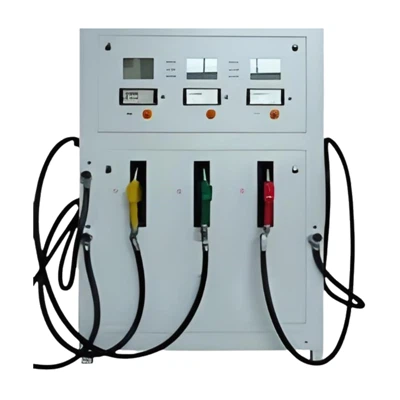
As a supplier to Mini Petrol Stations, I've gained valuable insights into how these compact yet vital fueling hubs manage their supply chains. In this blog, I'll delve into the intricacies of their operations, from sourcing fuel to delivering it to customers, and explore the strategies and challenges involved.
Sourcing Fuel
The first step in the supply chain of a Mini Petrol Station is sourcing fuel. Unlike large - scale petrol stations, Mini Petrol Stations often have more limited storage capacity and a more localized customer base. This means they need to be strategic about where they obtain their fuel.
Many Mini Petrol Stations source their fuel from local refineries or fuel distributors. These local suppliers offer several advantages. Firstly, proximity reduces transportation costs and lead times. For example, if a Mini Petrol Station is located in a small town, sourcing from a nearby refinery means that fuel can be delivered within hours, minimizing the risk of running out of stock.
Secondly, local suppliers are more likely to understand the specific needs and market conditions of the area. They can work closely with Mini Petrol Station owners to ensure that the right types and quantities of fuel are supplied. For instance, in an area with a high number of diesel - powered vehicles, the local distributor can prioritize supplying diesel to the Mini Diesel Station "Mini Diesel Station".
However, sourcing from local suppliers also has its challenges. Local refineries may have limited production capacity, which could lead to supply shortages during peak demand periods. Additionally, the quality of fuel can vary from one supplier to another, so Mini Petrol Station owners need to carefully vet their suppliers to ensure that they meet the required standards.
Some Mini Petrol Stations also consider sourcing fuel from larger, national suppliers. These suppliers often have a more stable supply and can offer competitive prices due to economies of scale. But they may have longer lead times and higher transportation costs, especially for remote locations.

Inventory Management
Once the fuel is sourced, effective inventory management is crucial for Mini Petrol Stations. Due to their limited storage capacity, overstocking can be a significant problem as it ties up capital and increases the risk of fuel degradation. On the other hand, understocking can lead to lost sales and dissatisfied customers.
To manage their inventory, Mini Petrol Stations use a combination of historical sales data, market trends, and real - time monitoring. By analyzing past sales patterns, they can predict the demand for different types of fuel at different times of the day, week, and year. For example, a Mini Petrol Station near a tourist attraction may experience higher demand during the summer months.
Real - time monitoring systems are also essential. These systems use sensors to track the fuel levels in the storage tanks. When the fuel level reaches a certain threshold, an alert is sent to the station owner or the supplier, triggering a reorder. This helps to ensure that the station always has an adequate supply of fuel without overstocking.
Another aspect of inventory management is fuel rotation. Fuel has a limited shelf life, and over time, it can degrade, especially in hot and humid conditions. Mini Petrol Stations need to ensure that the oldest fuel is sold first to prevent it from going bad. This requires proper labeling and organization of the storage tanks.
Transportation and Delivery
Transporting fuel from the supplier to the Mini Petrol Station is a critical part of the supply chain. Safety is the top priority in this process, as fuel is a highly flammable and hazardous substance.
Most fuel is transported by specialized tanker trucks. These trucks are designed to prevent spills and leaks and are equipped with safety features such as emergency shut - off valves and fire suppression systems. The drivers of these trucks are also required to have special training and certifications to handle hazardous materials.
The frequency of deliveries depends on several factors, including the station's storage capacity, the demand for fuel, and the distance to the supplier. Smaller Mini Petrol Stations with limited storage may require more frequent deliveries, sometimes daily or even multiple times a day.
Route planning is also an important consideration. The most efficient routes are chosen to minimize transportation time and costs. This may involve using GPS technology to avoid traffic congestion and find the shortest paths. However, in some cases, safety concerns may take precedence over efficiency, and alternative routes may be chosen.
Customer Service and Demand Management
Mini Petrol Stations need to balance their supply chain management with providing excellent customer service. Understanding customer demand is key to this. By offering a variety of services, such as car washes, convenience stores, and loyalty programs, they can attract and retain customers.
For example, a Mini Petrol Station that offers a well - stocked convenience store can increase customer loyalty as it provides added value. Customers are more likely to return to a station where they can not only fill up their tanks but also purchase snacks, drinks, and other essentials.
To manage demand, Mini Petrol Stations can also use pricing strategies. During off - peak hours, they may offer discounts to encourage more customers to fill up their tanks. This helps to smooth out the demand throughout the day and makes better use of their inventory.
Challenges and Solutions
Mini Petrol Stations face several challenges in managing their supply chains. One of the biggest challenges is dealing with price fluctuations in the fuel market. Fuel prices are influenced by a variety of factors, including global oil prices, taxes, and transportation costs. These fluctuations can make it difficult for Mini Petrol Stations to plan their budgets and set competitive prices.
To address this challenge, some Mini Petrol Stations enter into long - term contracts with their suppliers. These contracts can provide price stability for a certain period, allowing the station to better manage its costs. However, long - term contracts also come with risks, such as the possibility of paying a higher price if the market price of fuel drops.
Another challenge is competition from larger petrol stations and other alternative fuel providers. Larger stations may have more resources to invest in marketing and offer lower prices due to economies of scale. To compete, Mini Petrol Stations need to focus on their unique selling points, such as personalized service, convenient locations, and a friendly atmosphere.
In addition, environmental regulations are becoming increasingly strict, which requires Mini Petrol Stations to invest in more environmentally friendly technologies. For example, they may need to upgrade their storage tanks to prevent leaks and reduce emissions. This can be a significant financial burden, but it is also necessary to comply with the law and meet the growing environmental concerns of customers.
Conclusion
Managing the supply chain of a Mini Petrol Station "Mini Petrol Station" is a complex but rewarding task. By carefully sourcing fuel, managing inventory, ensuring safe transportation, providing excellent customer service, and addressing the various challenges, these stations can operate efficiently and profitably.
If you are a Mini Petrol Station owner or are interested in setting up a Mini Petrol Station, I'd be more than happy to discuss how our supply solutions can meet your specific needs. We have years of experience in the industry and can provide you with high - quality fuel, reliable delivery, and competitive prices. Contact us to start a procurement discussion and take your Mini Petrol Station to the next level.
References
- Smith, J. (2020). Supply Chain Management in the Fuel Industry. Journal of Energy and Supply Chain.
- Brown, A. (2019). Inventory Management Strategies for Small - Scale Petrol Stations. Logistics and Distribution Review.
- Green, C. (2021). Environmental Regulations and the Future of Mini Petrol Stations. Environmental Science and Policy Journal.