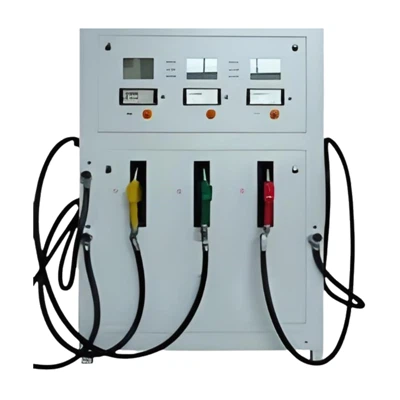
Hey there! I'm a supplier for Mini Petrol Stations, and today I wanna chat about how these little fuel spots price their fuel. It's a topic that's kinda complex but also super interesting, so let's dive right in.
First off, let's understand what a Mini Petrol Station is. You can check out more about them on this Mini Petrol Station link. These stations are smaller in scale compared to the big, traditional ones. They're often more flexible in location and can serve areas where a full - fledged station might not be feasible. There are also Mini Diesel Station options available, which follow a similar pricing logic in many ways.
One of the most important factors in fuel pricing is the cost of crude oil. Crude oil is the raw material from which petrol and diesel are refined. The global market for crude oil is highly volatile. Prices can go up or down based on a whole bunch of things like geopolitical tensions, production cuts by major oil - producing countries, and changes in global demand. For example, if there's a conflict in the Middle East, which is a major oil - producing region, the supply of crude oil might be disrupted. This reduction in supply can cause the price of crude oil to spike on the international market.
As a supplier, I keep a close eye on these global crude oil prices. When the price of crude oil goes up, it directly affects the cost of the fuel I supply to Mini Petrol Stations. And naturally, the stations have to adjust their prices accordingly. But it's not as simple as just passing on the entire increase to the customers. Mini Petrol Stations need to be competitive in their local markets.
Another cost factor is the refining process. Once the crude oil is extracted, it needs to be refined into petrol and diesel. Refining costs can vary depending on the complexity of the refining process, the quality of the crude oil, and the efficiency of the refinery. Some types of crude oil are easier to refine than others, and refineries that are more modern and efficient can produce fuel at a lower cost. Mini Petrol Stations need to factor in these refining costs when setting their prices. If the refining costs increase, say due to new environmental regulations that require more advanced refining techniques, the stations may have to raise their prices.
Transportation costs also play a big role. Getting the fuel from the refinery to the Mini Petrol Station isn't free. There are costs associated with shipping the fuel, whether it's by tanker trucks or pipelines. The distance between the refinery and the station matters a lot. If a Mini Petrol Station is located in a remote area, the transportation costs are likely to be higher. This is because the tanker trucks have to travel longer distances, which means more fuel for the trucks themselves and more wear and tear on the vehicles. As a result, stations in remote areas may have to charge slightly more for their fuel to cover these additional transportation costs.
Taxes are another significant component of fuel pricing. Governments around the world levy various taxes on fuel. These taxes can include excise taxes, sales taxes, and environmental taxes. The amount of tax can vary greatly from one region to another. In some countries, taxes can account for a large portion of the final price of fuel. For example, in some European countries, taxes on fuel can be as high as 50% or more of the total price. Mini Petrol Stations have no control over these taxes, but they have to include them in the price they charge customers.
Now, let's talk about the local market competition. Mini Petrol Stations operate in a competitive environment. They're up against other Mini Petrol Stations as well as larger, more established petrol stations in the area. If a Mini Petrol Station sets its prices too high compared to its competitors, customers are likely to go elsewhere to fill up their tanks. So, stations need to find a balance between covering their costs and remaining competitive. They might offer promotions, loyalty programs, or discounts to attract customers. For instance, a station might offer a discount on fuel if a customer also buys a certain amount of snacks or drinks from the station's convenience store.
As a supplier, I work closely with Mini Petrol Stations to help them manage their pricing. I provide them with information about the cost trends, such as changes in crude oil prices and refining costs. I also give them advice on how to be competitive in their local markets. Sometimes, I might offer them better deals on the fuel I supply to help them keep their prices down.
In addition to these factors, there are also some long - term trends that can affect fuel pricing. The growing demand for alternative fuels, like electric vehicles, is starting to have an impact on the petrol and diesel market. As more people switch to electric cars, the demand for traditional fuels may decline over time. This could lead to lower prices in the long run as the market becomes more saturated. However, in the short - term, the demand for petrol and diesel is still strong, especially in areas where the infrastructure for electric vehicles is not well - developed.


So, how do Mini Petrol Stations actually set their prices? Well, they usually start by looking at the cost of the fuel they buy from suppliers like me. Then they add on the transportation costs, taxes, and a margin to cover their operating expenses and make a profit. After that, they take a look at what their competitors are charging and adjust their prices accordingly. It's a constantly evolving process, and they need to be flexible to respond to changes in the market.
If you're thinking about setting up a Mini Petrol Station or are just interested in learning more about fuel pricing, I'd love to have a chat. I can provide you with more in - depth information about the supply side and help you understand how to price your fuel competitively. Whether you're looking at a Mini Petrol Station or a Mini Diesel Station, I've got the knowledge and experience to assist you. Reach out if you want to start a conversation about procurement and pricing.
References
- Energy Information Administration reports on crude oil prices and market trends.
- Industry publications on fuel refining and transportation costs.
- Local government tax policies on fuel.