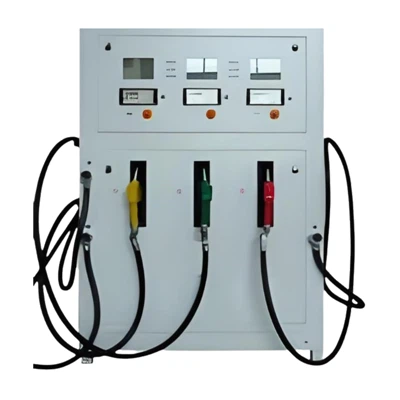
In the dynamic world of fuel distribution, mobile filling stations have emerged as a game - changer, offering flexibility and convenience to a wide range of customers. As a supplier of Mobile Filling Station, I understand the critical importance of ensuring fuel quality. In this blog, I will delve into the various ways in which mobile filling stations guarantee the high - quality of the fuel they dispense.
1. Source Selection
The journey to ensuring fuel quality begins at the source. We carefully select our fuel suppliers. We partner with well - established and reputable refineries that adhere to strict international and national fuel quality standards. These refineries are equipped with advanced refining technologies and quality control systems. For example, they use processes like hydrocracking and catalytic reforming to produce fuels with the right chemical composition, low sulfur content, and high energy density.
We conduct regular audits of our suppliers' facilities. Our team of experts visits the refineries to assess their production processes, storage conditions, and quality control measures. This on - site inspection helps us verify that the fuel is produced under optimal conditions and meets our strict quality requirements. By choosing reliable suppliers, we can ensure that the fuel that enters our mobile filling stations is of the highest quality.
2. Storage and Handling
Once the fuel is sourced, proper storage and handling are crucial to maintaining its quality. Our Mobile Diesel Station and Portable Diesel Station are designed with state - of - the - art storage tanks. These tanks are made of high - quality materials that are resistant to corrosion and leakage. They are also equipped with advanced ventilation systems to prevent the build - up of harmful vapors and to maintain a stable temperature inside the tank.
We follow strict protocols for fuel loading and unloading. Before loading the fuel into our mobile filling stations, we ensure that the storage tanks are clean and free from any contaminants. During the loading process, we use filters to remove any solid particles or water that may be present in the fuel. Similarly, when unloading the fuel at the customer's site, we take precautions to prevent any spillage or contamination.
3. Quality Testing
Regular quality testing is an essential part of our fuel quality assurance process. We have a comprehensive in - house testing laboratory where we conduct a series of tests on the fuel samples. These tests include measuring the density, viscosity, flash point, and cetane number (for diesel fuel) or octane number (for gasoline). These parameters are critical in determining the fuel's performance and compatibility with different engines.
We also test for the presence of contaminants such as water, sediment, and sulfur. High levels of these contaminants can cause engine damage and reduce fuel efficiency. By regularly testing the fuel, we can detect any quality issues early and take corrective actions. In addition to our in - house testing, we also send samples to independent third - party laboratories for verification. This provides an extra layer of assurance and helps us maintain the highest level of fuel quality.
4. Monitoring and Traceability
We implement a real - time monitoring system to track the quality of the fuel throughout its journey from the refinery to the customer. Our mobile filling stations are equipped with sensors that continuously monitor the fuel's temperature, pressure, and other important parameters. This data is transmitted to our central control center, where our experts can analyze it in real - time.
In case of any deviations from the normal parameters, we can immediately take action to address the issue. For example, if the temperature of the fuel in the storage tank is too high, we can adjust the ventilation system to bring it back to the optimal level.


We also maintain a detailed record of every batch of fuel, including its source, production date, quality test results, and the locations where it was dispensed. This traceability system allows us to quickly identify and resolve any quality - related issues. If a customer reports a problem with the fuel, we can easily trace the batch back to its source and take appropriate measures.
5. Staff Training
Our staff plays a crucial role in ensuring fuel quality. We provide comprehensive training to all our employees, from the drivers who operate the mobile filling stations to the quality control personnel in the laboratory. The training covers various aspects of fuel handling, storage, and quality assurance.
Our drivers are trained to follow strict safety and quality protocols when loading, transporting, and unloading the fuel. They are also educated on how to detect and report any signs of fuel quality issues. The quality control personnel are trained in the latest testing techniques and equipment. They are responsible for conducting accurate and reliable fuel tests and ensuring that all the quality standards are met.
6. Continuous Improvement
The fuel industry is constantly evolving, and so are the quality standards. We are committed to continuous improvement in our fuel quality assurance processes. We stay updated with the latest industry trends and technological advancements. For example, we are exploring the use of new fuel additives that can enhance the performance and quality of the fuel.
We also actively seek feedback from our customers. Their experiences and suggestions help us identify areas for improvement. By listening to our customers, we can better meet their needs and expectations and ensure that our mobile filling stations continue to provide high - quality fuel.
Conclusion
Ensuring fuel quality is a multi - faceted process that requires careful attention to every detail, from source selection to customer delivery. As a supplier of mobile filling stations, we are dedicated to providing our customers with the highest - quality fuel. Our commitment to quality is reflected in our strict sourcing, storage, testing, monitoring, and training processes.
If you are in need of a reliable mobile filling station solution, we invite you to contact us for a procurement discussion. We are ready to work with you to meet your fueling needs and provide you with the best possible service.
References
- ASTM International. (2023). ASTM standards for fuel quality.
- European Union. (2023). Fuel quality regulations in the EU.
- International Organization for Standardization (ISO). (2023). ISO standards for fuel quality.