Hey there! I'm a supplier of mobile fuel stations, and I've been in this game for quite a while. One of the most common questions I get asked is how we handle fuel delivery scheduling. Well, let me break it down for you.
First off, understanding the needs of our customers is key. Every client has different fuel requirements, whether it's for a construction site, a fleet of vehicles, or an event. We start by having a detailed conversation with them to figure out how much fuel they'll need, how often they'll need it, and what type of fuel (gasoline, diesel, etc.). This initial step is crucial as it sets the foundation for our scheduling process.
Once we've gathered all the necessary information, we use a combination of software and good old - fashioned human judgment to create a delivery schedule. Our scheduling software takes into account factors like the customer's location, the size of their fuel tank, and their usage patterns. It also considers our own inventory levels and the availability of our delivery trucks.
Let's say we have a construction site that uses a large amount of diesel fuel. Based on their estimated daily usage and the size of their on - site fuel tank, we can calculate how often we need to make a delivery. If they have a 10,000 - liter tank and use about 2,000 liters per day, we'll aim to refill the tank every 4 - 5 days to ensure they never run out.
But it's not just about the math. We also have to factor in real - world variables. For example, traffic conditions can have a big impact on our delivery times. If a particular area is known for heavy traffic during certain hours of the day, we'll schedule our deliveries outside of those peak times to avoid delays.
Another important aspect is emergency situations. Sometimes, a customer might run out of fuel unexpectedly or have an urgent need due to an unforeseen event. In these cases, we have a system in place to prioritize these emergency deliveries. We keep a certain amount of fuel in reserve and have a team on standby to respond quickly.
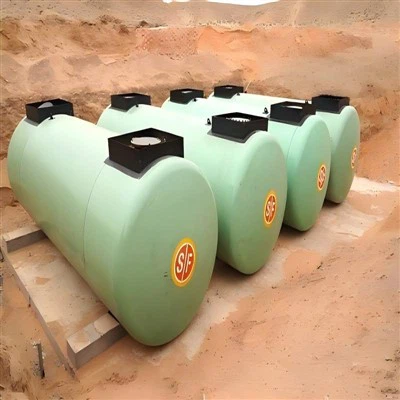
Now, let's talk about the different types of mobile fuel stations we offer. We have Container Gas Station, which are great for long - term or large - scale operations. These are like mini - gas stations on wheels and can store a significant amount of fuel. They're also very secure and come with all the necessary safety features.
Then there's the Portable Petrol Station. These are more compact and are perfect for smaller operations or for situations where you need to move the fuel station around frequently. They're easy to set up and can be transported to different locations with relative ease.
And of course, we have the Portable Diesel Station. Diesel is a popular choice for many industries, especially in construction and transportation. Our portable diesel stations are designed to meet the high - demand needs of these sectors.
When it comes to scheduling deliveries for these different types of stations, we have to be flexible. Each type has its own unique characteristics, and we need to adjust our schedules accordingly. For example, a container gas station might require less frequent but larger deliveries, while a portable petrol station might need more frequent but smaller refills.
We also work closely with our customers to make sure the delivery schedule is convenient for them. We understand that their operations are running on a tight schedule, and we don't want to disrupt their work. So, we try to coordinate with them to find the best time for fuel delivery.
In addition to customer needs, we also have to comply with various regulations. There are strict rules regarding fuel storage, transportation, and delivery. We make sure that all our operations are in line with these regulations to ensure the safety of everyone involved.
To keep track of everything, we use a real - time monitoring system. This allows us to see the status of our fuel inventory, the location of our delivery trucks, and the delivery schedules. It also helps us to quickly identify any issues or delays and take appropriate action.


So, in summary, handling fuel delivery scheduling for mobile fuel stations is a complex but manageable process. It involves understanding customer needs, using technology to optimize schedules, being flexible to handle unexpected situations, and complying with regulations.
If you're in the market for a mobile fuel station or need help with fuel delivery scheduling, don't hesitate to reach out. We're here to provide you with the best solutions for your fueling needs. Whether you're a small business or a large corporation, we have the expertise and resources to meet your requirements.
References
- Industry best practices in fuel delivery scheduling
- Regulations on fuel storage and transportation