Hey there! I'm a supplier of Mobile Gasoline Stations, and today I wanna chat about how these mobile setups prevent fuel evaporation. It's a crucial aspect, not just for saving fuel but also for environmental reasons.
First off, let's understand why fuel evaporation is a big deal. Gasoline is a volatile liquid, which means it easily turns into vapor. When this happens, we lose fuel, and it can also contribute to air pollution. The vapors contain hydrocarbons, which are harmful to the environment and can form smog. So, preventing evaporation is a win - win situation.
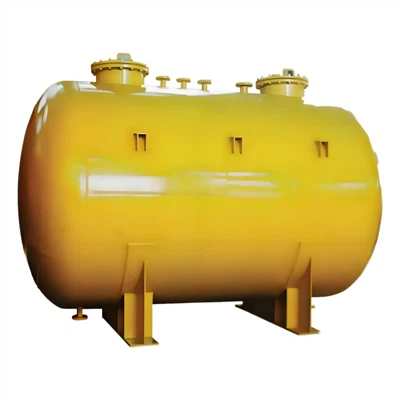
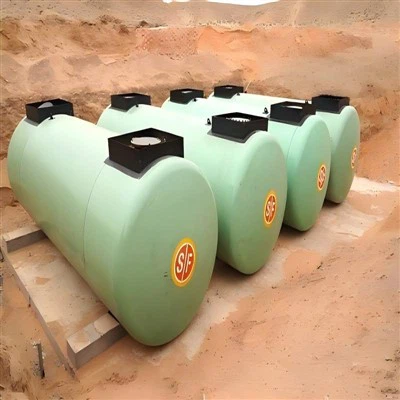
One of the key ways mobile gasoline stations prevent fuel evaporation is through proper storage. Our Mobile Gasoline Station units are designed with high - quality storage tanks. These tanks are made from materials that are resistant to corrosion and leakage. For example, they're often constructed from thick - walled steel or high - density polyethylene. These materials create a tight seal around the fuel, reducing the chances of vapor escaping.


Another important feature is the use of vapor recovery systems. These systems are like little vacuum cleaners for fuel vapors. When you're filling up a vehicle at a mobile gasoline station, the system captures the vapors that are displaced from the vehicle's fuel tank. Instead of letting these vapors escape into the air, they're sent back into the storage tank. This not only prevents evaporation but also ensures that the fuel is used efficiently.
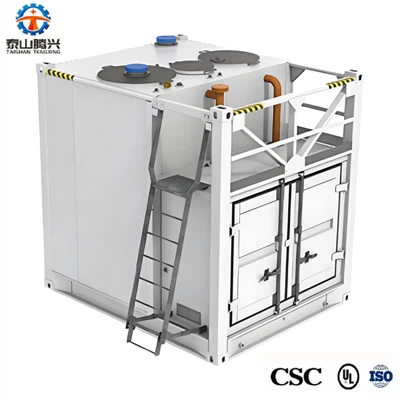
We also pay close attention to the temperature control of the fuel. Gasoline evaporates more quickly at higher temperatures. That's why our mobile stations are equipped with insulation and cooling mechanisms. The insulation helps to keep the fuel at a stable temperature, while the cooling systems can actively lower the temperature if needed. This way, we can significantly reduce the rate of evaporation.
Proper maintenance is also essential. Regular inspections of the storage tanks, pipes, and valves are carried out to make sure there are no leaks. Even a small leak can lead to significant fuel evaporation over time. We train our customers on how to perform basic maintenance checks, such as looking for signs of corrosion or damage on the equipment.
Now, let's talk about the design of the dispensing nozzles. The nozzles on our Mobile Filling Station are designed to minimize evaporation during the filling process. They have a tight seal that fits snugly into the vehicle's fuel tank opening. This prevents vapors from escaping around the nozzle. Additionally, the flow rate of the fuel is carefully controlled to ensure a smooth and efficient filling process.
In addition to these technical measures, we also follow strict safety and environmental regulations. These regulations are in place to protect the environment and ensure the safe operation of mobile gasoline stations. By adhering to these rules, we can be confident that our stations are operating at their best in terms of preventing fuel evaporation.
For those who are interested in diesel, our Mobile Diesel Station also has similar features. Diesel is less volatile than gasoline, but it still can evaporate, especially in hot conditions. The same principles of proper storage, vapor recovery, temperature control, and maintenance apply.
If you're in the market for a mobile gasoline station or are looking to upgrade your existing one, we've got you covered. Our products are designed with the latest technology to prevent fuel evaporation and ensure efficient and safe operation. Whether you're a small business owner who needs a mobile station for on - site refueling or a large company with a fleet of vehicles, we can provide the right solution for you.
Contact us to start a procurement discussion. We're always happy to answer your questions and help you find the best mobile gasoline station for your needs.
References
- "Fuel Evaporation and Its Control in Mobile Fuel Stations" - Industry Research Report
- "Best Practices for Preventing Fuel Loss in Mobile Gasoline Stations" - Environmental Protection Journal
- "The Science of Fuel Vapor Recovery" - Petroleum Engineering Magazine