Hey there! I'm a supplier of Mobile Diesel Stations, and today I'm gonna walk you through how these nifty machines work.
The Basics of a Mobile Diesel Station
First off, let's talk about what a Mobile Diesel Station is. It's a portable and flexible solution for fueling vehicles and equipment on - the - go. Unlike traditional fixed fuel stations, a Mobile Diesel Station can be moved around easily to different locations where fuel is needed. You can check out more about it here: Mobile Diesel Station.
Fuel Storage
The heart of a Mobile Diesel Station is its fuel storage tank. This tank is designed to hold a significant amount of diesel fuel. It's made from high - quality materials that are resistant to corrosion and leakage. The size of the tank can vary depending on the specific model of the Mobile Diesel Station. Some smaller ones might hold a few hundred liters, while larger, industrial - grade units can store several thousand liters.
The tank is equipped with a series of safety features. There's a level gauge that allows operators to monitor the amount of fuel inside the tank at any time. This is crucial to avoid over - filling or running out of fuel unexpectedly. Also, there are vents to release any built - up pressure inside the tank, preventing potential explosions or damage.
Fuel Transfer System
Once the diesel is stored in the tank, it needs to be transferred to the vehicles or equipment that need fuel. That's where the fuel transfer system comes in.
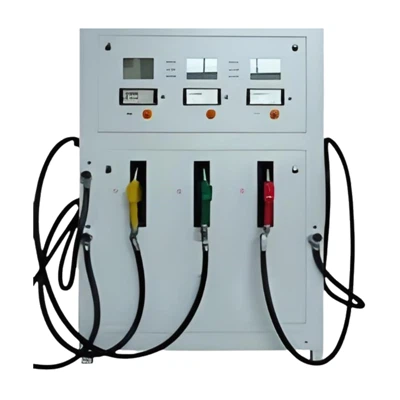
The system typically consists of a pump, hoses, and a nozzle. The pump is the key component here. It's usually an electric or diesel - powered pump, depending on the design of the Mobile Diesel Station. The pump creates the pressure needed to move the diesel from the storage tank through the hoses and out of the nozzle.
The hoses are made of durable materials that can withstand the flow of diesel fuel. They are long enough to reach the fuel inlets of different types of vehicles and equipment. And the nozzle is the part that the operator uses to control the flow of fuel. It has a trigger mechanism that can be squeezed to start and stop the fuel flow.
Filtration and Quality Control
Diesel fuel needs to be clean before it's transferred to a vehicle's engine. That's why Mobile Diesel Stations are equipped with filtration systems. These filters remove any dirt, debris, or water that might be present in the diesel fuel.
There are usually multiple stages of filtration. The first stage might be a coarse filter that catches larger particles. Then, there are finer filters that remove smaller contaminants. This ensures that the diesel fuel delivered to the vehicles is of high quality, which helps to protect the engines from damage and improve their performance.
Metering and Billing
Many Mobile Diesel Stations also come with metering systems. These systems measure the amount of fuel that is being dispensed. The meter records the volume of diesel in liters or gallons, depending on the local measurement standard.
This metering is important for both the supplier and the customer. For the supplier, it helps to keep track of the fuel inventory and calculate the revenue. For the customer, it ensures that they are paying for the exact amount of fuel they receive. Some advanced Mobile Diesel Stations even have the ability to generate invoices on - the - spot, making the billing process quick and easy.
Mobility and Installation
As the name suggests, mobility is one of the key features of a Mobile Diesel Station. These stations are designed to be easily transported. They can be mounted on trailers, trucks, or other mobile platforms. This allows them to be moved to construction sites, mining areas, agricultural fields, or any other location where fuel is required.
Installation is also relatively straightforward. Once the Mobile Diesel Station is transported to the desired location, it can be quickly set up. The station needs to be properly grounded to prevent static electricity buildup, which could potentially cause a fire or explosion. And the hoses and nozzles need to be connected correctly to ensure a smooth fueling process.
Comparison with Other Mobile Fuel Stations
There are also other types of mobile fuel stations, like Mobile Gasoline Station and Portable Gasoline Station. While they share some similarities with Mobile Diesel Stations, there are also some differences.
Gasoline is more volatile than diesel, so the safety requirements for Mobile Gasoline Stations are often more stringent. The storage tanks and transfer systems need to be designed to handle the higher flammability of gasoline. Diesel, on the other hand, is less likely to ignite, which makes Mobile Diesel Stations a bit easier to manage in some aspects.
Maintenance and Safety
Regular maintenance is essential for the proper functioning of a Mobile Diesel Station. The fuel storage tank needs to be inspected for any signs of corrosion or damage. The pumps, hoses, and nozzles should be checked for leaks and wear. The filters need to be replaced at regular intervals to ensure efficient filtration.
Safety is also a top priority. Operators should be trained on how to use the Mobile Diesel Station safely. They need to follow proper procedures when fueling vehicles, such as grounding the vehicle before fueling to prevent static discharge. There should also be fire - extinguishing equipment nearby in case of an emergency.


Why Choose Our Mobile Diesel Stations
Our Mobile Diesel Stations are built with the latest technology and high - quality materials. They are reliable, easy to operate, and offer excellent performance. Whether you're a small - scale business or a large industrial operation, our stations can meet your fueling needs.
We offer a wide range of models with different tank capacities and features. And our customer service team is always ready to assist you with any questions or concerns you might have.
Conclusion
In conclusion, a Mobile Diesel Station is a practical and efficient solution for on - the - go fueling. It works by storing diesel in a tank, transferring it through a pump and hoses, filtering it for quality control, and metering it for accurate billing. With its mobility and flexibility, it can be a great asset for many industries.
If you're interested in purchasing a Mobile Diesel Station, I encourage you to reach out to us for more information and to start a procurement discussion. We're eager to work with you and provide the best fueling solution for your needs.
References
- "Handbook of Fuel Storage and Distribution"
- "Mobile Fueling Systems: Design and Operation"