How long does a Mobile Diesel Station usually last?
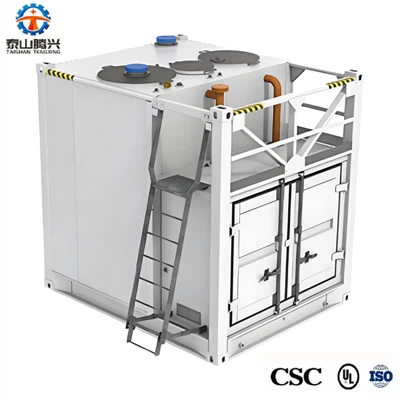
As a supplier of Mobile Diesel Stations, I often get asked about the lifespan of these essential pieces of equipment. The durability and longevity of a Mobile Diesel Station are influenced by a variety of factors, including the quality of construction, maintenance practices, and usage patterns. In this blog post, I'll delve into these factors and provide an in - depth analysis of how long a Mobile Diesel Station can typically last.
Quality of Construction
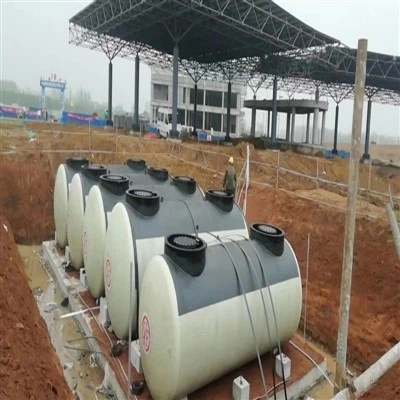
The foundation of a long - lasting Mobile Diesel Station lies in its construction quality. High - end Mobile Diesel Stations are built with robust materials that can withstand harsh environmental conditions. For instance, the storage tanks are usually made of high - grade steel that is resistant to corrosion. This is crucial because diesel fuel can be corrosive over time, and a tank that succumbs to corrosion will not only have a shorter lifespan but can also pose safety risks.
The pumps and other mechanical components are also of great importance. Well - engineered pumps are designed to operate efficiently for extended periods. They are made with precision - machined parts that reduce wear and tear. Additionally, the electrical systems in a Mobile Diesel Station need to be properly insulated and protected from moisture and dust. A Mobile Diesel Station that is constructed with these high - quality components from a reputable manufacturer can have a significantly longer lifespan.
Maintenance Practices
Regular maintenance is the key to ensuring the longevity of a Mobile Diesel Station. Just like any other complex machinery, a Mobile Diesel Station requires routine check - ups and servicing. One of the most important maintenance tasks is fuel filtration. Diesel fuel can contain impurities such as dirt, water, and debris. If these impurities are not removed, they can cause damage to the pumps and injectors, leading to reduced performance and a shorter lifespan.
The storage tanks also need to be inspected regularly for signs of corrosion or leakage. Any minor issues should be addressed immediately to prevent them from escalating into major problems. The pumps should be lubricated as per the manufacturer's recommendations, and the seals should be checked for wear. Electrical components should be inspected for loose connections or signs of overheating.
Proper cleaning is also essential. The exterior of the Mobile Diesel Station should be cleaned regularly to prevent the build - up of dirt and grime, which can accelerate corrosion. Inside the station, the fuel lines and filters should be cleaned to ensure smooth fuel flow.
Usage Patterns
The way a Mobile Diesel Station is used can have a significant impact on its lifespan. If the station is used continuously at a high capacity, it will experience more wear and tear compared to one that is used intermittently or at a lower capacity. For example, a Mobile Diesel Station that is used to refuel heavy - duty trucks on a busy construction site will likely have a shorter lifespan than one that is used for occasional refueling of smaller vehicles.

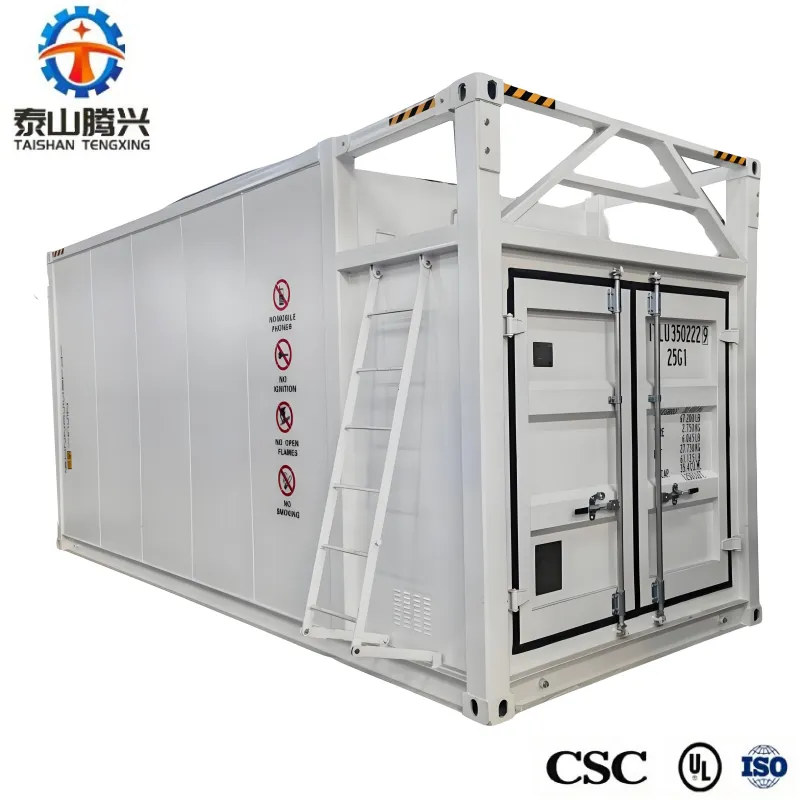
The operating environment also plays a role. Mobile Diesel Stations that are used in extreme temperatures, either very hot or very cold, may face additional challenges. In hot climates, the fuel can expand, putting extra pressure on the storage tanks and components. In cold climates, the fuel may thicken, making it more difficult for the pumps to operate.
Typical Lifespan
On average, a well - maintained Mobile Diesel Station can last anywhere from 10 to 20 years. However, this is a rough estimate, and the actual lifespan can vary depending on the factors mentioned above. A Mobile Diesel Station that is built with high - quality materials, undergoes regular maintenance, and is used under normal conditions is more likely to reach the upper end of this range.
If a Mobile Diesel Station is not properly maintained or is used in harsh conditions, its lifespan can be significantly reduced. For example, a station that is exposed to saltwater or highly corrosive environments may only last 5 to 10 years.
Extending the Lifespan
There are several steps that can be taken to extend the lifespan of a Mobile Diesel Station. First, invest in a high - quality station from a reputable manufacturer. This may cost more upfront, but it will pay off in the long run. Second, establish a comprehensive maintenance schedule and stick to it. This includes regular inspections, cleaning, and servicing.
Third, monitor the usage of the station. If it is being used at a high capacity for extended periods, consider implementing measures to reduce the load, such as adding additional stations or optimizing the refueling process. Finally, protect the station from extreme environmental conditions. This may involve installing insulation or using covers to shield it from the elements.
Our Offerings
As a supplier of Mobile Diesel Stations, we offer a range of high - quality products that are designed to last. Our stations are built with the latest technology and the best materials, ensuring maximum durability and performance. We also provide comprehensive after - sales support, including maintenance and repair services.
If you are in the market for a Mobile Diesel Station, or if you are interested in our Portable Gasoline Station or Portable Petrol Station options, we invite you to visit our Mobile Diesel Station page to learn more about our products. We are always ready to discuss your specific needs and requirements and help you find the perfect solution for your fueling needs.
Conclusion
The lifespan of a Mobile Diesel Station is influenced by multiple factors, including construction quality, maintenance, and usage patterns. With proper care and the right choice of equipment, you can expect your Mobile Diesel Station to serve you well for many years. If you have any questions or are interested in purchasing a Mobile Diesel Station, don't hesitate to reach out to us. We look forward to the opportunity to work with you and provide you with a reliable and long - lasting fueling solution.
References
- Diesel Fuel Systems Handbook, various authors
- Mobile Equipment Maintenance Best Practices, industry publications