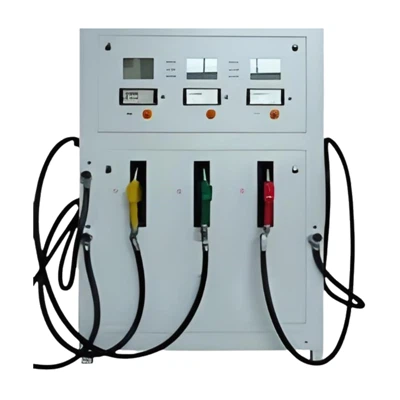
As a supplier of above ground fuel tanks, I understand the critical importance of detecting leaks in these tanks. Leaks not only lead to fuel loss, which can be costly, but also pose significant environmental and safety risks. In this blog post, I will share some effective methods for detecting leaks in above ground fuel tanks.
Visual Inspection
The first and most straightforward method is a visual inspection. This involves a thorough examination of the tank's exterior for any signs of leakage. Look for wet spots, stains, or puddles around the tank. Pay close attention to areas where the tank is connected to pipes, valves, and fittings, as these are common areas for leaks to occur.
Inspect the tank's surface for any signs of corrosion or damage. Corrosion can weaken the tank's structure and lead to leaks over time. If you notice any rust, dents, or cracks, it's important to address them promptly.
Pressure Testing
Pressure testing is a more advanced method for detecting leaks. This involves pressurizing the tank with air or an inert gas and monitoring the pressure over a period of time. If the pressure drops, it indicates that there is a leak in the tank.
To perform a pressure test, you will need a pressure gauge and a source of compressed air or gas. First, seal all the openings in the tank, including the fill port, vent, and any other connections. Then, slowly pressurize the tank to a predetermined pressure. Monitor the pressure gauge for any drops over a specified period, typically 15 to 30 minutes.


If the pressure drops, it's important to locate the source of the leak. This can be done by using a soap solution to check for bubbles at the connections and joints. Apply the soap solution to the suspected areas and look for bubbles, which indicate the presence of a leak.
Ultrasonic Testing
Ultrasonic testing is a non-destructive testing method that can be used to detect leaks in above ground fuel tanks. This method uses high-frequency sound waves to detect changes in the tank's structure.
To perform an ultrasonic test, a technician will use an ultrasonic transducer to send sound waves into the tank. The sound waves will bounce off the internal surfaces of the tank and return to the transducer. If there is a leak in the tank, the sound waves will be disrupted, and the technician will be able to detect the change.
Ultrasonic testing is a highly accurate method for detecting leaks, but it requires specialized equipment and trained technicians. It's also important to note that ultrasonic testing can only detect leaks that are located within the range of the sound waves.
Liquid Level Monitoring
Another method for detecting leaks in above ground fuel tanks is liquid level monitoring. This involves regularly measuring the fuel level in the tank and comparing it to the expected level based on the amount of fuel that has been added or removed.
If the fuel level drops more than expected, it could indicate a leak in the tank. To perform liquid level monitoring, you can use a dipstick or a fuel level gauge. Make sure to record the fuel level at the same time each day to ensure accurate measurements.
Vapor Detection
Vapor detection is a method for detecting leaks in above ground fuel tanks by monitoring the air around the tank for the presence of fuel vapors. This can be done using a vapor detector, which is a device that can detect the presence of fuel vapors in the air.
To perform vapor detection, place the vapor detector near the tank and monitor the readings. If the detector indicates the presence of fuel vapors, it could indicate a leak in the tank. It's important to note that vapor detection can only detect leaks that are releasing fuel vapors into the air.
Conclusion
Detecting leaks in above ground fuel tanks is essential for ensuring the safety and efficiency of your fuel storage system. By using a combination of visual inspection, pressure testing, ultrasonic testing, liquid level monitoring, and vapor detection, you can effectively detect and address any leaks in your tank.
As a supplier of Above Ground Gasoline Tank, Above Ground Gasoline Fuel Tank, and Above Ground Diesel Fuel Tank, I am committed to providing high-quality fuel tanks and reliable leak detection solutions. If you have any questions or need assistance with leak detection or fuel tank maintenance, please feel free to contact us. We would be happy to help you ensure the safety and efficiency of your fuel storage system.
References
- American Petroleum Institute (API). API Standard 653: Tank Inspection, Repair, Alteration, and Reconstruction.
- National Fire Protection Association (NFPA). NFPA 30: Flammable and Combustible Liquids Code.
- Environmental Protection Agency (EPA). Underground Storage Tank Regulations.