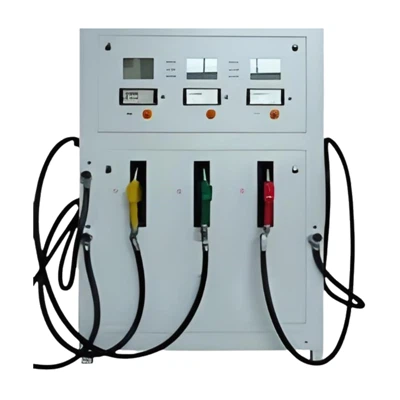
Disposing of an old above ground fuel tank is a critical process that requires careful planning, strict adherence to safety protocols, and compliance with environmental regulations. As a supplier of above ground fuel tanks, I understand the importance of proper disposal not only for the safety of individuals but also for the protection of the environment. In this blog, I will provide a comprehensive guide on how to dispose of an old above ground fuel tank safely and responsibly.
Step 1: Assess the Tank's Condition
Before you begin the disposal process, it is essential to assess the condition of the fuel tank. This assessment will help you determine the best course of action for disposal. Check for signs of corrosion, leaks, or structural damage. If the tank is severely damaged or corroded, it may need to be disposed of as hazardous waste. On the other hand, if the tank is in relatively good condition, it may be possible to recycle or repurpose it.


Step 2: Empty the Tank Completely
The first and most crucial step in disposing of an above ground fuel tank is to empty it completely. This process involves removing all remaining fuel from the tank. You can use a pump to transfer the fuel to a suitable storage container. Make sure to follow all safety precautions when handling fuel, such as wearing appropriate protective gear and working in a well - ventilated area.
Once the fuel has been removed, it is important to clean the tank thoroughly. Use a suitable cleaning agent to remove any residue or sediment from the tank walls. This step is not only important for safety reasons but also for environmental protection. Residual fuel can contaminate soil and water sources if not properly removed.
Step 3: Obtain Necessary Permits
Disposing of an above ground fuel tank often requires obtaining the necessary permits from local environmental and regulatory agencies. These permits ensure that the disposal process is carried out in compliance with all relevant laws and regulations. Contact your local environmental protection agency or waste management department to find out what permits are required in your area. They can provide you with the application forms and guide you through the process.
Step 4: Choose a Disposal Method
There are several disposal methods available for old above ground fuel tanks, and the choice depends on the tank's condition and local regulations.
Recycling
If the tank is in good condition and made of recyclable materials such as steel or aluminum, recycling is an environmentally friendly option. Recycling helps to conserve natural resources and reduce waste. Many recycling facilities accept above ground fuel tanks. They will break down the tank into its component parts and reuse the materials to make new products. Recycling also has economic benefits as you may be able to get some money back for the recycled materials.
Landfill Disposal
In some cases, if the tank is damaged beyond repair or contains hazardous materials, landfill disposal may be an option. However, this should be a last resort due to the potential environmental impact. Before sending the tank to a landfill, make sure it is properly prepared. This may involve cutting the tank into smaller pieces to reduce its volume and ensure that it is not a hazard to landfill workers.
Decommissioning and Burial
Another option is to decommission the tank on - site and bury it. This method is often used when removing the tank is not feasible or too costly. However, this process also requires strict compliance with environmental regulations. The tank must be properly decommissioned, which includes filling it with an inert material such as sand or concrete to prevent it from collapsing and to contain any remaining contaminants.
Step 5: Hire a Professional Disposal Service
Disposing of an above ground fuel tank can be a complex and dangerous task. It is often recommended to hire a professional disposal service. These companies have the expertise, equipment, and experience to handle the disposal process safely and efficiently. They are also familiar with local regulations and can ensure that all necessary permits are obtained.
When choosing a professional disposal service, make sure to do your research. Look for a company with a good reputation, proper licensing, and insurance. Ask for references and check online reviews to ensure that they have a track record of providing high - quality services.
Step 6: Monitor the Site
After the tank has been disposed of, it is important to monitor the site for any signs of contamination. This is especially important if the tank was leaking or if there was a risk of fuel spillage during the disposal process. Regularly test the soil and groundwater in the area to ensure that there are no elevated levels of contaminants. If any contamination is detected, take immediate action to remediate the problem.
Conclusion
Disposing of an old above ground fuel tank is a multi - step process that requires careful planning and attention to detail. As a supplier of Above Ground Diesel Fuel Tank, Above Ground Diesel Tank, and Above Ground Gasoline Fuel Tank, I understand the importance of proper disposal for the safety of our customers and the protection of the environment.
If you are in the process of disposing of an old above ground fuel tank or are considering purchasing a new one, I encourage you to reach out to us. Our team of experts can provide you with all the information you need about fuel tank disposal and our high - quality above ground fuel tank products. We are committed to providing excellent customer service and ensuring that all our products and services meet the highest standards of safety and environmental responsibility.
References
- Environmental Protection Agency. (Year). Guidelines for Fuel Tank Disposal. Retrieved from [agency website].
- Local Environmental Regulations Handbook. (Year). Compiled by [local agency].