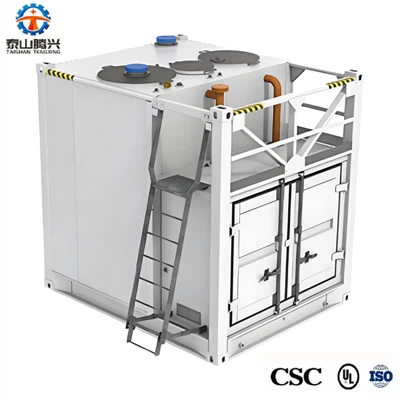
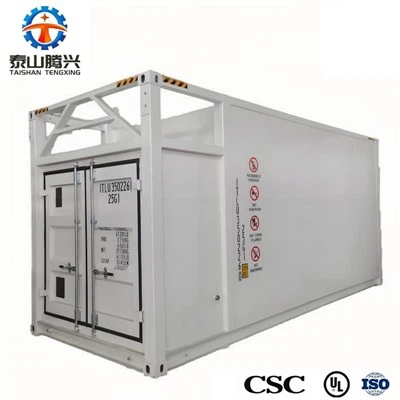
Proper grounding of an underground diesel tank is of utmost importance for safety and the efficient operation of the tank system. As a leading supplier of Underground Diesel Tank, I understand the critical nature of this process and am here to share some essential steps and considerations to ensure your underground diesel tank is grounded correctly.
Why Grounding is Necessary
Before delving into the how - to, it's crucial to understand why grounding an underground diesel tank is necessary. Diesel is a flammable liquid, and during the transfer of diesel into or out of the tank, static electricity can build up. If this static charge is not dissipated properly, it can create a spark, which in turn can ignite the diesel vapors, leading to a potentially catastrophic explosion or fire. Grounding provides a safe path for the static electricity to flow into the earth, preventing the build - up of dangerous charges.
Step 1: Selecting the Right Grounding Materials
The first step in ensuring proper grounding is to choose the appropriate materials. A high - quality grounding electrode is essential. Copper grounding rods are commonly used due to their excellent electrical conductivity and corrosion resistance. These rods should be at least 8 feet long and have a diameter of at least 5/8 inches.
In addition to the grounding rod, you'll need a grounding conductor. This is typically a copper wire with a sufficient gauge to carry the electrical current safely. For most underground diesel tank applications, a #4 or #6 AWG (American Wire Gauge) copper wire is recommended. The conductor should be able to withstand the environmental conditions it will be exposed to, such as moisture and soil chemicals.
Step 2: Installation of the Grounding Electrode
The next step is to install the grounding electrode correctly. Start by choosing a suitable location for the grounding rod. It should be placed as close to the underground diesel tank as possible, but at least 6 feet away from any building foundations or other underground structures.
Use a post - hole digger or a drill to create a hole in the ground that is deep enough to accommodate the entire length of the grounding rod. Insert the grounding rod into the hole and use a hammer or a rod driver to drive it into the ground until only a few inches are left above the surface.
Step 3: Connecting the Grounding Conductor
Once the grounding rod is in place, it's time to connect the grounding conductor. Strip the insulation from the end of the copper wire and attach it securely to the grounding rod using a grounding clamp. Make sure the connection is tight and free of any corrosion or debris.
Next, run the grounding conductor from the grounding rod to the underground diesel tank. The conductor should be buried at least 12 inches below the ground surface to protect it from damage. When connecting the conductor to the tank, use a suitable bonding clamp. The bonding clamp should be attached to a clean, unpainted surface on the tank to ensure good electrical contact.
Step 4: Testing the Grounding System
After the installation is complete, it's essential to test the grounding system to ensure it is working correctly. A ground resistance tester can be used to measure the resistance between the grounding electrode and the earth. The acceptable ground resistance for an underground diesel tank grounding system is typically less than 25 ohms.
If the ground resistance is higher than the acceptable limit, there are several steps you can take. You can add additional grounding rods and connect them in parallel to the existing system. Another option is to use a grounding enhancer, such as a salt - water solution or a conductive backfill material, to improve the conductivity of the soil around the grounding rod.
Step 5: Regular Maintenance and Inspection
Proper grounding is not a one - time task. Regular maintenance and inspection of the grounding system are necessary to ensure its continued effectiveness. Inspect the grounding conductor and clamps periodically for signs of corrosion, damage, or loose connections. Replace any damaged components immediately.
It's also a good idea to retest the ground resistance at least once a year. Changes in soil conditions, such as moisture content and temperature, can affect the ground resistance over time.


Considerations for Different Tank Types
While the basic principles of grounding are the same for all underground diesel tanks, there are some additional considerations for different tank types. For example, if you are using a fiberglass - reinforced plastic (FRP) underground diesel tank, you may need to install a conductive liner or a grounding grid inside the tank to ensure proper grounding.
In the case of double - walled underground diesel tanks, both the inner and outer walls should be grounded. This can be achieved by using separate grounding conductors for each wall and connecting them to the same grounding electrode.
Comparison with Other Underground Fuel Tanks
When it comes to grounding, there are some similarities and differences between underground diesel tanks and other types of underground fuel tanks, such as Underground Petrol Tank and Underground Gasoline Tank.
Petrol and gasoline are more volatile than diesel, which means that proper grounding is even more critical for these types of tanks. The grounding requirements for petrol and gasoline tanks are generally similar to those for diesel tanks, but the safety standards may be more stringent.
Conclusion
Ensuring the proper grounding of an underground diesel tank is a critical safety measure that should not be overlooked. By following the steps outlined above and conducting regular maintenance and inspections, you can minimize the risk of fire and explosion and ensure the safe and efficient operation of your tank system.
As a trusted supplier of underground diesel tanks, we are committed to providing our customers with high - quality products and expert advice on tank installation and maintenance. If you are in the market for an underground diesel tank or need assistance with grounding your existing tank, please don't hesitate to contact us for more information and to discuss your specific requirements. We look forward to helping you find the best solution for your fuel storage needs.
References
- National Fire Protection Association (NFPA). NFPA 30: Flammable and Combustible Liquids Code.
- American Petroleum Institute (API). API 653: Tank Inspection, Repair, Alteration, and Reconstruction.
- International Code Council (ICC). International Fire Code (IFC).