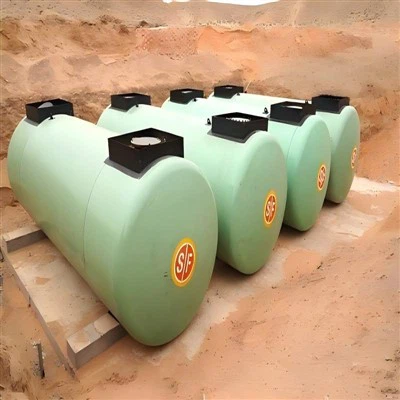
Installing a secondary containment for an underground diesel tank is a crucial step in ensuring environmental safety and regulatory compliance. As a supplier of Underground Diesel Tank, I understand the importance of this process and am here to guide you through it.
Understanding Secondary Containment
Secondary containment is a system designed to prevent diesel fuel from leaking into the surrounding soil and groundwater in case of a primary tank failure. It acts as a backup, providing an extra layer of protection. There are several types of secondary containment systems available, including double - walled tanks, berms, and liners.
Double - walled tanks are a popular choice. They consist of an inner tank that holds the diesel fuel and an outer tank that serves as the secondary barrier. The space between the two walls can be monitored for leaks. Berms are physical structures built around the tank to contain any spills. Liners, on the other hand, are installed beneath and around the tank to prevent the seepage of fuel.
Planning the Installation
Before starting the installation, it is essential to conduct a thorough site assessment. This includes evaluating the soil type, groundwater level, and the proximity of the tank to sensitive areas such as water sources, buildings, and roads. The soil type can affect the stability of the tank and the effectiveness of the containment system. For example, sandy soils may require additional support to prevent the tank from shifting.
You also need to obtain the necessary permits from local regulatory authorities. These permits ensure that the installation meets all safety and environmental standards. The permitting process may involve submitting detailed plans of the tank and the secondary containment system, as well as information about the fuel storage capacity and the location of the tank.


Selecting the Right Secondary Containment System
The choice of secondary containment system depends on several factors, including the size of the tank, the type of diesel fuel being stored, and the site conditions. Double - walled tanks are suitable for large - scale installations where space is limited. They offer a high level of protection and are relatively easy to install.
Berms are a cost - effective option for smaller tanks. They can be constructed using a variety of materials, such as concrete, steel, or plastic. However, berms require regular maintenance to ensure their integrity. Liners are often used in combination with other containment systems. They are flexible and can be customized to fit the shape of the tank and the site.
Installation Process
Step 1: Site Preparation
The first step in the installation process is to prepare the site. This involves clearing the area of any debris, vegetation, or rocks. The ground should be leveled to ensure the stability of the tank. If the soil is soft or unstable, additional measures such as compaction or the installation of a foundation may be required.
Step 2: Installing the Primary Tank
Once the site is prepared, the primary underground diesel tank can be installed. The tank should be carefully lowered into the excavation using appropriate lifting equipment. It is important to ensure that the tank is properly aligned and leveled. The connections for the fuel inlet, outlet, and vent pipes should be installed according to the manufacturer's specifications.
Step 3: Installing the Secondary Containment System
If you are using a double - walled tank, the installation is relatively straightforward. The tank is already equipped with the secondary containment feature. However, if you are using a berm or a liner, additional steps are required.
For a berm, the walls should be constructed around the tank. The height and width of the berm should be sufficient to contain the entire volume of the tank in case of a spill. The berm should be sealed to prevent the leakage of fuel.
If a liner is being used, it should be installed beneath and around the tank. The liner should be made of a material that is resistant to diesel fuel and environmental factors. It should be carefully laid and secured to ensure a tight fit.
Step 4: Connecting and Testing
After the secondary containment system is installed, all the connections should be made. This includes connecting the fuel pipes, the monitoring equipment, and the ventilation system. Once the connections are made, the system should be tested for leaks. This can be done by filling the tank with a small amount of water and checking for any signs of leakage in the secondary containment area.
Maintenance and Monitoring
Regular maintenance and monitoring are essential to ensure the effectiveness of the secondary containment system. The tank and the containment system should be inspected regularly for signs of damage, corrosion, or leaks. The monitoring equipment should be calibrated and tested periodically to ensure its accuracy.
Any repairs or maintenance work should be carried out by qualified professionals. It is also important to keep detailed records of all inspections, maintenance, and repairs.
Environmental and Regulatory Considerations
Installing a secondary containment system for an underground diesel tank is not only important for environmental protection but also for regulatory compliance. Many local and national regulations require the use of secondary containment systems for fuel storage. Failure to comply with these regulations can result in significant fines and legal consequences.
By installing a proper secondary containment system, you can reduce the risk of environmental contamination and protect the health and safety of the surrounding community.
Conclusion
Installing a secondary containment system for an underground diesel tank is a complex but necessary process. As a Underground Diesel Tank supplier, I am committed to providing high - quality products and expert advice to help you with this important task.
If you are interested in purchasing an underground diesel tank or need assistance with the installation of a secondary containment system, please feel free to contact us. We are here to help you make the right choices and ensure the safe and efficient storage of your diesel fuel.
References
- American Petroleum Institute (API). API Standard 650, Welded Steel Tanks for Oil Storage.
- Environmental Protection Agency (EPA). Regulations for Underground Storage Tanks.
- National Fire Protection Association (NFPA). NFPA 30, Flammable and Combustible Liquids Code.