

Monitoring the fuel consumption in an above ground fuel tank is a crucial aspect for businesses and individuals alike. As a leading supplier of above ground fuel tanks, we understand the importance of accurate fuel monitoring. This blog post will provide you with comprehensive insights into how to effectively monitor the fuel consumption in your above ground fuel tank.
Understanding the Importance of Fuel Consumption Monitoring
Fuel is a significant expense for many operations, whether it's powering generators, vehicles, or industrial equipment. By monitoring fuel consumption, you can:
- Control Costs: Keep track of how much fuel is being used and identify any abnormal consumption patterns that could indicate inefficiencies or leaks.
- Prevent Theft: Unusual drops in fuel levels can be a sign of unauthorized access or theft. Regular monitoring helps you detect such issues early.
- Optimize Operations: Analyzing fuel consumption data allows you to make informed decisions about equipment usage, maintenance schedules, and overall operational efficiency.
Types of Above Ground Fuel Tanks
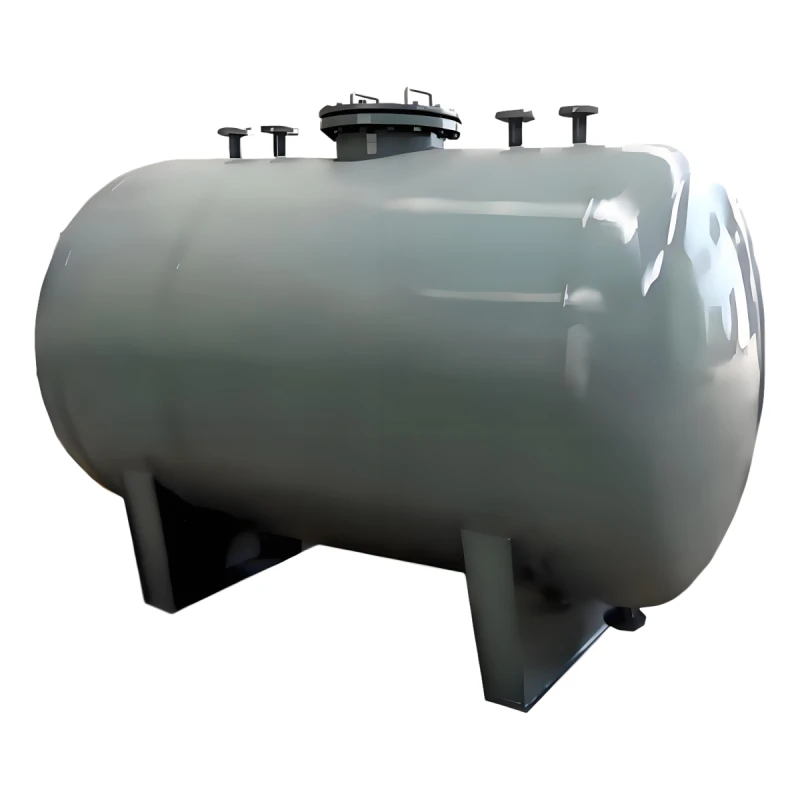
Before delving into fuel monitoring methods, it's essential to understand the different types of above ground fuel tanks available. We offer a wide range of options, including Above Ground Diesel Tank, Above Ground Gasoline Tank, and Above Ground Diesel Fuel Tank. Each type has its own characteristics and requirements, but the principles of fuel monitoring remain similar across all.
Methods of Monitoring Fuel Consumption
Manual Monitoring
- Dipstick Method: This is the simplest and most traditional way of monitoring fuel levels. You insert a dipstick into the tank to measure the depth of the fuel. By comparing the dipstick readings over time, you can calculate the fuel consumption. However, this method is prone to human error and may not provide real - time data.
- Visual Inspection: Regularly checking the fuel level through a sight glass or gauge on the tank can also give you a rough idea of the fuel quantity. But like the dipstick method, it is not very accurate for precise consumption monitoring.
Automated Monitoring Systems
- Float - Type Level Sensors: These sensors use a float that rises and falls with the fuel level. The position of the float is then converted into an electrical signal, which can be sent to a monitoring device. Float - type sensors are relatively inexpensive and easy to install, but they may require regular calibration.
- Ultrasonic Level Sensors: Ultrasonic sensors work by emitting ultrasonic waves that bounce off the fuel surface and return to the sensor. The time taken for the waves to return is used to calculate the fuel level. These sensors are non - contact, which means they are less likely to be damaged by the fuel and can provide more accurate readings.
- Capacitance Level Sensors: Capacitance sensors measure the change in capacitance between two electrodes as the fuel level changes. They are highly accurate and can work well in a variety of fuel types. However, they may be more expensive than other types of sensors.
Installing a Fuel Monitoring System
Once you have chosen the appropriate monitoring method, the next step is to install the system. Here are the general steps:
- Select the Right Location: The sensor should be installed in a location where it can accurately measure the fuel level. Avoid areas with excessive turbulence or where the fuel may not be at a consistent level.
- Follow the Manufacturer's Instructions: Each monitoring system comes with specific installation instructions. Make sure to follow them carefully to ensure proper functioning.
- Connect to a Monitoring Device: The sensor needs to be connected to a monitoring device, such as a computer or a mobile app. This allows you to view and analyze the fuel consumption data.
Analyzing Fuel Consumption Data
Collecting data is only half the battle. To make the most of the fuel monitoring system, you need to analyze the data. Here are some tips:
- Set Baselines: Establish a baseline of normal fuel consumption for your equipment or operations. This will help you identify any deviations from the norm.
- Look for Trends: Analyze the data over time to identify trends in fuel consumption. For example, you may notice that fuel consumption increases during certain seasons or when specific equipment is used.
- Compare with Industry Standards: Research industry standards for fuel consumption in your sector. This can help you determine if your consumption levels are reasonable or if there is room for improvement.
Maintaining the Fuel Monitoring System
To ensure the accuracy and reliability of your fuel monitoring system, regular maintenance is essential. Here are some maintenance tasks:
- Calibration: Periodically calibrate the sensors to ensure accurate readings. This may involve comparing the sensor readings with manual measurements or using a calibration tool provided by the manufacturer.
- Cleaning: Keep the sensors and monitoring devices clean to prevent dirt and debris from affecting their performance.
- Check for Damage: Regularly inspect the system for any signs of damage, such as loose connections or broken wires. Replace any damaged components immediately.
Conclusion
Monitoring the fuel consumption in an above ground fuel tank is a vital part of managing your fuel resources effectively. By choosing the right monitoring method, installing the system correctly, analyzing the data, and maintaining the system, you can control costs, prevent theft, and optimize your operations.
As a trusted supplier of above ground fuel tanks, we are committed to providing you with high - quality products and solutions. If you are interested in learning more about our fuel tanks or fuel monitoring systems, or if you have any questions about fuel consumption monitoring, we encourage you to contact us for a detailed discussion. We look forward to working with you to meet your fuel storage and monitoring needs.

References
- "Fuel Tank Monitoring: A Comprehensive Guide" - Industry Research Report
- Manufacturer's Manuals for Fuel Monitoring Systems


