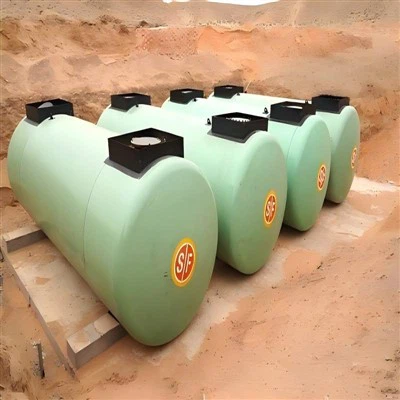
Hey there! As a supplier of portable fuel stations, I've seen firsthand the importance of optimizing their performance. Whether you're using these stations for construction sites, agricultural operations, or other remote locations, having a well - performing portable fuel station can save you time, money, and a whole lot of hassle. In this blog, I'm gonna share some tips on how to get the most out of your portable fuel station.
1. Regular Maintenance
Just like any other piece of equipment, portable fuel stations need regular maintenance to keep them running smoothly. One of the first things you should do is check the fuel filters. Over time, dirt, debris, and water can accumulate in the filters, which can restrict the flow of fuel and reduce the station's efficiency. Replace the fuel filters at the intervals recommended by the manufacturer.
Also, keep an eye on the hoses and fittings. Look for any signs of wear, such as cracks or leaks. If you find any issues, replace the hoses or fittings right away. A small leak can lead to big problems, not only in terms of fuel loss but also in terms of safety.
Another important aspect of maintenance is checking the pump. The pump is the heart of the portable fuel station, and it needs to be in good working condition. Make sure the pump is properly lubricated and that the motor is running smoothly. If you notice any strange noises or vibrations, it could be a sign of a problem with the pump.
2. Fuel Quality
The quality of the fuel you use in your portable fuel station can have a big impact on its performance. Always use high - quality fuel that meets the specifications of your equipment. Low - quality fuel can contain contaminants that can damage the fuel system, reduce engine performance, and increase emissions.
It's also important to store the fuel properly. Keep the fuel in a clean, dry, and well - ventilated area. Avoid storing fuel in direct sunlight or in areas with high temperatures, as this can cause the fuel to degrade over time.
If you're using a portable fuel station for a long - term project, consider using fuel additives. Fuel additives can help improve the performance of the fuel, reduce emissions, and prevent the formation of deposits in the fuel system.
3. Proper Installation
Proper installation of your portable fuel station is crucial for its performance. Make sure the station is installed on a level surface that can support its weight. If the station is not level, it can cause problems with the fuel flow and the operation of the pump.
When installing the hoses and fittings, make sure they are properly tightened. Loose connections can lead to fuel leaks, which can be dangerous and wasteful. Follow the manufacturer's instructions carefully when installing the portable fuel station.
4. Training and Education
Proper training and education are essential for optimizing the performance of a portable fuel station. Make sure your employees or users are trained on how to operate the station safely and efficiently. They should know how to start and stop the pump, how to fill the fuel tank, and how to perform basic maintenance tasks.
Training can also help prevent accidents and ensure that the portable fuel station is used correctly. Provide your users with a user manual and make sure they understand the safety procedures and guidelines.
5. Monitoring and Analytics
Monitoring the performance of your portable fuel station can help you identify any issues early on and take corrective action. You can use sensors and monitoring systems to track the fuel level, the flow rate, and the temperature of the fuel. This data can help you optimize the operation of the station and make informed decisions about maintenance and fuel usage.
Analytics can also help you identify trends and patterns in fuel consumption. For example, you might notice that the fuel consumption is higher during certain times of the day or in certain weather conditions. By analyzing this data, you can adjust your operations to reduce fuel consumption and improve the performance of the portable fuel station.
6. Upgrades and Improvements
As technology advances, there are always new ways to improve the performance of your portable fuel station. Consider upgrading your station with the latest features and technologies. For example, you might want to install a more efficient pump or a better fuel filtration system.
You can also look for ways to improve the safety features of the station. For example, you could install a spill containment system or a fire suppression system. These upgrades can not only improve the performance of the station but also make it safer to use.


7. Compatibility with Equipment
Make sure your portable fuel station is compatible with the equipment you're using it with. Different types of equipment may require different types of fuel or have different fuel requirements. For example, some engines may require a higher octane fuel than others.
Before purchasing a portable fuel station, make sure it can meet the needs of your equipment. You can consult with the manufacturer or a fuel expert to determine the best type of fuel and the appropriate portable fuel station for your equipment.
Conclusion
Optimizing the performance of a portable fuel station is all about regular maintenance, using high - quality fuel, proper installation, training, monitoring, and continuous improvement. By following these tips, you can ensure that your portable fuel station operates at its best, saving you time and money in the long run.
If you're in the market for a portable fuel station, we offer a wide range of options, including Mobile Gasoline Station, Mobile Filling Station, and Portable Petrol Station. If you have any questions or would like to discuss your specific needs, feel free to reach out to us. We're here to help you find the perfect portable fuel station for your requirements.
References
- Manufacturer's manuals for portable fuel stations
- Industry standards and guidelines for fuel storage and handling
- Research studies on fuel quality and its impact on equipment performance