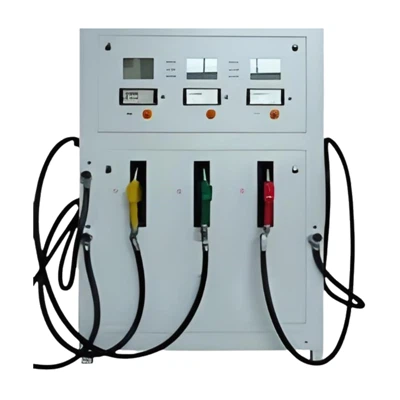
Fuel oxidation in underground fuel tanks is a common yet serious issue that can lead to a whole host of problems. As an underground fuel tank supplier, I've seen firsthand how oxidation can mess things up. It not only degrades the quality of the fuel but can also damage the tank itself over time. So, let's dig into how we can prevent fuel oxidation in these underground tanks.
Understanding Fuel Oxidation
Before we jump into prevention methods, it's important to understand what fuel oxidation is. Fuel oxidation is a chemical reaction that occurs when fuel comes into contact with oxygen. This reaction is accelerated by factors like heat, light, and the presence of certain metals. When fuel oxidizes, it forms gums, varnishes, and sediment. These by - products can clog fuel filters, injectors, and other components of the fuel system, leading to reduced engine performance and increased maintenance costs.
Choose the Right Tank Material
The material of the underground fuel tank plays a crucial role in preventing fuel oxidation. Tanks made from high - quality, corrosion - resistant materials are less likely to react with the fuel and promote oxidation. For example, fiberglass - reinforced plastic (FRP) tanks are a great option. They are non - metallic, which means they don't introduce metal ions into the fuel that can catalyze the oxidation reaction.
Another popular choice is steel tanks with a proper coating. Epoxy - coated steel tanks provide a barrier between the fuel and the steel, preventing corrosion and reducing the risk of oxidation. If you're in the market for a new underground tank, you can check out our Underground Diesel Tank, Underground Gasoline Tank, or Underground Petrol Tank options.
Keep the Tank Full
One simple yet effective way to prevent fuel oxidation is to keep the underground fuel tank as full as possible. When the tank is full, there is less air space inside. Since oxidation requires oxygen, reducing the amount of air in the tank means less oxygen available for the reaction.
If you have a large - scale operation and can't always keep the tank full, consider using a nitrogen blanketing system. This system fills the empty space in the tank with nitrogen gas, which is inert and doesn't react with the fuel. By displacing the oxygen, nitrogen blanketing significantly reduces the risk of oxidation.
Control Temperature and Light Exposure
Heat and light are two major factors that speed up the fuel oxidation process. Underground fuel tanks are already somewhat protected from light, but temperature control is still important. Try to install the tank in an area where the temperature remains relatively stable. Avoid placing the tank near heat sources such as industrial machinery or direct sunlight.
If possible, use insulation around the tank to help regulate the temperature. Additionally, some advanced tanks come with built - in temperature control systems that can maintain the fuel at an optimal temperature, further reducing the risk of oxidation.
Use Fuel Additives
Fuel additives are a great way to prevent oxidation. There are specific additives available in the market that act as antioxidants. These additives work by reacting with the free radicals formed during the oxidation process, stopping the reaction from progressing.
When choosing a fuel additive, make sure to select one that is compatible with your type of fuel and the tank material. Some additives can also improve the overall performance of the fuel and protect the fuel system components from wear and tear.
Regular Maintenance and Inspection
Regular maintenance and inspection of the underground fuel tank are essential for preventing oxidation. Check the tank for any signs of corrosion, leaks, or damage on a regular basis. A small leak can allow air to enter the tank, increasing the risk of oxidation.
Inspect the fuel filters and replace them as needed. Clogged filters can cause fuel to stagnate, which promotes oxidation. Also, test the fuel periodically for signs of oxidation, such as the presence of gums or sediment. If you notice any issues, take immediate action to address them.
Monitor the Fuel Level and Turnover
It's important to monitor the fuel level and turnover rate in the underground tank. A slow - moving or stagnant fuel is more prone to oxidation. Try to maintain a regular flow of fuel in and out of the tank to keep it fresh.
If you know that the fuel will be sitting in the tank for an extended period, consider using a fuel circulation system. This system keeps the fuel moving, preventing the formation of stagnant areas where oxidation can occur more easily.
Seal the Tank Properly
A well - sealed underground fuel tank is crucial for preventing the entry of oxygen. Make sure all the fittings, valves, and hatches are properly sealed. Over time, seals can wear out, so it's important to check and replace them as necessary.
An improperly sealed tank not only allows oxygen in but can also let moisture in. Moisture can also contribute to the oxidation process and cause other problems like microbial growth in the fuel.
Train Your Staff
If you have employees who handle the fuel and the underground tank, make sure they are properly trained. They should understand the importance of preventing fuel oxidation and know how to follow the proper procedures for tank maintenance, fuel handling, and inspection.
Training can also include how to recognize the signs of oxidation and what steps to take if they notice any issues. Well - informed staff can play a key role in preventing fuel oxidation and ensuring the smooth operation of your fuel storage system.
In conclusion, preventing fuel oxidation in an underground fuel tank requires a combination of proper tank selection, good maintenance practices, and the use of appropriate additives. By following these steps, you can extend the life of your fuel, protect your equipment, and save on maintenance costs.
If you're interested in purchasing high - quality underground fuel tanks or need more information on preventing fuel oxidation, feel free to reach out. We're here to help you find the best solutions for your fuel storage needs.


References
- ASTM International Standards on Fuel Storage Tanks
- Industry Guides on Fuel Quality and Storage