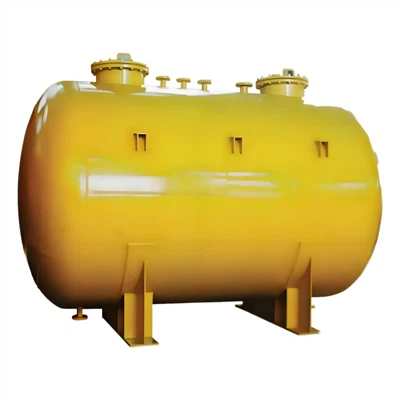
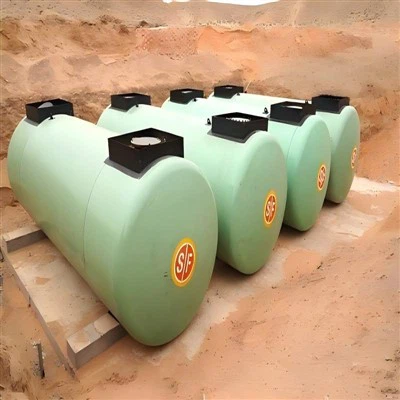
As a supplier of Underground Diesel Tanks, I understand the critical importance of protecting these essential storage units from saltwater corrosion. Saltwater, with its high concentration of dissolved salts and minerals, can be extremely corrosive to metal tanks, leading to leaks, structural damage, and environmental hazards. In this blog post, I will share some effective strategies and best practices for safeguarding underground diesel tanks against saltwater corrosion.


Understanding the Corrosion Process
Before delving into the protective measures, it's crucial to understand how saltwater corrosion occurs. When metal comes into contact with saltwater, an electrochemical reaction takes place. The saltwater acts as an electrolyte, facilitating the flow of electrons between different parts of the metal surface. This process leads to the oxidation of the metal, resulting in the formation of rust and corrosion products. Over time, the corrosion can penetrate the tank walls, causing leaks and compromising the integrity of the tank.
Material Selection
One of the first steps in protecting an underground diesel tank from saltwater corrosion is choosing the right material. Stainless steel is an excellent choice for tanks in saltwater environments due to its high resistance to corrosion. Stainless steel contains chromium, which forms a passive oxide layer on the surface of the metal, protecting it from further oxidation. Additionally, duplex stainless steel, which combines austenitic and ferritic microstructures, offers even greater corrosion resistance and mechanical strength.
Another option is fiberglass-reinforced plastic (FRP) tanks. FRP tanks are non-metallic and inherently resistant to corrosion, making them an ideal choice for saltwater applications. They are lightweight, easy to install, and have a long service life. However, it's important to ensure that the FRP tank is properly designed and manufactured to withstand the specific conditions of the installation site.
Protective Coatings
Applying a protective coating to the exterior of the underground diesel tank is an effective way to prevent saltwater corrosion. There are several types of coatings available, each with its own advantages and limitations.
Epoxy coatings are a popular choice for tank protection. They provide a durable, chemical-resistant barrier that can withstand the harsh conditions of saltwater environments. Epoxy coatings can be applied in multiple layers to achieve the desired thickness and level of protection.
Polyurethane coatings are another option. They offer excellent abrasion resistance and flexibility, making them suitable for tanks that may be subject to movement or vibration. Polyurethane coatings also have good UV resistance, which can help prevent degradation of the coating over time.
In addition to these organic coatings, there are also inorganic coatings available, such as zinc-rich primers. Zinc-rich primers provide sacrificial protection to the metal surface by corroding preferentially to the underlying steel. This helps to prevent the formation of rust and corrosion on the tank walls.
Cathodic Protection
Cathodic protection is a widely used method for protecting underground metal structures from corrosion. It involves the use of an external power source or a sacrificial anode to create an electrical current that counteracts the natural corrosion process.
In impressed current cathodic protection (ICCP), an external power source, such as a rectifier, is used to supply a direct current to the tank. The current flows from the anode, which is typically made of a high-silicon cast iron or mixed metal oxide, to the tank, creating a protective electrochemical cell. ICCP is suitable for large tanks or tanks in areas with high soil resistivity.
Sacrificial anode cathodic protection (SACP) uses a more active metal, such as zinc or magnesium, as the anode. The sacrificial anode corrodes preferentially to the tank, providing protection to the metal surface. SACP is a simpler and more cost-effective option for smaller tanks or tanks in areas with low soil resistivity.
Regular Inspection and Maintenance
Regular inspection and maintenance are essential for ensuring the long-term integrity of underground diesel tanks. Inspections should be carried out at least annually, or more frequently in areas with high saltwater exposure.
During inspections, the tank should be visually examined for signs of corrosion, such as rust, pitting, or cracking. The protective coating should also be inspected for any damage or degradation. In addition, the cathodic protection system should be tested to ensure that it is functioning properly.
If any signs of corrosion or damage are detected, immediate action should be taken to address the issue. This may involve repairing or replacing the protective coating, replacing the sacrificial anodes, or making other necessary repairs to the tank.
Environmental Considerations
When installing an underground diesel tank in a saltwater environment, it's important to consider the potential environmental impact. Saltwater corrosion can lead to leaks and spills, which can contaminate the soil and groundwater. To minimize the risk of environmental damage, it's important to follow all applicable regulations and guidelines for tank installation, operation, and maintenance.
In addition, it's a good idea to implement a spill prevention and response plan. This plan should include procedures for detecting and responding to spills, as well as measures for preventing spills from occurring in the first place.
Conclusion
Protecting an underground diesel tank from saltwater corrosion is a complex but essential task. By choosing the right material, applying a protective coating, implementing cathodic protection, and conducting regular inspections and maintenance, you can ensure the long-term integrity of your tank and prevent costly leaks and environmental damage.
As a supplier of Underground Diesel Tanks, I am committed to providing high-quality products and expert advice to help you protect your investment. If you have any questions or need further information about protecting your underground diesel tank from saltwater corrosion, please don't hesitate to [contact us for procurement discussions](insert appropriate call - to - action). We look forward to working with you to meet your fuel storage needs.
References
- Fontana, M. G. (1986). Corrosion Engineering. McGraw - Hill.
- Uhlig, H. H., & Revie, R. W. (1985). Corrosion and Corrosion Control. Wiley - Interscience.
- National Association of Corrosion Engineers (NACE). (Various publications). NACE International.