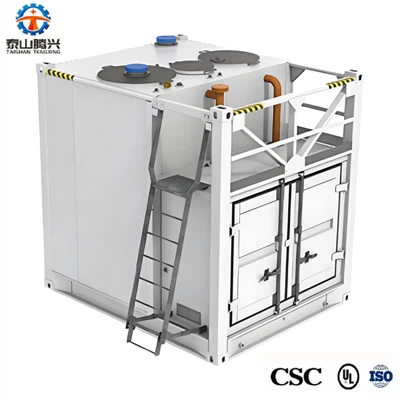
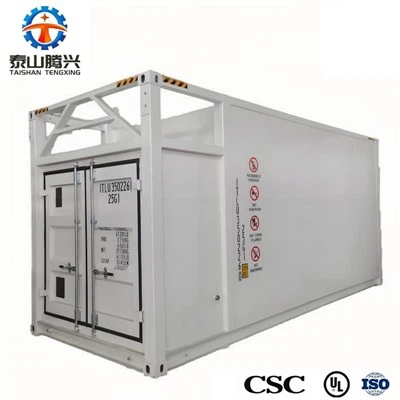
Hey there! I'm a supplier of fuel tanks, and I know how crucial it is to ensure the integrity of these tanks. A fuel tank's integrity is not just about holding fuel; it's about safety, efficiency, and compliance. In this blog, I'll share some practical ways to test the integrity of a fuel tank.
Visual Inspection
The first and simplest way to start checking a fuel tank is through a visual inspection. This is something you can do pretty much anytime. Just take a good look at the tank's exterior. Look for any signs of corrosion, dents, or cracks. Corrosion can eat away at the tank's material over time, weakening its structure. Dents might not seem like a big deal at first, but they can create stress points that could lead to leaks later on. And cracks are, of course, a major red flag.
When you're doing a visual inspection, pay special attention to areas where the tank is in contact with other components or where it's exposed to the elements. For example, the bottom of the tank can be more prone to corrosion because it's closer to the ground and might be exposed to moisture and dirt. Check around the seams and welds as well. These are areas where the tank is joined together, and they can be potential weak spots.
If you notice any signs of damage during the visual inspection, it's a good idea to take a closer look or even consult a professional. Sometimes, a small crack or a bit of corrosion might not seem like a big deal, but it could turn into a major problem if left untreated.
Pressure Testing
Pressure testing is another important method for testing a fuel tank's integrity. This test involves pressurizing the tank and then monitoring the pressure to see if it drops over time. If the pressure drops, it's a sign that there might be a leak in the tank.
To perform a pressure test, you'll need some specialized equipment. First, you'll need a pressure source, like an air compressor. You'll also need a pressure gauge to measure the pressure inside the tank. Start by sealing all the openings of the tank, including the fill port, the outlet, and any vents. Then, use the pressure source to slowly increase the pressure inside the tank to a specified level. This level is usually determined by the tank's manufacturer or industry standards.
Once the tank is pressurized, you'll need to let it sit for a certain period of time, usually around 30 minutes to an hour. During this time, keep an eye on the pressure gauge. If the pressure drops more than a certain amount, it's a sign that there might be a leak. However, it's important to note that a small drop in pressure can be normal due to factors like temperature changes. So, you'll need to compare the pressure drop to the acceptable range specified by the manufacturer.
Pressure testing can be a bit more complicated than a visual inspection, but it's a very effective way to detect leaks that might not be visible during a visual check. If you're not comfortable performing a pressure test yourself, it's best to hire a professional who has the experience and equipment to do it safely and accurately.
Ultrasonic Testing
Ultrasonic testing is a non - destructive testing method that can be used to detect internal flaws in a fuel tank. This method uses high - frequency sound waves to detect changes in the tank's material. When the sound waves encounter a flaw, like a crack or a void, they are reflected back, and this reflection can be detected by a sensor.
To perform an ultrasonic test, you'll need an ultrasonic testing device. This device consists of a transducer that emits the sound waves and a receiver that detects the reflections. First, you'll need to apply a coupling agent, like a gel, to the surface of the tank. This helps the sound waves travel from the transducer to the tank. Then, move the transducer along the surface of the tank, and the device will display the results on a screen.
Ultrasonic testing is great because it can detect flaws that are hidden inside the tank, without having to damage the tank. It's especially useful for detecting cracks that might be forming beneath the surface of the tank's material. However, it does require some training to operate the equipment correctly and interpret the results.
Liquid Penetrant Testing
Liquid penetrant testing is another non - destructive testing method that can be used to detect surface cracks in a fuel tank. This method involves applying a liquid penetrant to the surface of the tank. The penetrant seeps into any cracks or pores on the surface. After a certain amount of time, the excess penetrant is removed, and a developer is applied. The developer draws the penetrant out of the cracks, making them visible.
To perform a liquid penetrant test, start by cleaning the surface of the tank thoroughly. This ensures that the penetrant can penetrate the cracks properly. Then, apply the penetrant to the surface and let it sit for a specified period of time, usually around 10 - 30 minutes. After that, wipe off the excess penetrant with a clean cloth. Next, apply the developer, and wait for a few more minutes. If there are any cracks on the surface, they will appear as bright lines on the developer.
Liquid penetrant testing is a relatively simple and inexpensive method for detecting surface cracks. It's a good option if you suspect that there might be surface flaws in the tank but don't want to use a more invasive testing method.
Magnetic Particle Testing
Magnetic particle testing is a method that can be used to detect surface and near - surface flaws in ferromagnetic fuel tanks. This method works by applying a magnetic field to the tank and then sprinkling magnetic particles on the surface. If there is a flaw in the tank, the magnetic field will be disrupted, and the magnetic particles will accumulate at the location of the flaw, making it visible.
To perform a magnetic particle test, you'll need a magnetic yoke or a magnetizing coil to create the magnetic field. First, clean the surface of the tank to ensure good contact between the magnetic particles and the tank. Then, create the magnetic field and sprinkle the magnetic particles on the surface. Move the magnetic yoke or coil along the surface of the tank to ensure that all areas are covered. If there are any flaws, the magnetic particles will form a pattern indicating the location and size of the flaw.
Magnetic particle testing is a quick and effective way to detect surface and near - surface flaws in ferromagnetic fuel tanks. However, it can only be used on tanks made of ferromagnetic materials, like steel.
Importance of Regular Testing
Regular testing of fuel tanks is extremely important. A fuel tank that is not in good condition can pose a serious safety risk. A leaky fuel tank can lead to fuel spills, which can be a fire hazard and can also contaminate the environment. In addition, a damaged fuel tank can affect the performance of the equipment that it is supplying fuel to.
As a fuel tank supplier, I always recommend my customers to test their tanks regularly. The frequency of testing depends on several factors, such as the type of tank, its usage, and the environment it's in. For example, a tank that is used in a harsh environment, like a coastal area where there is a lot of salt in the air, might need to be tested more frequently than a tank that is used in a more protected environment.


By testing the integrity of your fuel tank regularly, you can catch any problems early on and prevent them from turning into major issues. This can save you a lot of money in the long run, as well as ensure the safety of your operations.
Conclusion
Testing the integrity of a fuel tank is a multi - step process that involves a combination of visual inspections, pressure testing, and non - destructive testing methods like ultrasonic, liquid penetrant, and magnetic particle testing. Each method has its own advantages and is suitable for different types of flaws and tank materials.
As a fuel tank supplier, I'm committed to providing high - quality tanks and helping my customers ensure the safety and reliability of their fuel storage. If you're in the market for a Fuel Storage Tank or a Diesel Storage Tank, or if you have any questions about testing the integrity of your existing tanks, I'd love to have a chat with you. Contact me to start a discussion about your fuel tank needs and how we can work together to keep your operations running smoothly.
References
- ASTM International standards for fuel tank testing
- Manufacturer's guidelines for fuel tank maintenance and testing