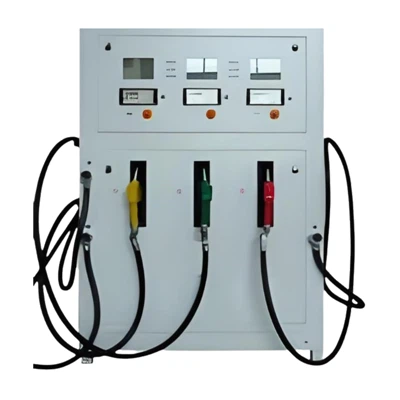
Hey there! As a supplier of underground fuel tanks, I've seen my fair share of issues with underground fuel tank pumps. In this blog, I'll walk you through how to troubleshoot these pumps and get them back up and running in no time.


Understanding the Basics
Before we dive into troubleshooting, let's go over what an underground fuel tank pump is and how it works. An underground fuel tank pump is a device that moves fuel from an underground storage tank to a dispenser or other equipment. These pumps are typically electric or mechanical and are designed to handle different types of fuels, such as petrol, gasoline, and diesel.
There are different types of underground fuel tank pumps, including submersible pumps and suction pumps. Submersible pumps are installed inside the fuel tank and are designed to push fuel up to the dispenser. Suction pumps, on the other hand, are installed above the tank and use suction to draw fuel from the tank.
Common Problems and Solutions
1. No Fuel Flow
One of the most common problems with underground fuel tank pumps is no fuel flow. If you turn on the pump and no fuel is coming out, there could be several reasons for this.
- Clogged Filter: A clogged filter can prevent fuel from flowing through the pump. Check the filter and clean or replace it if necessary. You can usually find the filter near the pump or in the fuel line.
- Air in the Line: Air in the fuel line can also cause a lack of fuel flow. To fix this, you'll need to bleed the air out of the line. This can usually be done by opening a bleed valve or using a priming pump.
- Faulty Pump Motor: If the pump motor is not working, the pump won't be able to move fuel. Check the motor for any signs of damage or wear, such as burnt wires or a broken shaft. If the motor is faulty, it will need to be replaced.
2. Low Fuel Pressure
Another common problem is low fuel pressure. If the fuel pressure is too low, the dispenser may not be able to dispense fuel at the correct rate.
- Leaking Fuel Line: A leaking fuel line can cause a drop in fuel pressure. Inspect the fuel line for any signs of leaks, such as wet spots or fuel odors. If you find a leak, you'll need to repair or replace the damaged section of the line.
- Worn Pump Components: Over time, the components of the pump can wear out, causing a decrease in fuel pressure. Check the pump for any signs of wear, such as loose or damaged parts. If necessary, replace the worn components.
- Incorrect Pump Size: If the pump is too small for the fuel tank or the dispenser, it may not be able to provide enough pressure. Make sure you have the correct pump size for your system.
3. Pump Making Noise
If the pump is making unusual noises, it could be a sign of a problem.
- Loose or Damaged Parts: Check the pump for any loose or damaged parts, such as bolts or bearings. Tighten or replace any loose parts as needed.
- Air in the Pump: Air in the pump can cause it to make noise. Bleed the air out of the pump using the same method as for air in the fuel line.
- Worn Pump Impeller: The impeller is a key component of the pump that helps to move fuel. If the impeller is worn or damaged, it can cause the pump to make noise. Replace the impeller if necessary.
Safety Precautions
When troubleshooting an underground fuel tank pump, it's important to take safety precautions to avoid any accidents or injuries.
- Turn Off the Power: Before working on the pump, make sure to turn off the power to the pump and the dispenser. This will prevent any electrical shocks or fires.
- Wear Protective Gear: Wear appropriate protective gear, such as gloves and safety glasses, to protect yourself from fuel and other chemicals.
- Ventilate the Area: Make sure the area around the pump is well-ventilated to prevent the buildup of fuel vapors.
When to Call a Professional
While many pump problems can be fixed by following the steps outlined above, there are some situations where it's best to call a professional.
- Complex Repairs: If the problem is complex or you're not sure how to fix it, it's best to call a professional. They have the knowledge and experience to diagnose and repair the problem safely and effectively.
- Safety Concerns: If you have any safety concerns, such as a fuel leak or a damaged pump, it's important to call a professional right away. They can handle the situation safely and prevent any further damage or injuries.
- Warranty Issues: If your pump is still under warranty, it's best to call the manufacturer or a qualified technician to handle any repairs. They can ensure that the repairs are done correctly and that the warranty remains valid.
Conclusion
Troubleshooting an underground fuel tank pump can be a challenging task, but with the right knowledge and tools, you can fix many common problems yourself. By following the steps outlined in this blog, you can identify and fix issues with your pump and keep your fuel system running smoothly.
If you're in the market for a new Underground Petrol Tank, Underground Gasoline Tank, or Underground Diesel Tank, we're here to help. We offer a wide range of high-quality underground fuel tanks and pumps to meet your needs. Contact us today to learn more about our products and services and to start a purchase negotiation.
References
- "Fuel Tank Pump Troubleshooting Guide," Fuel Tank Association.
- "Underground Fuel Tank Systems: Installation and Maintenance," National Fire Protection Association.