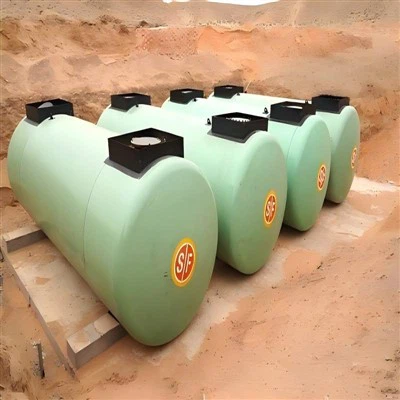
Is it possible to increase the capacity of a fuel tank? This is a question that often comes up in various industries, especially for those who rely heavily on fuel storage. As a fuel tank supplier, I have encountered numerous inquiries regarding this topic. In this blog post, I will delve into the possibilities, challenges, and considerations associated with increasing the capacity of a fuel tank.
Understanding the Basics of Fuel Tanks
Before we discuss the potential for increasing fuel tank capacity, it's essential to understand the different types of fuel tanks available. There are above-ground fuel tanks, self-bunded petrol tanks, and underground petrol tanks. Each type has its own advantages and limitations.
- Above Ground Gasoline Tank: These tanks are installed above the ground and are commonly used in industrial settings, gas stations, and for backup power generation. They are relatively easy to install and maintain. Above Ground Gasoline Tank
- Self Bunded Petrol Tank: Self-bunded tanks have an outer shell that provides an additional layer of protection against leaks and spills. They are a popular choice for small to medium-sized businesses. Self Bunded Petrol Tank
- Underground Petrol Tank: These tanks are buried underground and are often used in gas stations. They offer a more discreet storage solution but require more complex installation and maintenance procedures. Underground Petrol Tank
Factors Affecting the Capacity Increase
Several factors need to be considered when attempting to increase the capacity of a fuel tank:
Physical Space
The available physical space is a crucial factor. Above-ground tanks require a certain amount of space for installation and maintenance. If there is limited space, increasing the tank's capacity may not be feasible. Underground tanks also need sufficient space for excavation and installation.
Structural Integrity
The structural integrity of the tank is another important consideration. Increasing the capacity of a tank may put additional stress on its structure. It's essential to ensure that the tank can withstand the increased pressure and weight. This may involve reinforcing the tank or using a stronger material.
Regulatory Requirements
Fuel tanks are subject to various regulatory requirements. These regulations are in place to ensure safety and environmental protection. Before increasing the capacity of a fuel tank, it's necessary to check with the local authorities to ensure compliance with all relevant regulations.
Cost
Increasing the capacity of a fuel tank can be a costly endeavor. It may involve purchasing a new tank, modifying the existing tank, or installing additional equipment. The cost of installation, maintenance, and compliance with regulations also needs to be taken into account.
Methods of Increasing Fuel Tank Capacity
There are several methods that can be used to increase the capacity of a fuel tank:
Adding an Additional Tank
One of the simplest ways to increase fuel storage capacity is to add an additional tank. This can be done by connecting multiple tanks together using pipes and valves. This method is relatively straightforward and can be a cost-effective solution.
Modifying the Existing Tank
In some cases, it may be possible to modify the existing tank to increase its capacity. This can involve adding internal baffles or partitions to increase the usable volume of the tank. However, this method requires careful engineering and may not be suitable for all types of tanks.
Using a Larger Tank
If space and budget allow, replacing the existing tank with a larger one is another option. This method provides the most significant increase in capacity but can be more expensive and time-consuming.
Challenges and Considerations
Increasing the capacity of a fuel tank is not without its challenges. Here are some additional considerations:
Safety
Safety is of utmost importance when dealing with fuel storage. Increasing the capacity of a tank may increase the risk of leaks and spills. It's essential to ensure that all safety measures are in place, including proper ventilation, fire protection, and spill containment.


Maintenance
A larger fuel tank will require more maintenance. This includes regular inspections, cleaning, and testing. It's important to have a maintenance plan in place to ensure the tank remains in good condition.
Environmental Impact
Increasing the capacity of a fuel tank may have an environmental impact. Fuel spills can contaminate soil and water, and emissions from fuel storage can contribute to air pollution. It's important to take steps to minimize these impacts, such as using proper storage and handling procedures.
Conclusion
In conclusion, it is possible to increase the capacity of a fuel tank, but it requires careful consideration of various factors. Physical space, structural integrity, regulatory requirements, and cost are all important considerations. There are several methods available, including adding an additional tank, modifying the existing tank, or using a larger tank. However, it's important to ensure that all safety and environmental requirements are met.
If you are considering increasing the capacity of your fuel tank, I encourage you to contact us for a consultation. Our team of experts can help you determine the best solution for your specific needs. We have a wide range of fuel tanks available, including Above Ground Gasoline Tank, Self Bunded Petrol Tank, and Underground Petrol Tank. We can also provide guidance on installation, maintenance, and compliance with regulations.
References
- Smith, J. (2018). Fuel Tank Design and Installation. New York: Elsevier.
- Johnson, A. (2019). Safety Regulations for Fuel Storage. London: Routledge.
- Brown, C. (2020). Environmental Impact of Fuel Tanks. Sydney: ABC Publishing.