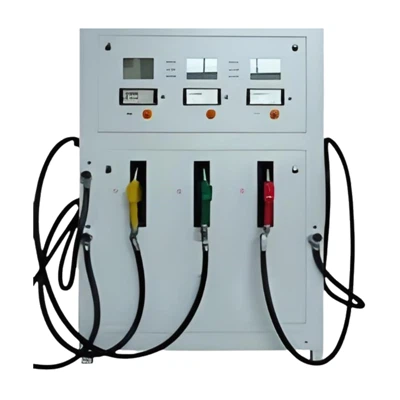
Hey there! I'm a supplier of mini filling stations, and I often get asked about the environmental protection requirements for these little fueling hubs. So, I thought I'd share some insights on what it takes to run an eco - friendly mini filling station.
1. Fuel Storage and Leak Prevention
First off, let's talk about fuel storage. Mini filling stations usually have smaller fuel tanks compared to big - scale ones, but that doesn't mean we can cut corners on safety and environmental protection.
The fuel tanks need to be made of high - quality materials that can resist corrosion. Steel tanks are a common choice, but they need to be properly coated to prevent rusting. Double - walled tanks are even better. They have an outer layer that acts as a secondary containment in case the inner tank develops a leak. This extra layer gives us a buffer time to detect and fix any issues before the fuel spills into the environment.
Regular inspections of the tanks are a must. We need to check for signs of wear and tear, like cracks or dents. Leak detection systems should be installed in the tanks. These systems can monitor the fuel level and detect any sudden drops, which could indicate a leak.
According to industry standards, the frequency of these inspections can vary. For example, visual inspections might be done monthly, while more in - depth inspections using specialized equipment could be done annually. If a leak is detected, it has to be fixed immediately. And any spilled fuel should be cleaned up right away using absorbent materials, and proper disposal methods must be followed.
2. Air Quality Management
Mini filling stations also have an impact on air quality. When fuel is dispensed, there's always a risk of fuel vapors being released into the air. These vapors contain harmful pollutants like volatile organic compounds (VOCs), which can contribute to smog and have negative health effects.
To control these emissions, we need to use vapor recovery systems. There are two main types: Stage I and Stage II vapor recovery.


Stage I vapor recovery is used during the unloading of fuel from the tanker truck to the storage tank. It captures the vapors that are displaced when the fuel is transferred. This is done by connecting a vapor - tight hose between the tanker and the storage tank. The vapors are then sent back to the tanker and can be processed later.
Stage II vapor recovery is used at the fuel dispenser. When a customer fills up their vehicle, the system captures the fuel vapors that are displaced from the vehicle's fuel tank. These vapors are then returned to the storage tank.
In addition to vapor recovery systems, proper ventilation is crucial. The filling station area should be well - ventilated to disperse any remaining vapors. This can be achieved through natural ventilation, like having open spaces around the station, or by using mechanical ventilation systems.
3. Waste Management
Running a mini filling station also generates various types of waste. There are used oil, filters, and other automotive waste from the vehicles that stop at the station. And of course, there's the general waste from the station's operations, like packaging materials.
Used oil is a major concern. It can't just be dumped anywhere because it contains contaminants that can harm the soil and water. Instead, it should be collected in proper containers and sent to a licensed recycling facility. These facilities can process the used oil and turn it into new products, like lubricants or fuel.
Filters also need to be disposed of properly. They can be recycled in some cases, but if they're too contaminated, they need to be treated as hazardous waste.
General waste should be separated into recyclable and non - recyclable materials. Recycling as much as possible helps reduce the amount of waste that goes to landfills.
4. Water Pollution Prevention
Water pollution is another big environmental issue for mini filling stations. Rainwater that runs off the station area can pick up fuel, oil, and other contaminants and carry them into nearby water sources.
To prevent this, we need to have proper stormwater management systems in place. One common method is to use oil - water separators. These devices are installed in the drainage system. They work by allowing the water to pass through while trapping the oil and other floating contaminants.
The station area should also be designed with slopes and drains that direct the stormwater towards the oil - water separator. Regular maintenance of these systems is essential to ensure they're working effectively.
In addition, any spills or leaks that occur on the ground should be cleaned up immediately to prevent the contaminants from seeping into the soil and reaching the groundwater.
5. Energy Efficiency
Energy efficiency is an important aspect of environmental protection for mini filling stations. These stations use electricity for lighting, pumps, and other equipment.
We can install energy - efficient lighting systems, like LED lights. They use less energy and have a longer lifespan compared to traditional incandescent bulbs.
The pumps used for fuel dispensing can also be optimized for energy efficiency. Variable - speed pumps can adjust their speed based on the demand, which helps save energy.
Renewable energy sources can also be considered. For example, solar panels can be installed on the station's roof to generate electricity. This not only reduces the station's reliance on the grid but also helps lower its carbon footprint.
Why Choose Our Mini Filling Stations
As a supplier, I'm proud to say that our Mini Diesel Station and Mini Petrol Station are designed with these environmental protection requirements in mind. We use the latest technologies and high - quality materials to ensure that our stations are safe, efficient, and eco - friendly.
If you're in the market for a mini filling station and are concerned about environmental impact, we'd love to have a chat with you. Whether you're looking for a diesel or petrol station, we can provide you with a solution that meets your needs and complies with all the necessary environmental regulations. Contact us for more details and let's start the procurement process together!
References
- Environmental Protection Agency (EPA). Fuel Storage Tank Regulations.
- International Association of Oil & Gas Producers. Guidelines for Air Quality Management in Filling Stations.
- World Health Organization. Health Effects of Volatile Organic Compounds.
- National Stormwater Quality Database. Best Practices for Stormwater Management in Fueling Stations.