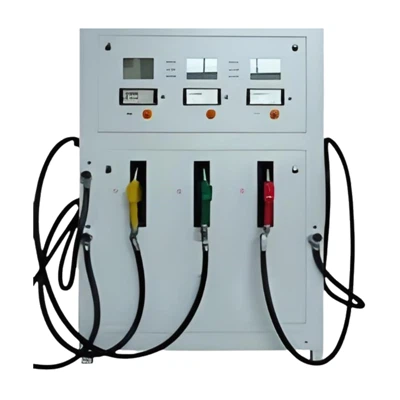
When it comes to fuel dispensing from ISO Fuel Containers, understanding the flow rate requirements is crucial for ensuring efficient, safe, and compliant operations. As a leading supplier of ISO Fuel Containers, I've witnessed firsthand the importance of getting these flow rates right. In this blog post, I'll delve into the factors that influence flow rate requirements, the standards and regulations governing them, and how our ISO Fuel Container products are designed to meet these needs.
Factors Influencing Flow Rate Requirements
1. Fuel Type
Different fuels have distinct physical properties that affect their flow characteristics. For instance, gasoline is less viscous than diesel, which means it can flow more easily through pipes and hoses. Viscosity is a measure of a fluid's resistance to flow, and higher - viscosity fuels require more energy to move at the same flow rate as lower - viscosity fuels. This means that when dispensing diesel from an ISO Fuel Container, a higher pressure or a larger diameter dispensing system may be needed to achieve the same flow rate as gasoline.
2. Dispensing System Design
The design of the dispensing system, including the diameter of pipes, hoses, and valves, plays a significant role in determining the flow rate. A larger diameter pipe or hose allows for a greater volume of fuel to pass through per unit of time, increasing the flow rate. Additionally, the number and type of valves in the system can also impact flow. Ball valves, for example, generally offer less resistance to flow compared to gate valves, which can restrict the flow of fuel and reduce the overall flow rate.
3. Pressure
Pressure is another key factor in fuel dispensing. The pressure within the ISO Fuel Container and the pressure difference between the container and the dispensing point drive the flow of fuel. Higher pressures can force fuel through the dispensing system more quickly, increasing the flow rate. However, it's important to note that excessive pressure can pose safety risks, such as leaks or damage to the container or dispensing equipment.
4. Environmental Conditions
Temperature and altitude can also affect the flow rate of fuel. At higher temperatures, the viscosity of fuel decreases, allowing it to flow more easily. Conversely, in cold weather, fuel becomes more viscous, which can reduce the flow rate. Altitude can impact the pressure within the container and the dispensing system, as atmospheric pressure decreases with increasing altitude. This can affect the pressure differential that drives the flow of fuel.
Standards and Regulations
There are several international and national standards and regulations that govern the flow rate requirements for fuel dispensing from ISO Fuel Containers. These standards are in place to ensure the safety of personnel, prevent environmental contamination, and maintain the quality of the fuel.


For example, the International Organization for Standardization (ISO) has developed standards for ISO Fuel Containers, which include requirements for the design, construction, and operation of these containers. These standards often specify maximum and minimum flow rates for different types of fuels and dispensing systems to ensure safe and efficient operation.
In addition to ISO standards, national regulations may also apply. For instance, in the United States, the Occupational Safety and Health Administration (OSHA) and the Environmental Protection Agency (EPA) have regulations regarding fuel handling and dispensing. These regulations may include requirements for flow rate monitoring, spill prevention, and equipment maintenance.
Our ISO Fuel Containers and Flow Rate Requirements
As a supplier of ISO Fuel Container, we understand the importance of meeting the flow rate requirements for our customers. Our containers are designed and manufactured to comply with all relevant international and national standards and regulations.
We offer a range of 20FT Tank Container options, which are suitable for different types of fuels and dispensing applications. These containers are equipped with high - quality pipes, hoses, and valves that are designed to minimize flow resistance and ensure optimal flow rates.
Our engineering team works closely with customers to understand their specific flow rate requirements. We take into account factors such as fuel type, dispensing system design, and environmental conditions to recommend the most suitable container and dispensing system for their needs. We also provide installation and maintenance services to ensure that the containers and dispensing systems operate at peak performance.
Importance of Meeting Flow Rate Requirements
Meeting the flow rate requirements for fuel dispensing from ISO Fuel Containers is essential for several reasons. Firstly, it ensures the efficient operation of fueling operations. If the flow rate is too low, it can lead to longer fueling times, which can be costly for businesses. On the other hand, if the flow rate is too high, it can increase the risk of spills and other safety hazards.
Secondly, compliance with flow rate requirements is necessary to meet regulatory standards. Failure to comply with these standards can result in fines, penalties, and even the suspension of operations. By using our ISO Fuel Containers, customers can be confident that they are operating within the bounds of the law.
Finally, meeting flow rate requirements helps to maintain the quality of the fuel. A consistent and appropriate flow rate ensures that the fuel is dispensed evenly and without excessive agitation, which can prevent the introduction of air bubbles and other contaminants into the fuel.
Contact Us for Your Fuel Container Needs
If you're in the market for an ISO Fuel Container and need to ensure that it meets your specific flow rate requirements, we're here to help. Our team of experts has extensive experience in the design, manufacture, and installation of ISO Fuel Containers. We can provide you with customized solutions that are tailored to your unique needs.
Whether you're a small business looking for a reliable fuel storage and dispensing solution or a large corporation with complex fueling requirements, we have the expertise and products to meet your needs. Contact us today to start a conversation about your fuel container requirements and to learn more about how our products can help you achieve efficient and safe fuel dispensing.
References
- International Organization for Standardization (ISO) standards related to ISO Fuel Containers.
- Occupational Safety and Health Administration (OSHA) regulations on fuel handling and dispensing.
- Environmental Protection Agency (EPA) regulations on fuel storage and dispensing.