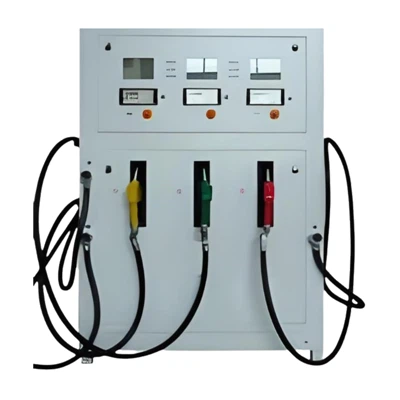
In recent years, the concept of mobile filling stations has emerged as a revolutionary alternative to traditional fixed fuel stations. As a supplier of mobile filling stations, I've witnessed firsthand the growing interest in this innovative solution. In this blog, I'll explore the future prospects of mobile filling stations, discussing their advantages, market trends, and potential challenges.
Advantages of Mobile Filling Stations
Convenience
One of the most significant advantages of mobile filling stations is the convenience they offer. Instead of drivers having to go to a fixed fuel station, mobile filling stations can come to them. This is particularly beneficial for businesses with large fleets of vehicles, such as logistics companies, construction firms, and public transportation providers. For example, a construction site often requires heavy machinery to operate continuously. With a Mobile Diesel Station, fuel can be delivered directly to the site, reducing downtime and increasing productivity.
Flexibility
Mobile filling stations are highly flexible. They can be easily moved to different locations based on demand. This flexibility makes them suitable for a variety of applications, including remote areas where traditional fuel stations are not available. For instance, in rural regions or during large - scale events like music festivals or sports competitions, a Portable Petrol Station can be set up to meet the fuel needs of vehicles and generators.
Cost - effectiveness
From an operational perspective, mobile filling stations can be more cost - effective in certain situations. They eliminate the need for large - scale infrastructure investments associated with building and maintaining a fixed fuel station. Additionally, by reducing the time and distance that vehicles need to travel to refuel, businesses can save on fuel costs and increase overall efficiency.
Market Trends
Growing Demand in Fleet Management
The demand for mobile filling stations is on the rise, especially in the fleet management sector. As companies look for ways to optimize their operations and reduce costs, mobile filling stations offer an attractive solution. Fleet managers can ensure that their vehicles are refueled at the most convenient times and locations, minimizing disruptions to their daily operations.


Expansion into New Markets
Mobile filling stations are also expanding into new markets. With the increasing popularity of electric vehicles (EVs), there is a growing need for mobile charging stations. As a supplier, we are exploring the development of mobile EV charging stations to meet this emerging demand. This expansion into new markets presents significant growth opportunities for the mobile filling station industry.
Integration with Technology
The future of mobile filling stations will likely involve greater integration with technology. For example, mobile apps can be used to schedule fuel deliveries, track fuel consumption, and manage inventory. This not only enhances the user experience but also improves the overall efficiency of the mobile filling station operation.
Potential Challenges
Regulatory Hurdles
One of the main challenges facing mobile filling stations is regulatory compliance. Different regions have different regulations regarding the transportation, storage, and dispensing of fuel. Ensuring compliance with these regulations can be complex and costly. For example, there are strict safety standards for the design and construction of mobile fuel storage tanks, as well as rules regarding the training of personnel involved in fuel handling.
Safety Concerns
Safety is a major concern when it comes to mobile filling stations. The transportation and storage of fuel pose risks such as spills, fires, and explosions. To address these concerns, suppliers need to invest in high - quality equipment and safety measures. This includes using advanced fuel storage tanks with built - in safety features and providing comprehensive training to operators.
Competition
As the market for mobile filling stations grows, competition is also increasing. New entrants are entering the market, offering similar products and services. To stay competitive, suppliers need to focus on innovation, quality, and customer service. This may involve developing new and improved mobile filling station models, offering customized solutions, and providing excellent after - sales support.
Future Outlook
Despite the challenges, the future prospects for mobile filling stations are promising. The demand for convenience, flexibility, and cost - effectiveness will continue to drive the growth of this industry. As technology advances, we can expect to see more sophisticated mobile filling stations that are safer, more efficient, and better integrated with other systems.
In addition, the shift towards alternative fuels, such as biofuels and hydrogen, presents new opportunities for mobile filling stations. Suppliers can adapt their products to accommodate these new fuels, opening up new markets and revenue streams.
Conclusion
In conclusion, the future of mobile filling stations is bright. As a supplier, I am excited about the potential of this industry. The advantages of mobile filling stations, such as convenience, flexibility, and cost - effectiveness, make them an attractive option for a wide range of customers. However, we also need to address the challenges, such as regulatory hurdles and safety concerns, to ensure the long - term success of the industry.
If you are interested in learning more about our Mobile Gasoline Station or other mobile filling station products, please feel free to reach out for a procurement discussion. We are committed to providing high - quality solutions that meet your specific needs.
References
- Industry reports on the fuel and transportation sectors
- Research studies on the development and trends of mobile filling stations
- Regulatory documents related to fuel storage and transportation