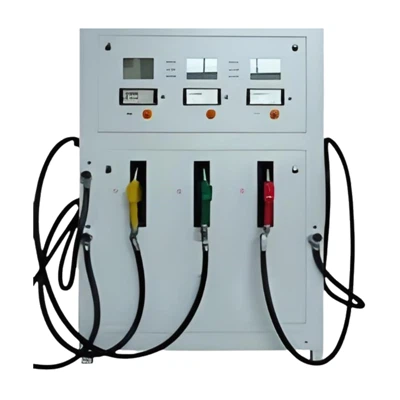
Grounding is a critical safety measure for a Mobile Diesel Station, which ensures the protection of both the equipment and the personnel operating it. As a reliable supplier of Mobile Diesel Stations, we understand the importance of proper grounding and are committed to providing in - depth information on this topic.
The Importance of Grounding for Mobile Diesel Stations
Mobile Diesel Stations are designed to provide on - the - go fueling solutions, often in various environments such as construction sites, remote areas, and industrial facilities. These stations store and dispense diesel fuel, which is a flammable liquid. Static electricity can be generated during the process of fuel transfer, handling, and even due to the movement of the station itself. If not properly grounded, this static electricity can build up and cause a spark, potentially leading to a fire or explosion.
Grounding provides a safe path for the electrical charge to dissipate into the earth. By connecting the Mobile Diesel Station to the ground, we can prevent the accumulation of static electricity and reduce the risk of ignition. Moreover, grounding also helps in protecting the electrical components of the station. Electrical faults can occur in the station's pumps, motors, and control systems. A proper grounding system can divert the fault current away from the equipment, minimizing the damage and preventing electrical shock to the operators.
Grounding Requirements for Mobile Diesel Stations
Electrical Grounding
The electrical grounding of a Mobile Diesel Station starts with the power supply system. All electrical equipment within the station, including the fuel pumps, lighting, and control panels, must be connected to a reliable grounding conductor. This conductor should be of sufficient size to carry the fault current safely. According to the National Electrical Code (NEC), the grounding conductor should be sized based on the ampacity of the circuit. For example, in a typical Mobile Diesel Station with a 20 - amp circuit, a #12 AWG copper grounding conductor may be used.
The grounding conductor should be connected to a grounding electrode, which is usually a metal rod driven into the ground. The electrode should be made of a corrosion - resistant material such as copper - clad steel. It should be at least 8 feet long and driven into the earth to a depth of at least 8 feet. Multiple grounding electrodes may be required in areas with high soil resistivity. These electrodes should be connected together using a bonding conductor to form a grounding grid.
Static Grounding
Static grounding is crucial during the fueling process. When diesel fuel is transferred from the storage tank to a vehicle or equipment, static electricity can be generated due to the friction between the fuel and the pipes, hoses, and nozzles. To prevent static buildup, the Mobile Diesel Station and the receiving container must be electrically bonded and grounded.
A static grounding cable should be used to connect the Mobile Diesel Station to the vehicle or equipment being fueled. The cable should have a minimum cross - sectional area of 6 mm² and be made of a flexible, low - resistance material. Before starting the fueling process, the cable should be securely attached to both the station and the receiving container. The connection points should be clean and free of rust or paint to ensure good electrical contact.
In addition to the static grounding cable, the Mobile Diesel Station itself should be equipped with a static grounding system. This system may include grounding straps attached to the fuel tank, pumps, and other metal components. These straps should be connected to the main grounding conductor of the station.
Grounding for the Structure
The structure of the Mobile Diesel Station, including the frame, enclosure, and support legs, should also be grounded. This helps in protecting the station from lightning strikes and provides an additional layer of safety. The structure grounding can be achieved by connecting the metal parts of the station to the grounding electrode system.
Installation and Maintenance of Grounding Systems
Installation
Proper installation of the grounding system is essential for its effectiveness. During the installation of a Mobile Diesel Station, the grounding electrodes should be installed first. The electrodes should be driven into the ground at the recommended depth and spacing. The bonding conductors should be installed to connect the electrodes together and to the electrical equipment and the structure of the station.
The static grounding cables should be installed in a way that they are easily accessible during the fueling process. They should be protected from damage and wear, and their connections should be inspected regularly.


Maintenance
Regular maintenance of the grounding system is necessary to ensure its continued performance. The grounding electrodes should be inspected for corrosion and damage. If the electrodes are corroded, they should be replaced. The bonding conductors and grounding cables should be checked for loose connections, fraying, or breakage. Any damaged components should be repaired or replaced immediately.
The resistance of the grounding system should be measured periodically using a grounding resistance tester. The resistance should be within the acceptable range specified by the relevant standards. If the resistance is too high, it may indicate a problem with the grounding system, such as a poor connection or a damaged electrode.
Grounding in Different Environments
Mobile Diesel Stations can be used in a variety of environments, each with its own challenges for grounding.
Construction Sites
Construction sites often have a high level of soil disturbance, which can affect the grounding system. The soil resistivity may vary depending on the type of soil, moisture content, and the presence of construction materials. In such environments, it may be necessary to use multiple grounding electrodes and a more extensive grounding grid to achieve a low - resistance grounding system.
Remote Areas
In remote areas, access to a reliable power supply and grounding infrastructure may be limited. In these cases, alternative grounding methods may need to be considered. For example, a ground rod can be installed near the Mobile Diesel Station, and a solar - powered grounding system can be used to maintain the grounding connection.
Industrial Facilities
Industrial facilities may have existing grounding systems that can be integrated with the Mobile Diesel Station. However, it is important to ensure that the existing grounding system is compatible with the station's requirements. The electrical and static grounding connections should be made in accordance with the facility's safety regulations.
Conclusion
Proper grounding is a fundamental requirement for the safe operation of a Mobile Diesel Station. As a supplier of Mobile Diesel Stations, we emphasize the importance of adhering to the grounding requirements. Our Mobile Diesel Stations are designed to meet the highest safety standards, and we provide comprehensive guidance on grounding installation and maintenance.
If you are in the market for a Mobile Filling Station or a Portable Diesel Station, we are here to assist you. Our team of experts can help you choose the right station for your needs and ensure that it is properly grounded. Contact us today to start a conversation about your fueling requirements and let us provide you with a reliable and safe Mobile Diesel Station solution.
References
- National Electrical Code (NEC), NFPA 70
- API RP 2003, Protection Against Ignitions Arising Out of Static, Lightning, and Stray Currents
- OSHA Standards for Electrical Safety in the Workplace