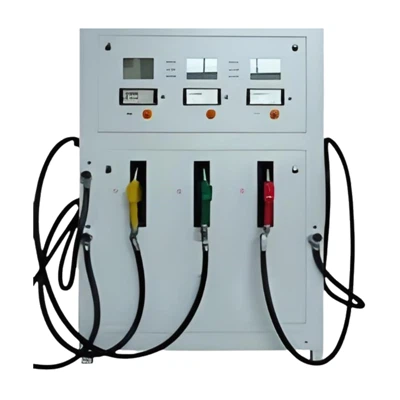
As a supplier of portable fuel stations, I understand the importance of providing clear and comprehensive information about the installation requirements. Portable fuel stations are a convenient solution for various industries, including construction, agriculture, and transportation, offering flexibility and ease of use. In this blog post, I will outline the key installation requirements for a portable fuel station to ensure a safe and efficient setup.
Location Selection
The first step in installing a portable fuel station is choosing the right location. The site should be well-ventilated to prevent the accumulation of fuel vapors, which can be hazardous. It should also be away from sources of ignition, such as open flames, electrical equipment, and hot surfaces. Additionally, the location should be level and stable to prevent the fuel station from tipping over.
When selecting a location, consider the proximity to the end-users. For example, if the portable fuel station is for a construction site, it should be placed near the equipment that needs refueling. This reduces the time and effort required to transport fuel, increasing productivity.
Ground Preparation
Once the location is selected, the ground needs to be prepared. The surface should be clean, free of debris, and able to support the weight of the fuel station. If the ground is soft or uneven, it may be necessary to install a concrete pad or a sturdy base to ensure stability.
For outdoor installations, it is important to consider the drainage. The area around the fuel station should be sloped to allow rainwater to drain away, preventing water from pooling around the tank. This helps to prevent corrosion and damage to the fuel station.
Electrical Requirements
Most portable fuel stations require an electrical connection to power the pump and other components. The electrical system should be installed by a qualified electrician to ensure compliance with local electrical codes.
The power supply should be rated to handle the load of the fuel station. It is important to check the power requirements of the specific model you are installing and ensure that the electrical circuit can provide the necessary voltage and amperage.
Ventilation
Proper ventilation is crucial for the safe operation of a portable fuel station. Fuel vapors can be flammable and toxic, so it is essential to have adequate ventilation to prevent their accumulation.
The fuel station should be equipped with ventilation pipes or vents that allow the vapors to escape. These vents should be located in areas where the vapors can be safely dispersed, away from sources of ignition.
Fire Protection
Fire protection is a critical aspect of installing a portable fuel station. The site should be equipped with fire extinguishers and other fire suppression equipment. The fire extinguishers should be rated for use on fuel fires and should be easily accessible.
In addition to fire extinguishers, it is recommended to have a fire prevention plan in place. This plan should include procedures for handling fuel spills, evacuating the area in case of a fire, and training employees on fire safety.
Safety Signage
Safety signage is an important part of the installation process. The fuel station should be clearly marked with signs indicating the type of fuel, the location of emergency shut-off valves, and other safety information.
These signs help to ensure that employees and other users are aware of the potential hazards associated with the fuel station and know how to respond in case of an emergency.
Regulatory Compliance
When installing a portable fuel station, it is important to comply with all relevant local, state, and federal regulations. These regulations may include requirements for environmental protection, fire safety, and storage of hazardous materials.
Before installing the fuel station, it is advisable to consult with local authorities to ensure that you are meeting all the necessary requirements. This can help to avoid costly fines and legal issues in the future.


Installation of Mobile Filling Stations
If you are interested in a Mobile Filling Station, there are specific installation requirements to consider. Mobile filling stations are designed to be easily transported and set up at different locations.
The installation process typically involves connecting the fuel tank to the pump and other components, ensuring proper ventilation, and securing the station to prevent movement. It is important to follow the manufacturer's instructions carefully to ensure a safe and proper installation.
Installation of Mobile Diesel Stations
Mobile Diesel Stations have their own unique installation requirements. Diesel fuel has different properties compared to gasoline, and the installation process needs to take these differences into account.
For example, diesel fuel is less volatile than gasoline, but it still requires proper ventilation and storage. The installation should also include measures to prevent contamination of the diesel fuel, such as using a filter system.
Installation of Mobile Gasoline Stations
Mobile Gasoline Stations require special attention due to the flammable nature of gasoline. The installation process should include strict safety measures to prevent fires and explosions.
This may include using explosion-proof electrical equipment, installing grounding systems to prevent static electricity, and ensuring proper ventilation to disperse gasoline vapors.
Contact for Purchase and Installation
If you are considering purchasing a portable fuel station, I encourage you to contact us for more information. Our team of experts can provide you with detailed information about the installation requirements and help you choose the right model for your needs.
We offer a wide range of portable fuel stations, including Mobile Filling Stations, Mobile Diesel Stations, and Mobile Gasoline Stations. We can also assist with the installation process to ensure a smooth and hassle-free experience.
References
- National Fire Protection Association (NFPA). (2020). NFPA 30: Flammable and Combustible Liquids Code.
- Occupational Safety and Health Administration (OSHA). (2021). Hazardous Materials Standards.
- Environmental Protection Agency (EPA). (2021). Regulations for the Storage and Handling of Hazardous Materials.