Hey there! As a supplier of Mobile Filling Stations, I've seen firsthand the ins and outs of this industry. Today, I want to chat about the legal responsibilities that Mobile Filling Station owners have to take on. It's not just about setting up a station and selling fuel; there's a whole bunch of legal stuff that comes with the territory.
Safety and Environmental Regulations
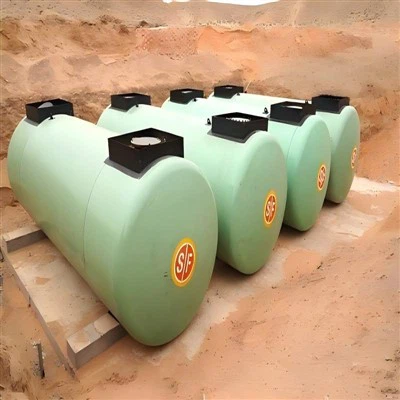
First off, safety is a huge deal. Mobile Filling Stations deal with highly flammable liquids, so owners need to make sure they're following all the safety protocols. This includes having proper fire prevention and suppression systems in place. For example, they should have fire extinguishers readily available and ensure that the storage tanks are in good condition. Any leaks or spills can be extremely dangerous, not only to the people around but also to the environment.
When it comes to the environment, Mobile Filling Station owners are accountable for preventing pollution. They need to handle and store fuel in a way that minimizes the risk of spills. If there is a spill, they have to clean it up immediately and report it to the appropriate authorities. This is crucial because fuel spills can contaminate soil and water sources.
According to environmental laws, Mobile Filling Station owners also need to have a plan for dealing with emergencies. This plan should outline the steps to take in case of a spill, fire, or other incidents. It should also include measures to protect the environment and public health.
Licensing and Permits
Another major legal responsibility is getting the right licenses and permits. To operate a Mobile Filling Station, owners need to obtain various licenses from local, state, and federal authorities. These licenses ensure that the station meets all the necessary safety and health standards.
For example, there are usually licenses for fuel storage and sales. The process of getting these licenses can be quite complicated and time-consuming. Owners need to submit detailed applications, provide proof of safety measures, and sometimes even undergo inspections.
If an owner operates a Mobile Filling Station without the proper licenses, they can face serious legal consequences. This can include fines, closure of the station, and even criminal charges in some cases. So, it's super important to make sure all the licensing requirements are met before starting the business.


Quality and Measurement Standards
Mobile Filling Station owners are also responsible for ensuring the quality and accuracy of the fuel they sell. The fuel needs to meet certain standards set by the government. This includes things like the octane level for gasoline and the cetane level for diesel.
They also have to use accurate measuring equipment. Customers expect to get the amount of fuel they pay for, and it's the owner's job to make sure that happens. Regular calibrations of the measuring devices are necessary to maintain accuracy.
If the fuel quality is found to be substandard or if the measuring equipment is inaccurate, the owner can be held liable. This can lead to customer complaints, legal action, and damage to the station's reputation.
Employee Training and Safety
If the Mobile Filling Station has employees, the owner is responsible for their training and safety. Employees need to be trained on how to handle fuel safely, how to operate the equipment, and what to do in case of an emergency.
This training should be ongoing, as safety regulations and best practices can change over time. Owners also need to provide a safe working environment for their employees. This includes things like proper ventilation in the work area and protective gear.
Failure to provide adequate training and safety measures can result in accidents and injuries. In such cases, the owner can be held responsible for the damages and medical expenses of the employees.
Customer Protection
When it comes to customers, Mobile Filling Station owners have a responsibility to protect their rights. This includes providing clear information about the fuel, such as its price, quality, and any additives. Customers should also be informed about any potential risks associated with using the fuel.
In addition, owners need to handle customer complaints in a timely and fair manner. If a customer has an issue with the fuel or the service, the owner should address it promptly. Ignoring customer complaints can lead to negative reviews and legal problems.
Tax and Financial Obligations
Mobile Filling Station owners also have tax and financial responsibilities. They need to pay taxes on the fuel sales, as well as other business-related taxes. Keeping accurate financial records is essential for tax purposes.
They also need to ensure that their pricing is fair and compliant with any regulations. Price gouging is not allowed, especially during times of high demand or shortages.
Conclusion
In conclusion, owning a Mobile Filling Station comes with a lot of legal responsibilities. From safety and environmental regulations to licensing, quality control, and customer protection, there's a lot to keep track of. But if owners are diligent and responsible, they can operate a successful and legal business.
If you're in the market for a Mobile Filling Station, whether it's a Mobile Filling Station, a Mobile Diesel Station, or a Mobile Gasoline Station, I'd be happy to help you out. Just reach out, and we can start discussing your needs and how we can get you the right solution.
References
- Relevant local, state, and federal laws on fuel storage, sales, and environmental protection.
- Industry standards and guidelines for Mobile Filling Station safety and operation.