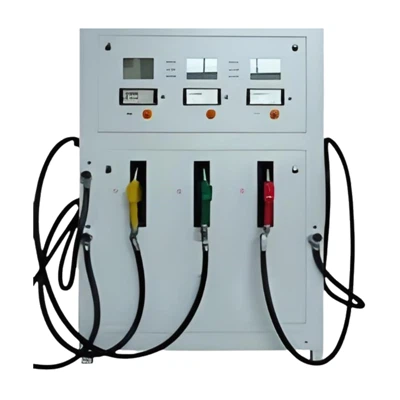
As a supplier of Underground Petrol Tank, I often encounter inquiries about the potential radiation risks associated with these storage solutions. In this blog post, I will delve into the topic, providing a scientific and unbiased perspective on whether underground petrol tanks pose any radiation hazards.
Understanding Radiation
Radiation is the emission of energy as electromagnetic waves or as moving subatomic particles. There are two main types of radiation: ionizing and non-ionizing. Ionizing radiation has enough energy to remove tightly bound electrons from atoms, creating ions. This type of radiation includes alpha particles, beta particles, gamma rays, and X-rays. Non-ionizing radiation, on the other hand, has less energy and cannot ionize atoms. Examples of non-ionizing radiation include radio waves, microwaves, infrared radiation, and visible light.
Radiation Sources in Petrol
Petrol, also known as gasoline, is a complex mixture of hydrocarbons derived from crude oil. It contains trace amounts of naturally occurring radioactive materials (NORM), such as potassium-40, radium-226, and thorium-232. These radioactive elements are present in the earth's crust and are incorporated into the crude oil during its formation. However, the levels of NORM in petrol are extremely low, and the radiation emitted by these elements is negligible.
Radiation Risks Associated with Underground Petrol Tanks
The main concern regarding radiation risks associated with underground petrol tanks is the potential for leakage of radioactive materials into the surrounding environment. However, modern underground petrol tanks are designed and constructed to prevent leakage and ensure the safe storage of petrol. They are typically made of high-quality materials, such as fiberglass or steel, and are equipped with multiple layers of protection, including leak detection systems and secondary containment.
In addition, underground petrol tanks are subject to strict regulations and standards to ensure their safety and environmental compliance. These regulations require regular inspections, maintenance, and testing of the tanks to detect and prevent any potential leaks or radiation hazards. As a result, the risk of radiation exposure from underground petrol tanks is extremely low.
Radiation Exposure Limits
To protect public health and safety, regulatory agencies have established radiation exposure limits for various sources of radiation, including NORM. The International Commission on Radiological Protection (ICRP) recommends a maximum annual effective dose limit of 1 mSv for the general public from all sources of radiation, including natural background radiation. The average annual effective dose from natural background radiation is approximately 2.4 mSv, which means that the additional dose from NORM in petrol is well below the recommended limit.
Mitigating Radiation Risks
Although the radiation risks associated with underground petrol tanks are minimal, it is still important to take appropriate measures to minimize any potential exposure. Some of the steps that can be taken to mitigate radiation risks include:
- Regular Inspections and Maintenance: Ensure that underground petrol tanks are regularly inspected, maintained, and tested to detect and prevent any potential leaks or radiation hazards.
- Leak Detection Systems: Install and maintain leak detection systems to monitor the integrity of the tanks and detect any leaks early.
- Secondary Containment: Use secondary containment systems to prevent the release of petrol or radioactive materials into the surrounding environment in the event of a leak.
- Proper Disposal of Waste: Dispose of any waste materials generated during the operation and maintenance of underground petrol tanks in accordance with local regulations and guidelines.
- Employee Training: Provide employees with proper training on radiation safety and the importance of following safety procedures when working with underground petrol tanks.
Conclusion
In conclusion, the radiation risks associated with underground petrol tanks are extremely low. Modern underground petrol tanks are designed and constructed to prevent leakage and ensure the safe storage of petrol, and they are subject to strict regulations and standards to ensure their safety and environmental compliance. Although petrol contains trace amounts of naturally occurring radioactive materials, the levels of radiation emitted by these elements are negligible, and the additional dose from NORM in petrol is well below the recommended limit.


As a supplier of Underground Petrol Tank, I am committed to providing our customers with high-quality storage solutions that meet the highest standards of safety and environmental performance. If you have any questions or concerns about the radiation risks associated with underground petrol tanks, or if you are interested in learning more about our products and services, please do not hesitate to contact us. We look forward to the opportunity to discuss your requirements and provide you with the best possible solutions for your fuel storage needs.
References
- International Commission on Radiological Protection (ICRP). 2007. The 2007 Recommendations of the International Commission on Radiological Protection. ICRP Publication 103.
- United States Environmental Protection Agency (EPA). 2015. Underground Storage Tanks: A Guide for Owners and Operators. EPA 510-R-15-001.
- World Nuclear Association. 2021. Naturally Occurring Radioactive Materials (NORM).