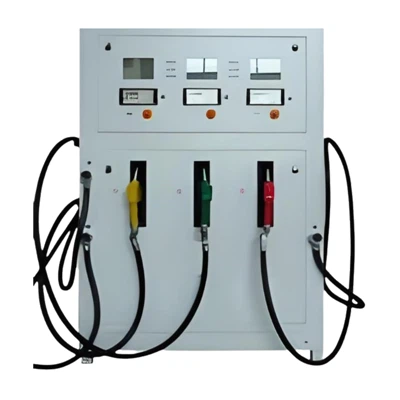
As a supplier of Underground Petrol Tanks, I understand the critical importance of proper signage around these storage units. Signage serves as a vital communication tool, conveying essential information to ensure safety, compliance, and efficient operations. In this blog, I will delve into the key requirements for signage around underground petrol tanks, highlighting the significance of each aspect and how it contributes to a secure environment.
Regulatory Compliance
One of the primary requirements for signage around underground petrol tanks is compliance with local, state, and federal regulations. These regulations are put in place to safeguard public health, safety, and the environment. Signage must adhere to specific standards regarding size, color, font, and content. For instance, the Occupational Safety and Health Administration (OSHA) in the United States has strict guidelines on the use of warning signs in hazardous areas. These signs must be clearly visible, durable, and resistant to weather conditions.
Warning Signs
Warning signs are perhaps the most crucial type of signage around underground petrol tanks. They alert individuals to potential hazards associated with the storage and handling of petrol. These signs typically feature bold text and symbols that convey a clear message. For example, a sign may read "DANGER - FLAMMABLE LIQUID" along with a flame symbol. This type of signage helps prevent accidents by making people aware of the risks and encouraging them to take necessary precautions.
Identification Signs
Identification signs are used to clearly mark the location and contents of the underground petrol tank. These signs should include the name of the fuel (e.g., petrol, diesel), the capacity of the tank, and the owner or operator's contact information. Identification signs are essential for emergency responders in case of a spill or other incident. They allow them to quickly identify the type of fuel involved and take appropriate action.
Directional Signs
Directional signs are used to guide individuals to the petrol tank area and indicate the proper procedures for accessing and using the tanks. These signs may include arrows, symbols, or text to direct traffic and ensure that people follow the correct routes. For example, a sign may point towards the emergency shut - off valve or the access hatch for the tank. Directional signs help prevent confusion and ensure that operations are carried out smoothly.
Maintenance and Inspection Signs
Maintenance and inspection signs are used to indicate when the underground petrol tank was last inspected, tested, or maintained. These signs should include the date of the inspection, the name of the inspector or maintenance provider, and any relevant results or findings. This type of signage is important for ensuring that the tank is in good working condition and meets all safety standards. It also provides a record of compliance for regulatory authorities.
Material and Durability
The material used for signage around underground petrol tanks must be durable and able to withstand harsh environmental conditions. Common materials include metal, plastic, and composite materials. Metal signs are often preferred for their strength and longevity, while plastic signs are lightweight and cost - effective. The signage should be resistant to corrosion, fading, and damage from UV rays. Additionally, the signs should be securely attached to prevent them from falling off or being damaged by wind, rain, or other elements.
Visibility
Signage around underground petrol tanks must be highly visible at all times. This means that the signs should be placed in prominent locations where they can be easily seen by anyone in the vicinity. The text and symbols on the signs should be large enough to be read from a reasonable distance. In some cases, backlighting or reflective materials may be used to enhance visibility, especially in low - light conditions.
Consistency
Consistency in signage is crucial for ensuring that the messages are easily understood. All signs around the underground petrol tank should follow the same design standards, including font style, color scheme, and size. Consistency also extends to the language used on the signs. If the facility serves a diverse population, signs may need to be in multiple languages to ensure that everyone can understand the messages.
Up - to - Date Information
The information on the signage must be up - to - date at all times. This includes any changes in the tank's capacity, the type of fuel stored, or the maintenance schedule. Regular checks should be made to ensure that the signs are accurate and that any outdated information is replaced promptly.


As a supplier of Underground Petrol Tanks, Underground Gasoline Tanks, and Underground Diesel Tanks, we understand the importance of providing tanks that are compliant with all signage requirements. Our tanks are designed to meet the highest safety and quality standards, and we can also assist our customers in ensuring that the appropriate signage is in place.
If you are in the market for an underground petrol tank or need advice on the signage requirements, we encourage you to contact us for a detailed discussion. We have a team of experts who can guide you through the process and help you make the best decisions for your specific needs. Whether you are a small business owner or a large industrial operator, we are here to provide you with the best solutions for your fuel storage requirements.
References
- Occupational Safety and Health Administration (OSHA) regulations on hazardous materials signage.
- National Fire Protection Association (NFPA) standards for fuel storage and signage.
- Local and state environmental protection agency guidelines on underground petrol tank signage.