Mining operations are often conducted in remote locations where a reliable and safe fuel supply is crucial. Self-bunded fuel tanks have emerged as a popular solution for storing fuel in mining areas due to their enhanced safety features and convenience. As a self-bunded fuel tank supplier, I have witnessed firsthand the growing demand for these tanks in the mining industry. In this blog post, I will discuss the requirements for using a self-bunded fuel tank in mining areas.
Safety Regulations and Standards
One of the primary requirements for using a self-bunded fuel tank in mining areas is compliance with safety regulations and standards. These regulations are put in place to ensure the safe storage and handling of fuel, protecting both the environment and the people working in the mining site.
In many countries, self-bunded fuel tanks must meet specific standards set by regulatory bodies. For example, in Australia, the Australian Standards AS/NZS 1940:2017 provides guidelines for the storage and handling of flammable and combustible liquids, including the design, installation, and maintenance of self-bunded fuel tanks. These standards cover aspects such as tank construction, capacity, spill containment, and safety features.
Similarly, in the United States, the Occupational Safety and Health Administration (OSHA) and the Environmental Protection Agency (EPA) have regulations governing the storage and handling of fuel. Self-bunded fuel tanks must comply with these regulations to ensure the safety of workers and the environment.
Tank Design and Construction
The design and construction of a self-bunded fuel tank are critical factors in ensuring its safe and efficient operation in mining areas. A well-designed tank should be able to withstand the harsh environmental conditions typically found in mining sites, such as extreme temperatures, vibrations, and potential impacts.
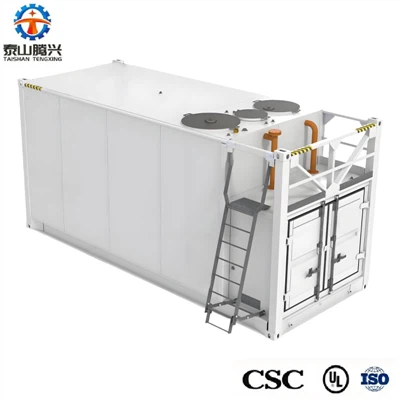
Self-bunded fuel tanks are typically constructed with a double-wall design, consisting of an inner tank for storing the fuel and an outer tank that acts as a secondary containment system. The outer tank is designed to prevent spills and leaks from reaching the environment in case of a failure in the inner tank.
The materials used in the construction of the tank are also important. High-quality steel or fiberglass is commonly used for the inner and outer tanks, as these materials are durable and resistant to corrosion. The tank should also be designed with proper ventilation and access points for inspection, maintenance, and refueling.
Spill Containment and Leak Detection
Spill containment and leak detection are essential requirements for using a self-bunded fuel tank in mining areas. A self-bunded fuel tank should be equipped with a spill containment system that can hold a certain volume of fuel in case of a leak or spill. This system typically consists of a sump or a bund that surrounds the inner tank and can collect any spilled fuel.
In addition to spill containment, a self-bunded fuel tank should also be equipped with a leak detection system. This system can be in the form of a float switch, a pressure sensor, or a monitoring device that can detect any leaks or changes in the fuel level. Early detection of leaks can help prevent environmental damage and ensure the safety of the mining operation.
Installation and Location
Proper installation and location of a self-bunded fuel tank are crucial for its safe and efficient operation. The tank should be installed on a level and stable surface that can support its weight. It should also be located away from sources of ignition, such as open flames, electrical equipment, and heat sources.
In addition, the tank should be installed in a location that is easily accessible for refueling and maintenance. It should also be protected from potential damage, such as from vehicles, machinery, or natural disasters.
Maintenance and Inspection
Regular maintenance and inspection of a self-bunded fuel tank are essential to ensure its safe and efficient operation. The tank should be inspected regularly for signs of damage, corrosion, or leaks. Any issues should be addressed immediately to prevent further damage and ensure the safety of the mining operation.
In addition, the tank should be maintained according to the manufacturer's recommendations. This may include tasks such as cleaning the tank, checking the fuel level, and replacing any worn or damaged parts.
Training and Education
Proper training and education are essential for anyone involved in the operation and maintenance of a self-bunded fuel tank in mining areas. Workers should be trained on the safe handling and storage of fuel, as well as the proper use and maintenance of the tank.
Training should include topics such as fuel safety, spill response, and emergency procedures. Workers should also be familiar with the specific requirements and regulations governing the use of self-bunded fuel tanks in mining areas.
Conclusion
Using a self-bunded fuel tank in mining areas requires compliance with safety regulations and standards, proper design and construction, spill containment and leak detection, proper installation and location, regular maintenance and inspection, and training and education. As a self-bunded fuel tank supplier, I understand the importance of these requirements and am committed to providing high-quality tanks that meet the needs of the mining industry.


If you are in the mining industry and are looking for a reliable and safe fuel storage solution, I encourage you to consider our Self Bunded Gasoline Tank, Self Bunded Petrol Fuel Tank, or Self Bunded Diesel Tank. Our tanks are designed and constructed to meet the highest safety standards and are suitable for use in a variety of mining applications.
Contact us today to learn more about our self-bunded fuel tanks and how they can meet your specific needs. We look forward to working with you to provide a safe and reliable fuel storage solution for your mining operation.
References
- Australian Standards AS/NZS 1940:2017, Storage and handling of flammable and combustible liquids
- Occupational Safety and Health Administration (OSHA), Regulations governing the storage and handling of fuel
- Environmental Protection Agency (EPA), Regulations governing the storage and handling of fuel