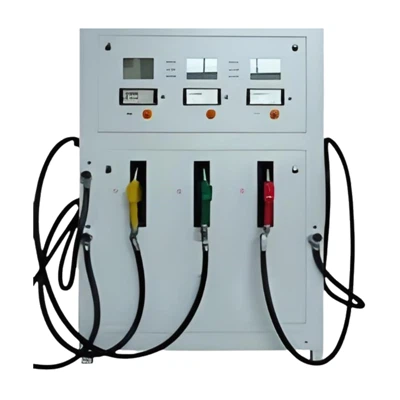
Yo, what's up everyone! I'm a supplier of portable fuel stations, and I often get asked about the difference between portable fuel stations and regular gas stations. So, I thought I'd break it down for you all in this blog post.
Let's start with the basics. A regular gas station is what you're probably most familiar with. You've seen them on every corner in town, with those big signs and rows of pumps. They're usually fixed in one location, and they've got a pretty large storage capacity for fuel. Most of the time, they offer a variety of fuels like gasoline, diesel, and sometimes even alternative fuels like ethanol blends.
On the other hand, a portable fuel station is, well, portable! It's designed to be moved around easily. You can take it to different job sites, events, or even remote locations where there aren't any regular gas stations nearby. This portability is a game - changer for a lot of industries.
1. Location and Mobility
The most obvious difference between the two is their location flexibility. Regular gas stations are stuck in one place. They're built on a piece of land, and it's a huge investment to set one up. There are all sorts of permits, construction costs, and infrastructure requirements. Once it's up and running, it's not going anywhere.
Portable fuel stations, however, are like the nomads of the fuel world. You can load them onto a truck and transport them to wherever you need them. For example, if you're running a construction project in a rural area, you can bring a Portable Diesel Station right to the site. This saves a ton of time and money for the construction crew, as they don't have to drive long distances to refuel their equipment.
2. Size and Capacity
Regular gas stations are big. They've got large underground storage tanks that can hold thousands of gallons of fuel. This allows them to serve a high volume of customers throughout the day. They're designed to handle the fuel needs of a large number of vehicles, from cars and trucks to buses.
Portable fuel stations come in different sizes, but generally, they have a smaller capacity compared to regular gas stations. They're more suited for smaller - scale operations or for specific equipment. For instance, a small - sized portable fuel station might be able to hold a few hundred gallons of fuel, which is enough to keep a few pieces of construction equipment or a small fleet of vehicles running for a while. But if you've got a large - scale operation, you might need to refill the portable fuel station more frequently.
3. Customer Base
Regular gas stations serve the general public. Anyone with a vehicle can pull in, fill up their tank, and go on their way. They're open to cars, trucks, motorcycles, and even RVs. They also offer additional services like convenience stores, car washes, and sometimes even repair services.


Portable fuel stations, on the other hand, are more focused on specific industries. Construction companies use them to fuel their heavy machinery like excavators, bulldozers, and loaders. Mining operations also rely on portable fuel stations to keep their equipment running in remote areas. Even the agricultural sector finds them useful for refueling tractors and other farm equipment.
4. Safety and Regulations
Both regular gas stations and portable fuel stations have to adhere to strict safety regulations. Regular gas stations are subject to a whole host of local, state, and federal regulations. This includes things like proper storage of fuel, prevention of spills, and fire safety measures. They also have to have regular inspections to make sure they're in compliance.
Portable fuel stations also have their own set of regulations, but they're often more focused on the portability aspect. For example, they need to be designed in a way that they can be safely transported without any risk of fuel leakage. The fuel storage tanks on portable fuel stations are usually built to be more rugged and resistant to damage during transportation.
5. Cost
Setting up a regular gas station is an expensive endeavor. There are the costs of land acquisition, construction, equipment installation, and obtaining all the necessary permits. The ongoing operational costs are also high, including staff salaries, utility bills, and maintenance.
Portable fuel stations are generally more cost - effective in terms of upfront investment. They're cheaper to purchase and don't require the same level of infrastructure as a regular gas station. The operational costs are also lower, as they don't need a large staff to operate. However, if you need to use a portable fuel station for a long - term, large - scale operation, the cost of refilling the fuel more frequently might add up.
6. Services Offered
Regular gas stations offer a wide range of services. In addition to fueling, you can buy snacks, drinks, and other convenience items at the attached store. Some gas stations also have car washes where you can get your vehicle cleaned. And in some cases, they even have basic repair services like tire inflation and oil changes.
Portable fuel stations are more focused on just one thing: fueling. Their main purpose is to provide a convenient way to refuel equipment or vehicles on - site. While some portable fuel stations might have basic features like a pump and a meter, they don't offer the same level of additional services as regular gas stations.
Why Choose a Portable Fuel Station?
If you're in an industry that requires you to work in remote locations or on - the - go, a portable fuel station is a great option. It saves you time and money by eliminating the need to travel long distances to refuel. For example, if you're a landscaper with multiple job sites in a day, a Mobile Gasoline Station can follow you around and keep your lawn mowers and other equipment fueled up.
Construction companies also benefit greatly from portable fuel stations. They can keep their heavy machinery running without any downtime due to long refueling trips. And for mining operations in the middle of nowhere, a Mobile Diesel Station is essential to keep the equipment going.
So, if you're looking for a flexible, cost - effective, and convenient way to fuel your equipment or vehicles, a portable fuel station might be the right choice for you. If you're interested in learning more about our portable fuel stations or want to discuss a potential purchase, feel free to reach out. We're here to help you find the perfect solution for your fueling needs.
References
- "Fuel Station Safety and Regulations." Department of Energy.
- "The Economics of Gas Station Operations." Journal of Petroleum Economics.
- "Portable Fueling Solutions for Industrial Use." Industrial Equipment Magazine.