Hey there! As a fuel tank supplier, I've gotten tons of questions about all the components of our fuel tanks. One part that often gets overlooked but is super important is the fuel tank overflow tube. So, let's dive into what this little tube does and why it's a big deal.
First off, what exactly is a fuel tank overflow tube? Well, it's a small pipe that's connected to the fuel tank. Its main job is to provide a safe path for excess fuel to escape when the tank gets too full. You know how when you're filling up your car's gas tank and the pump clicks off? That's because the tank is getting close to full. But sometimes, things can go wrong, and you might end up overfilling. That's where the overflow tube steps in.
One of the key functions of the overflow tube is to prevent fuel spills. Fuel spills are not only a waste of money but also a huge environmental hazard. Gasoline and diesel are toxic substances that can contaminate soil and water sources if they're not properly contained. When you're filling a fuel tank, there's always a risk of overfilling, especially if the filling process isn't carefully monitored. The overflow tube redirects any excess fuel away from the tank and into a safe area, like a designated spill container or a drainage system that's designed to handle fuel.
Another important function is to relieve pressure. Fuel tanks can build up pressure for a few reasons. For example, when the temperature rises, the fuel inside the tank expands. If there's no way for this pressure to escape, it can cause damage to the tank. The overflow tube acts as a pressure relief valve. It allows the excess pressure to be released in a controlled way, preventing the tank from cracking or exploding. This is crucial for the safety of anyone near the fuel tank, whether it's in a vehicle, a storage facility, or an industrial setting.
The overflow tube also helps maintain the proper level of fuel in the tank. In some cases, the fuel level might rise unexpectedly due to factors like a malfunctioning fuel gauge or a problem with the filling mechanism. The overflow tube ensures that the fuel doesn't exceed the maximum safe level, which helps keep the fuel system working properly. If the fuel level gets too high, it can cause problems like fuel getting into areas where it shouldn't be, such as the engine's air intake system, which can lead to engine damage.
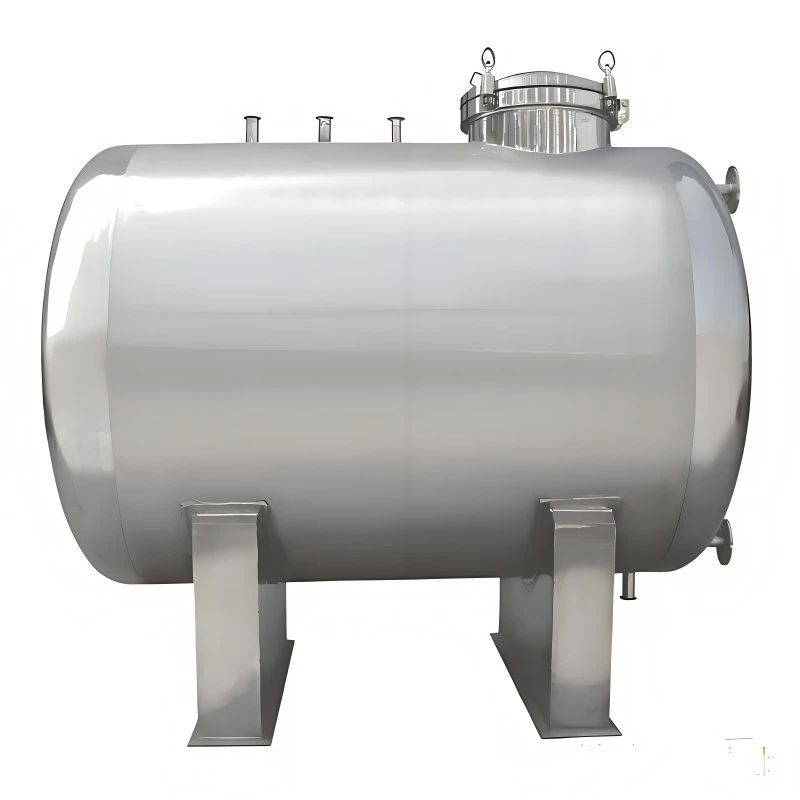
Now, let's talk about the different types of fuel tanks and how the overflow tube works with them. We offer a variety of fuel tanks, including Above Ground Diesel Tank, Above Ground Gasoline Tank, and Underground Diesel Tank.
For above-ground diesel tanks, the overflow tube is usually designed to direct the excess fuel to a secondary containment area. This is a good idea because it helps prevent any spills from reaching the ground. The tube is often connected to a spill basin or a collection tank that can hold the excess fuel until it can be properly disposed of.
Above-ground gasoline tanks also have overflow tubes, but they need to be designed with extra care because gasoline is more volatile than diesel. The overflow tube for a gasoline tank is typically made of a material that's resistant to the corrosive effects of gasoline. It's also important to ensure that the tube is properly vented to prevent the build-up of explosive vapors.
Underground diesel tanks have their own set of challenges. The overflow tube for an underground tank needs to be carefully installed to prevent any fuel from leaking into the soil. It's often connected to a monitoring system that can detect if there's a spill or a problem with the fuel level. This helps ensure that any issues are caught early and can be addressed before they cause serious environmental damage.

When it comes to maintaining the overflow tube, it's important to keep it clean and free of debris. Over time, dirt, leaves, and other particles can block the tube, which can prevent it from working properly. Regular inspections are a good idea to make sure the tube is in good condition and that there are no signs of damage or corrosion. If you notice any problems with the overflow tube, it's important to have it repaired or replaced as soon as possible.
In addition to its practical functions, the overflow tube also plays a role in regulatory compliance. There are strict regulations in place regarding the storage and handling of fuel, and having a properly functioning overflow tube is often a requirement. By ensuring that your fuel tank has a working overflow tube, you can avoid costly fines and legal issues.
So, there you have it! The fuel tank overflow tube might seem like a small and insignificant part, but it plays a crucial role in the safety and functionality of fuel tanks. Whether you're looking for an Above Ground Diesel Tank, an Above Ground Gasoline Tank, or an Underground Diesel Tank, make sure it has a reliable overflow tube.
If you're in the market for a fuel tank or have any questions about our products, we'd love to hear from you. Whether you're a business owner looking to upgrade your fuel storage or an individual in need of a reliable fuel tank, we can help. Just reach out to us, and our team of experts will be happy to assist you with your purchase and answer any questions you might have.
References
- "Fuel Tank Safety Guidelines," National Fire Protection Association
- "Environmental Regulations for Fuel Storage," Environmental Protection Agency