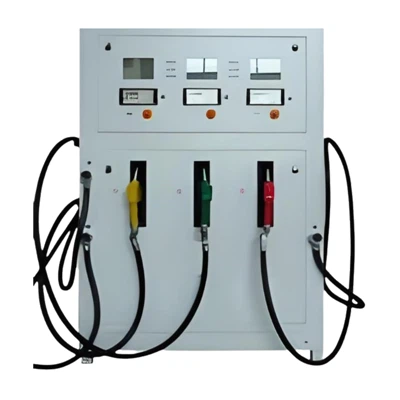
What is the lifespan of a portable fuel station?
As a supplier of portable fuel stations, I've been asked numerous times about the lifespan of these essential pieces of equipment. Understanding the lifespan of a portable fuel station is crucial for both businesses and individuals who rely on them for their fueling needs. In this blog post, I'll delve into the factors that influence the lifespan of a portable fuel station, typical lifespans, and how to extend their useful life.
Factors Influencing the Lifespan of a Portable Fuel Station
Quality of Construction
The quality of materials and construction plays a significant role in determining the lifespan of a portable fuel station. High - quality stations are built with durable materials such as corrosion - resistant steel for the tank and robust components for the pumping and dispensing systems. For example, stations with double - walled tanks are more resistant to leaks and damage, which can extend their lifespan. At our company, we ensure that all our Mobile Gasoline Station units are constructed using top - grade materials to withstand the rigors of regular use.
Usage Patterns
How often a portable fuel station is used and the volume of fuel it dispenses can greatly affect its lifespan. A station that is used continuously, such as at a busy construction site or a large fleet operation, will experience more wear and tear compared to one that is used occasionally. Frequent use can lead to faster degradation of components like pumps, hoses, and valves. On the other hand, if a portable fuel station is used sparingly, it may last longer without significant issues.
Maintenance and Servicing
Regular maintenance is key to extending the lifespan of a portable fuel station. This includes tasks such as checking for leaks, cleaning filters, lubricating moving parts, and calibrating the dispensing system. Neglecting maintenance can lead to problems such as clogged filters, which can reduce the efficiency of the pump and cause premature wear. By following a strict maintenance schedule, users can ensure that their Portable Petrol Station operates smoothly for many years.
Environmental Conditions
The environment in which a portable fuel station is located can also impact its lifespan. Stations that are exposed to harsh weather conditions, such as extreme heat, cold, humidity, or saltwater, are more likely to experience corrosion and damage. For instance, a station placed near the coast may be subject to salt - air corrosion, which can weaken the tank and other metal components over time. In contrast, a station stored in a controlled environment will generally have a longer lifespan.
Typical Lifespans of Portable Fuel Stations
On average, a well - maintained portable fuel station can last anywhere from 10 to 20 years. However, this can vary widely depending on the factors mentioned above. A high - quality station that is used moderately and properly maintained may reach the upper end of this range, while a station that is subjected to heavy use and poor maintenance may have a significantly shorter lifespan.
For smaller, less complex portable fuel stations used for light - duty applications, such as in small workshops or for occasional refueling of personal vehicles, the lifespan may be around 10 - 15 years. These stations typically have simpler components and lower fuel - dispensing volumes.
Larger, heavy - duty portable fuel stations designed for commercial or industrial use, like Mobile Diesel Station used in construction fleets or large transportation companies, can last 15 - 20 years if well - cared for. These stations are built to handle higher volumes of fuel and more demanding usage scenarios.
Extending the Lifespan of a Portable Fuel Station
Follow Manufacturer's Guidelines
The manufacturer's guidelines provide detailed instructions on how to operate, maintain, and service the portable fuel station. Following these guidelines is essential for ensuring the station's longevity. This includes using the recommended fuel types, performing regular inspections, and replacing parts at the specified intervals.
Train Operators
Proper training of operators is crucial. Operators should be trained on how to use the station correctly, including how to start and stop the pump, how to handle fuel safely, and how to recognize signs of potential problems. Well - trained operators are less likely to cause damage to the station through improper use.
Conduct Regular Inspections
Regular inspections can help identify potential issues before they become major problems. Inspect the tank for signs of corrosion or damage, check the hoses for leaks or cracks, and test the functionality of the pump and dispensing system. By catching problems early, you can take corrective action and prevent further damage.


Upgrade Components as Needed
Over time, some components of the portable fuel station may become obsolete or less efficient. Upgrading these components, such as replacing an old pump with a more energy - efficient model, can improve the station's performance and extend its lifespan.
Conclusion
In conclusion, the lifespan of a portable fuel station is influenced by a variety of factors, including construction quality, usage patterns, maintenance, and environmental conditions. By understanding these factors and taking appropriate measures to care for the station, users can ensure that their portable fuel station provides reliable service for many years.
If you're in the market for a portable fuel station or have any questions about the lifespan and maintenance of these units, we're here to help. Our team of experts can provide you with detailed information and guidance to help you make the right choice for your needs. Contact us today to start the procurement discussion and find the perfect portable fuel station for your business or personal use.
References
- Industry standards and best practices for portable fuel station manufacturing and maintenance.
- Manufacturer's manuals and technical documentation for portable fuel stations.
- Case studies and research on the durability and lifespan of portable fuel stations in different applications.