When it comes to storing fuel above ground, the choice of materials for fuel tanks is crucial. As a leading supplier of above ground fuel tanks, I understand the importance of using the right materials to ensure safety, durability, and efficiency. In this blog post, I will explore the various materials commonly used to make above ground fuel tanks, their advantages and disadvantages, and how they can meet different customer needs.
Steel
Steel is one of the most widely used materials for above ground fuel tanks due to its strength, durability, and relatively low cost. There are different types of steel used in tank manufacturing, including carbon steel and stainless steel.
Carbon Steel
Carbon steel is a popular choice for above ground fuel tanks because it is strong and can withstand high pressure. It is also relatively easy to fabricate, which makes it a cost - effective option for large - scale tank production. However, carbon steel is prone to corrosion, especially when exposed to moisture and certain chemicals in the fuel. To prevent corrosion, carbon steel tanks are often coated with a protective layer, such as epoxy or zinc.
One of the advantages of carbon steel tanks is their ability to be customized. They can be fabricated in various shapes and sizes to meet specific customer requirements. For example, we can produce large - capacity carbon steel tanks for industrial applications or smaller, more compact tanks for commercial or residential use.
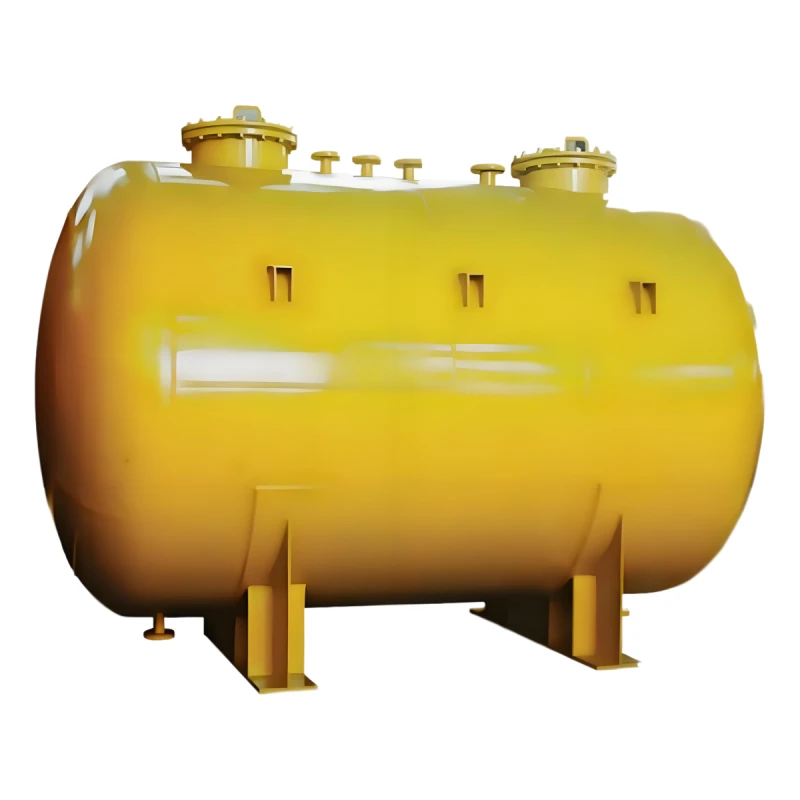

Stainless Steel
Stainless steel is another type of steel used in above ground fuel tank manufacturing. It contains chromium, which gives it excellent corrosion resistance properties. Stainless steel tanks are ideal for storing fuels that are more corrosive, such as ethanol - blended gasoline or biodiesel.
The main advantage of stainless steel tanks is their long - term durability. They require less maintenance compared to carbon steel tanks because they are less likely to corrode. However, stainless steel is more expensive than carbon steel, which can make the initial investment higher.
Fiberglass
Fiberglass is a composite material made of glass fibers and a resin matrix. It is lightweight, corrosion - resistant, and non - conductive, which makes it a popular choice for above ground fuel tanks, especially in applications where weight and corrosion are major concerns.
One of the key advantages of fiberglass tanks is their resistance to rust and corrosion. They can be used to store a wide range of fuels, including gasoline, diesel, and kerosene, without the risk of rusting or corroding. Fiberglass tanks are also relatively easy to install and can be transported more easily than steel tanks due to their lighter weight.
However, fiberglass tanks have some limitations. They are not as strong as steel tanks and may be more susceptible to damage from impact or extreme temperatures. They also require proper installation and support to ensure their long - term performance.
Polyethylene
Polyethylene is a type of plastic that is commonly used to make above ground fuel tanks. It is a lightweight, corrosion - resistant, and cost - effective material. Polyethylene tanks are available in various sizes and shapes, and they can be used for both residential and commercial fuel storage.
One of the advantages of polyethylene tanks is their flexibility. They can be molded into different shapes, which allows for more efficient use of space. They are also resistant to many chemicals, making them suitable for storing a variety of fuels.
However, polyethylene tanks have some drawbacks. They are not as strong as steel or fiberglass tanks and may be more prone to damage from UV radiation or physical impact. They also have a lower melting point compared to other materials, which means they may not be suitable for high - temperature environments.
Aluminum
Aluminum is a lightweight and corrosion - resistant metal that is sometimes used in above ground fuel tank manufacturing. It has a high strength - to - weight ratio, which makes it suitable for applications where weight is a concern, such as in mobile fuel storage units.
Aluminum tanks are resistant to corrosion, especially in environments where there is a low risk of exposure to certain chemicals. They are also relatively easy to fabricate and can be customized to meet specific customer needs.
However, aluminum is more expensive than carbon steel, and it may not be as suitable for storing fuels that are highly corrosive. Additionally, aluminum tanks require special handling during installation to prevent damage to the surface.
Comparison of Materials
When choosing the material for an above ground fuel tank, several factors need to be considered, including the type of fuel to be stored, the location of the tank, the expected lifespan of the tank, and the budget.
| Material | Advantages | Disadvantages |
|---|---|---|
| Carbon Steel | Strong, customizable, cost - effective | Prone to corrosion, requires coating |
| Stainless Steel | Excellent corrosion resistance, long - term durability | High initial cost |
| Fiberglass | Lightweight, corrosion - resistant, non - conductive | Not as strong as steel, susceptible to impact |
| Polyethylene | Lightweight, flexible, cost - effective | Not as strong, prone to UV and impact damage |
| Aluminum | Lightweight, corrosion - resistant, high strength - to - weight ratio | Expensive, not suitable for highly corrosive fuels |
Our Offerings
As a supplier of above ground fuel tanks, we offer a wide range of tanks made from different materials to meet the diverse needs of our customers. Whether you need a Above Ground Diesel Tank for your industrial facility, an Above Ground Gasoline Fuel Tank for your gas station, or an Above Ground Diesel Fuel Tank for your agricultural operation, we have the right solution for you.
We work closely with our customers to understand their specific requirements and recommend the most suitable tank material and design. Our experienced team of engineers and technicians ensures that all our tanks are manufactured to the highest quality standards and comply with relevant industry regulations.
Contact Us for Procurement
If you are in the market for an above ground fuel tank, we invite you to contact us for a detailed discussion. Our team of experts will be happy to answer your questions, provide you with a quote, and guide you through the procurement process. We are committed to providing you with the best - quality fuel tanks at competitive prices and excellent customer service.
References
- "Fuel Storage Tank Materials and Their Properties" - Journal of Petroleum Engineering
- "Corrosion Prevention in Above Ground Fuel Tanks" - International Journal of Corrosion Science and Engineering
- "Advances in Composite Materials for Fuel Tank Applications" - Composite Materials Research Journal