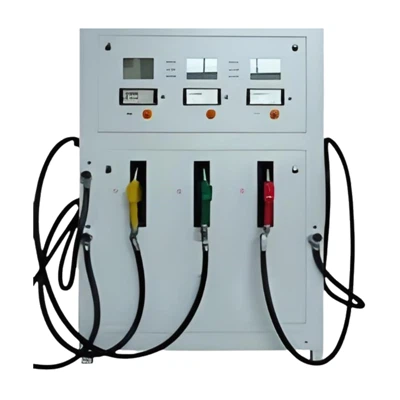
When it comes to storing fuel in hot climates, self-bunded fuel tanks offer a reliable solution. As a self-bunded fuel tank supplier, I've seen firsthand how these tanks can be essential for businesses and individuals alike. But using them in hot climates isn't without its challenges. Here are some special considerations that you need to keep in mind.
Temperature and Fuel Expansion
One of the most obvious issues in hot climates is the increase in temperature. Fuel expands when it gets hot, and if your self-bunded fuel tank isn't designed to handle this expansion, it can lead to some serious problems. For instance, if the tank is filled to the brim on a cool morning, the expanding fuel as the day heats up could cause the tank to overflow.
To avoid this, it's crucial to leave some headspace in the tank. A good rule of thumb is to fill the tank to about 90% of its capacity. This extra space allows the fuel to expand without causing an overflow. Also, make sure your tank is equipped with a proper venting system. A vent helps to release any excess pressure that builds up inside the tank due to the expanding fuel.
Material Degradation
The high temperatures in hot climates can also accelerate the degradation of the materials used in self-bunded fuel tanks. Most tanks are made of steel or polyethylene, and both materials can be affected by heat.
Steel tanks can rust more quickly in hot and humid conditions. The heat speeds up the oxidation process, which can lead to corrosion. To combat this, make sure your steel tank is coated with a high-quality anti-corrosion paint. Regular inspections are also necessary to catch any signs of rust early.
Polyethylene tanks, on the other hand, can become brittle over time when exposed to extreme heat. UV rays from the sun can also cause the plastic to break down. To protect polyethylene tanks, you can use a UV-resistant cover. Additionally, ensure that the tank is installed in a shaded area whenever possible.
Vapor Emissions
In hot weather, fuel evaporation increases, leading to higher vapor emissions. These emissions can be not only a waste of fuel but also a potential environmental hazard. Vapors from gasoline and diesel are volatile organic compounds (VOCs), which contribute to air pollution and can be harmful to human health.
To reduce vapor emissions, consider using a tank with a vapor recovery system. This system captures the fuel vapors that would otherwise be released into the atmosphere and returns them to the tank. Some self-bunded fuel tanks come with built-in vapor recovery features. If yours doesn't, you can install an aftermarket vapor recovery unit.
Fire and Explosion Risks
The combination of high temperatures, fuel vapors, and potential ignition sources makes fire and explosion a significant concern in hot climates. Fuel vapors are highly flammable, and even a small spark can set them off.
To minimize the risk of fire and explosion, ensure that your self-bunded fuel tank is installed in a well-ventilated area. Keep the area around the tank clear of any potential ignition sources, such as open flames, smoking materials, and electrical equipment that could spark. Additionally, it's a good idea to have a fire suppression system in place, such as a fire extinguisher or a sprinkler system.
Maintenance and Inspections
Regular maintenance and inspections are even more important in hot climates. The extreme conditions can put additional stress on the tank and its components, increasing the likelihood of problems.


Inspect the tank and its fittings regularly for any signs of damage or wear. Check the seals, gaskets, and valves to ensure they are in good condition. Look for any leaks or signs of corrosion. If you notice any issues, address them immediately to prevent further damage.
Also, make sure to follow the manufacturer's recommended maintenance schedule. This may include tasks such as cleaning the tank, checking the fuel level sensors, and replacing filters.
Choosing the Right Tank
When selecting a self-bunded fuel tank for a hot climate, there are a few factors to consider. First, choose a tank that is designed to withstand high temperatures. Look for tanks that are made from materials that have good heat resistance, such as high-density polyethylene or coated steel.
Second, consider the size of the tank. A larger tank may be more suitable for areas with high fuel demand, but it can also be more difficult to maintain and inspect. Make sure the tank is the right size for your needs.
Finally, look for a tank that has additional features for hot climates, such as a vapor recovery system, UV protection, and a well-designed venting system.
Our Products
We offer a wide range of self-bunded fuel tanks that are suitable for hot climates. Our Self Bunded Petrol Fuel Tank is designed to store petrol safely and efficiently. It comes with a double-wall construction for added protection and a venting system to prevent pressure build-up.
Our Self Bunded Diesel Fuel Tank is built to handle the unique requirements of diesel fuel. It has a corrosion-resistant coating to protect against rust and a vapor recovery system to reduce emissions.
For those who need to store gasoline, our Self Bunded Gasoline Tank is a great option. It's made from high-quality materials and has all the necessary safety features.
We also have Self Bunded Petrol Tank and Self Bunded Diesel Tank options available. These tanks are designed with the hot climate in mind and are perfect for businesses and individuals in need of reliable fuel storage.
Get in Touch
If you're in the market for a self-bunded fuel tank for a hot climate, we're here to help. Our team of experts can answer any questions you may have and help you choose the right tank for your needs. Contact us today to start the conversation and get a quote for your fuel storage solution.
References
- American Petroleum Institute (API). (Year). API Standard 653, Tank Inspection, Repair, Alteration, and Reconstruction.
- National Fire Protection Association (NFPA). (Year). NFPA 30, Flammable and Combustible Liquids Code.
- Environmental Protection Agency (EPA). (Year). Regulations on Volatile Organic Compound (VOC) Emissions.