

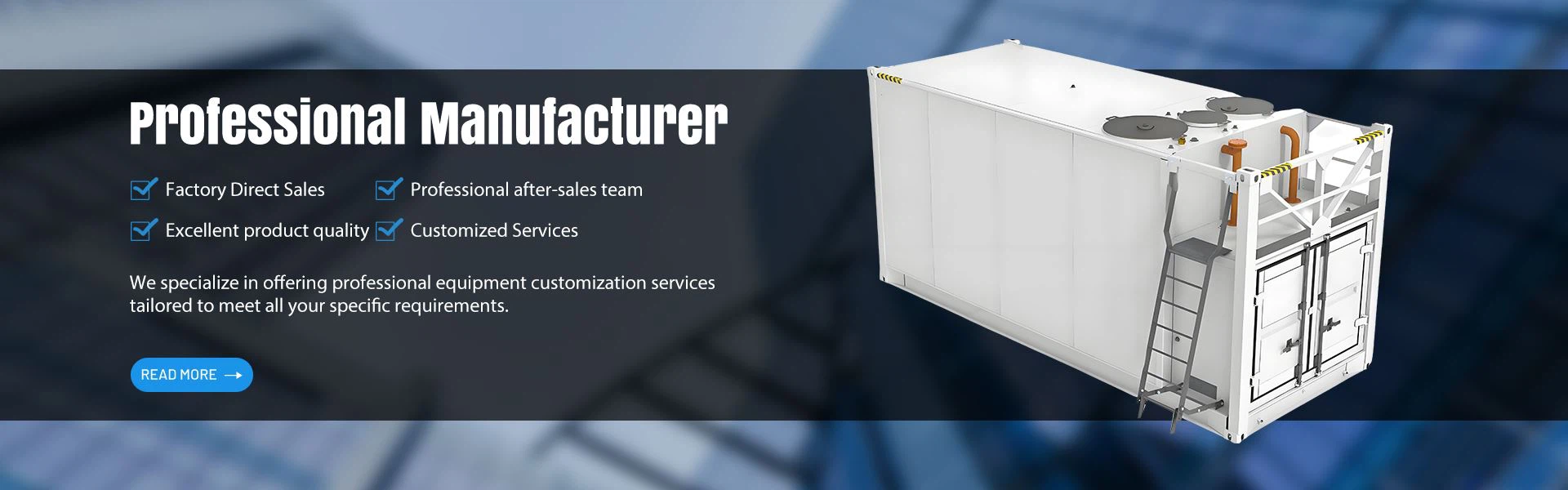
The maintenance of ISO tank containers mainly includes three aspects: cleaning, inspection and maintenance.
Cleaning
Pretreatment: Before starting cleaning, close all inlet and outlet valves and empty the remaining cargo in the box to ensure safety.
High-pressure cleaning: Use a high-pressure water gun or pneumatic cleaning equipment to rinse the inner wall of the tank, thoroughly remove the attached dirt and residual substances, and pay special attention to cleaning the top and bottom of the tank.
Chemical cleaning: Use a suitable detergent or solvent for chemical cleaning to remove dirt that cannot pass through high-pressure water or air to ensure that the tank is clean.
Flushing: Rinse the chemical solvent with clean water to ensure that there is no residue in the tank.
Inspection and maintenance
Regular inspection: Regularly check whether there is corrosion, damage or deformation on the outside of the tank, and check whether the rubber seal, valve and pipe are leaking or worn.
Repair and replacement: If any problems are found, repair or replace the damaged parts in time to ensure that all valves, pipes and connectors are reliably sealed.
Maintenance: Before use, check and maintain all mechanical and electronic equipment, such as leak detectors, pressure sensors, etc., according to the requirements of the operating manual.
Maintenance: The protective coating may be damaged and corroded by the cargo and needs to be inspected at least every two years and re-coated if necessary.
Storage and Transportation Storage: When the tank is not in use, it should be kept dry and out of direct sunlight to prevent corrosion and damage. Transport: During transportation, all safety regulations and legal requirements should be followed to ensure that the tank is securely fixed, valves are closed, and pressure relief devices are working properly.


